Israel Faces New Era of Diminishing U.S. Support Following Election
Recent developments in U.S.-Israel relations signal a potential shift in the dynamics of their longstanding alliance. Following a contentious election cycle in the United States that saw voters decisively reject former President Donald Trump, Israeli Prime Minister Benjamin Netanyahu finds himself navigating a new political landscape that may challenge the traditionally robust support Israel has enjoyed from Washington.
In the aftermath of the election, which resulted in a Congress controlled by the Democratic Party, there are indications that American attitudes toward Israel may be changing. The Democratic leadership has expressed a desire for a more critical approach to various key issues, including Iran’s nuclear ambitions, the ongoing situation in Gaza, and the violence associated with Israeli settlers in the occupied West Bank. This shift in sentiment reflects a broader trend among some segments of the American electorate, who are increasingly vocal about their concerns regarding human rights and international law as they pertain to Israel’s policies.
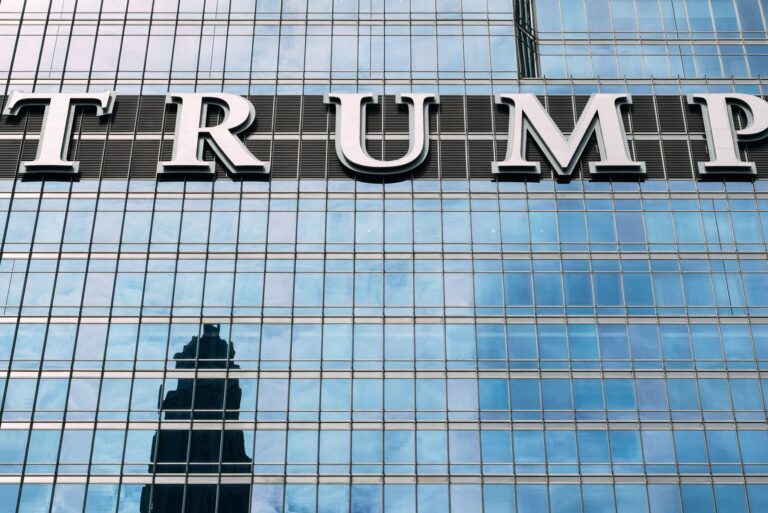
Netanyahu’s previous alliance with Trump was marked by mutual admiration, with both leaders often showcasing their partnership through bold campaign images and declarations. However, those visuals no longer resonate in the current political climate, where a Democratic Congress is likely to advocate for policies that prioritize diplomatic engagement and accountability. The election results have highlighted a growing rift between Netanyahu’s government and the progressive wing of the Democratic Party, which has been particularly vocal in its criticism of Israeli actions in the Palestinian territories.
As Netanyahu embarks on his new term, he faces the challenge of reconciling his government’s policies with a U.S. administration that may not be as forgiving of aggressive tactics in the region. The implications of this new reality could be significant for Israel, particularly in areas such as military aid, diplomatic support, and international cooperation on security matters.
Moreover, the shifting political currents in the U.S. coincide with rising tensions in the Middle East. Conflicts involving Iran and ongoing violence in Gaza are pressing concerns that require careful navigation. The potential for a more assertive U.S. stance on these issues may compel the Israeli leadership to reassess its strategies and consider more comprehensive approaches to peace and security.
As both nations move forward, the future of U.S.-Israeli relations remains uncertain. Observers will be closely monitoring how the Israeli government adapts to the new political realities in Washington and whether this will lead to significant policy changes in the region. For Arab-American communities, the outcome of these developments is particularly significant, as they shape the broader context of U.S. engagement in Middle Eastern affairs and influence the lives of those living in areas affected by the ongoing conflict.