West Bank’s Displaced Palestinians Hold Little Hope for Post-Netanyahu Era
In the wake of significant political changes in Israel, many displaced Palestinians from the West Bank, particularly those who were forced out of the Tulkarem refugee camp, find themselves grappling with a bleak future. Adel Darsieh, one of the many who fled last year amid escalating violence, reflects on his dwindling hopes of returning home. The promise of safety and stability feels increasingly distant as political dynamics shift.
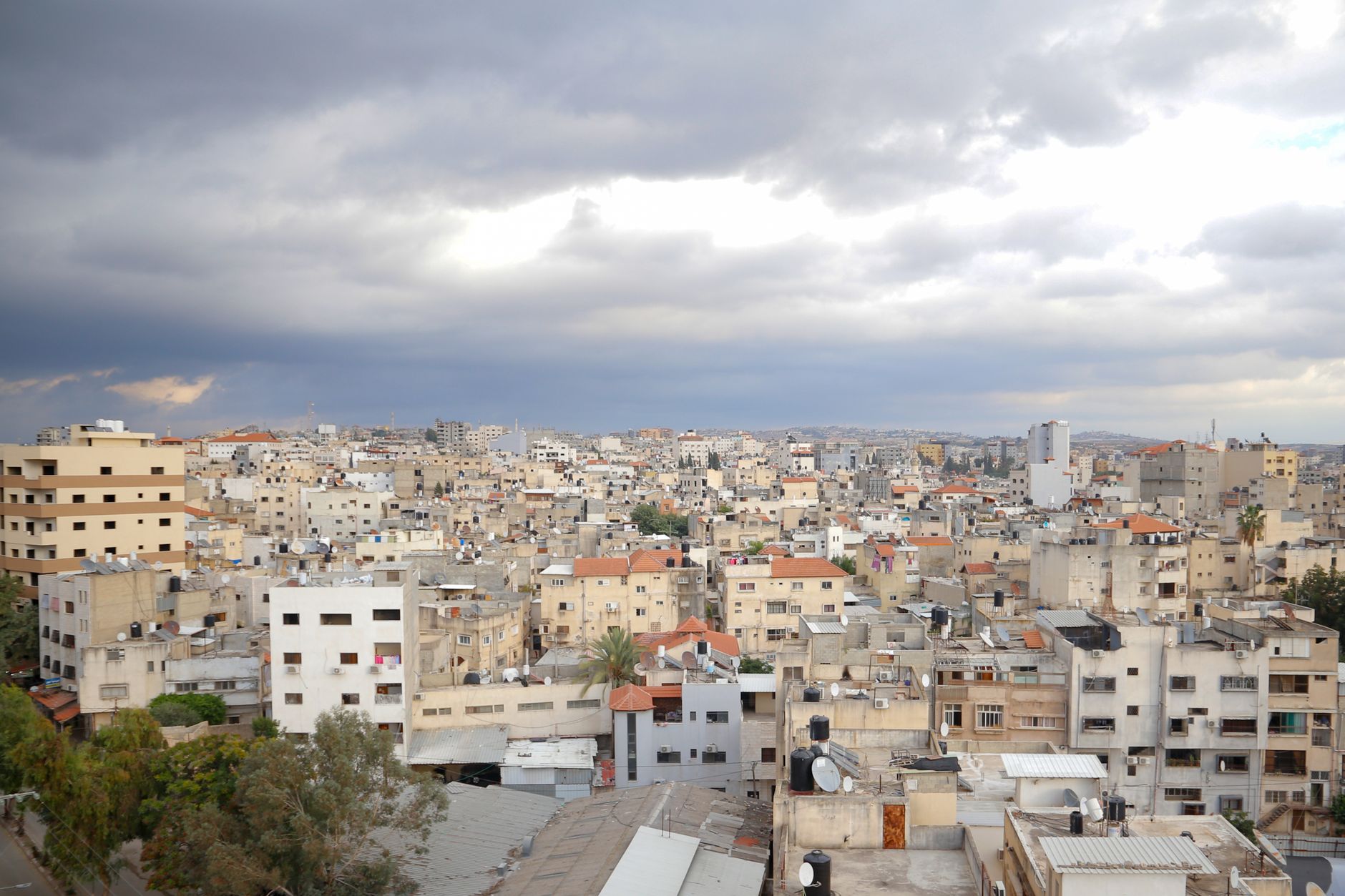
The Tulkarem refugee camp, located near the northern city of Jenin, has been a focal point for militant activity, leading Israeli forces to conduct operations that displaced thousands. Darsieh, who was uprooted from his community during these military actions, initially clung to the hope of returning to his home. However, he now faces the harsh reality that with Prime Minister Benjamin Netanyahu’s firm stance against the return of displaced individuals, those hopes are rapidly fading.
Netanyahu, who has been a contentious figure in Israeli politics, recently faced a setback in the general elections, which saw his party lose several seats. In light of these electoral challenges, he is now under pressure to maintain his political power while also addressing the complex issues surrounding security and displacement in the region. The appointment of former general Gadi Eisenkot to form a new government introduces further uncertainty, leaving many Palestinians questioning what a potential shift in leadership might mean for their futures.
The environment in the West Bank remains tense. Displaced individuals like Darsieh express a sense of despair, feeling that their plight is often overlooked in the broader political discourse. The fear of losing their homes and the deep-rooted desire for peace and stability weigh heavily on their minds. Residents are not only concerned about their immediate safety but also about the long-term implications for their families and communities.
As discussions about a new government unfold, many displaced Palestinians are left pondering whether any political changes will lead to tangible improvements in their lives. For them, the resolution of their status as displaced individuals is not just a political issue but a deeply personal one. The hopes for a return to their homes or a peaceful resolution to the ongoing conflict remain largely unaddressed in the political arena.
With the future uncertain, many in the West Bank continue to navigate the complexities of their situation, seeking ways to advocate for their rights and ensure that their voices are heard amidst the shifting political landscape. The struggle for recognition and the right to return is a poignant reminder of the enduring conflict that defines the region, leaving many to wonder if a brighter future is truly attainable.