Oil Prices Decline Amid Tensions Between the US and Iran
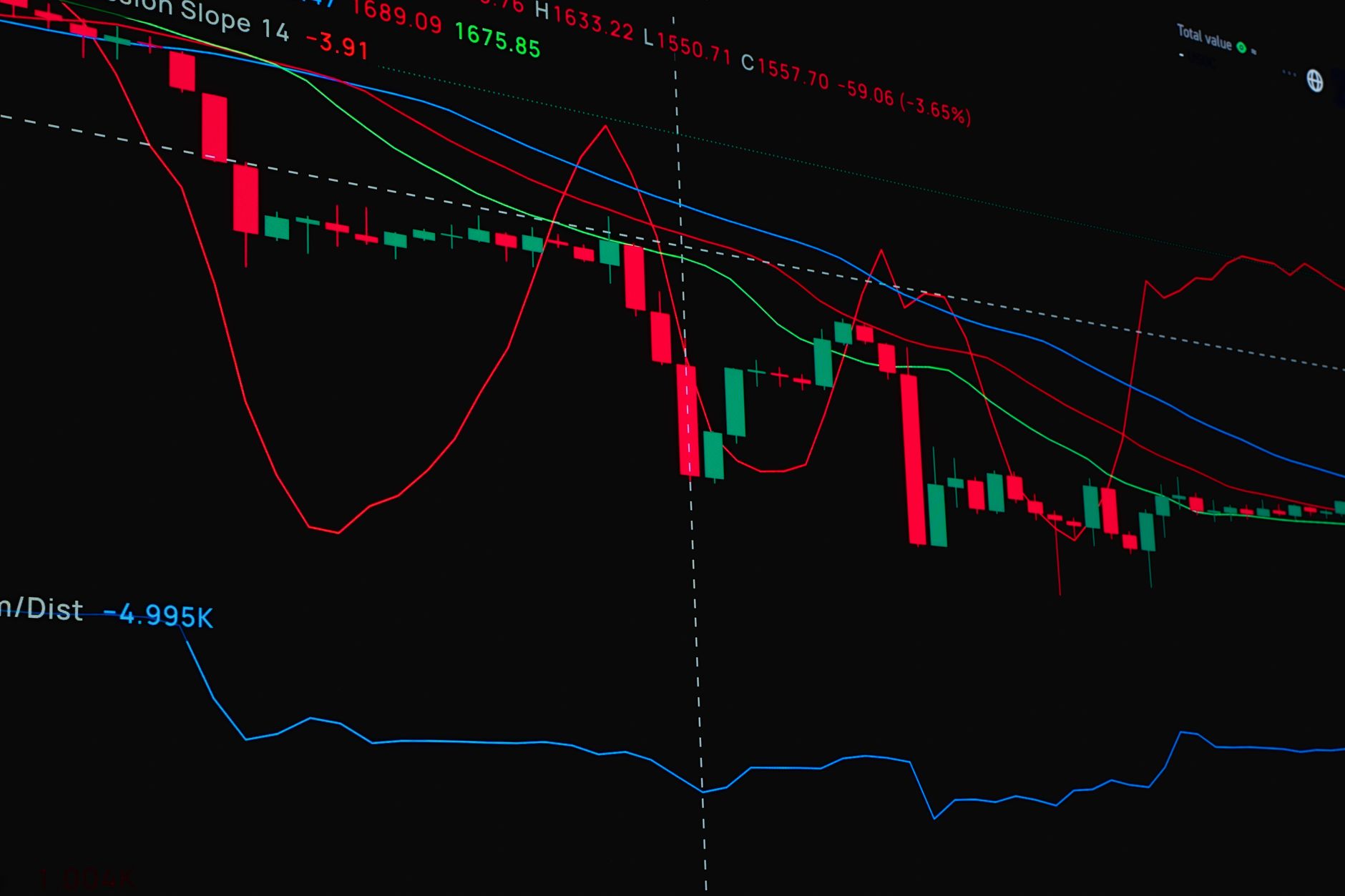
Oil prices are experiencing a downward trend, marking a potential third consecutive week of losses. As of Friday, Brent crude has slipped below $91 per barrel, reflecting a continued decline throughout November. This drop comes amidst escalating tensions between the United States and Iran, with both nations engaged in a series of military strikes.
Market analysts attribute the recent fall in oil prices to a combination of factors, including geopolitical instability and fluctuating demand. The ongoing conflict has led to heightened concerns about supply disruptions in the Middle East, a critical region for global oil production. Despite this, traders appear to be reacting to a broader sentiment of caution regarding future demand, particularly as the market assesses the impact of potential economic slowdowns.
In the latest developments, Iran has been actively testing the limits of US sanctions by facilitating the transfer of crude oil. This maneuver underscores Tehran’s resilience in navigating the pressures imposed by the US, which has sought to restrict Iran’s oil exports significantly. The Iranian government remains committed to maintaining its oil production, emphasizing its role as a key player in global energy markets.
The interplay between US sanctions and Iran’s oil strategy is closely monitored by industry observers. Analysts suggest that any significant increase in Iranian oil exports could further complicate the current market dynamics, potentially leading to a surplus that would exert additional downward pressure on prices. Conversely, if tensions escalate further, there could be a risk of supply disruptions that might drive prices higher.
In addition to geopolitical factors, market participants are also considering economic indicators, particularly in major economies like the United States and China. Recent reports suggest that economic growth may be slowing in these regions, which could result in decreased demand for oil. This scenario is compounded by the ongoing global transition towards renewable energy sources, which is reshaping the long-term outlook for fossil fuels.
As the situation develops, traders are advised to remain vigilant. The interplay of geopolitical tensions, supply chain dynamics, and economic indicators will be crucial in determining the direction of oil prices in the coming weeks. With the potential for further conflict in the Middle East and the ongoing adjustments to global energy consumption patterns, the oil market remains in a state of flux, prompting a careful watch from investors and industry stakeholders alike.
Overall, the current landscape for oil prices is marked by uncertainty, with a delicate balance between geopolitical developments and economic realities shaping the market’s trajectory.