US Imposes Sanctions on Numerous Individuals and Entities Tied to Iran’s Shadow Banking Operations
In a significant escalation of economic measures against Iran, the U.S. government has announced a new round of sanctions targeting a wide array of individuals and organizations linked to the country’s shadow banking systems. This action, revealed by the Treasury Department, aims to further isolate Iran from the international financial landscape and to undermine its ability to facilitate illicit financial activities.
The sanctions encompass dozens of entities and individuals, reflecting ongoing concerns about Iran’s financial networks that operate outside of conventional banking regulations. The U.S. Treasury’s Financial Crimes Enforcement Network (FinCEN) has also published a report highlighting its findings that suggest nearly $15 billion in financial transactions may have been conducted between January 2025 and August 2026, which are believed to be associated with Iran’s shadow banking operations.
The move underscores the U.S. administration’s commitment to countering what it perceives as Iran’s destabilizing influence in the region, as well as its continued efforts to enforce sanctions aimed at curbing the nation’s nuclear ambitions and suppressing its support for militant groups. By targeting the financial infrastructure that enables such activities, the U.S. hopes to exert pressure on Iran’s economy and limit its capacity to engage in actions deemed hostile by Washington.
Experts suggest that the shadow banking networks in question often operate through a complex web of intermediaries and offshore accounts, making them difficult to track and regulate. These networks provide Iran with an avenue to bypass traditional banking systems, particularly in the face of existing sanctions that have already restricted its access to international financial markets.
The sanctions are likely to have far-reaching implications not only for those directly involved but also for international financial institutions that may inadvertently interact with these entities. The U.S. government has urged financial institutions worldwide to exercise heightened vigilance when dealing with Iranian-related transactions to avoid potential penalties.
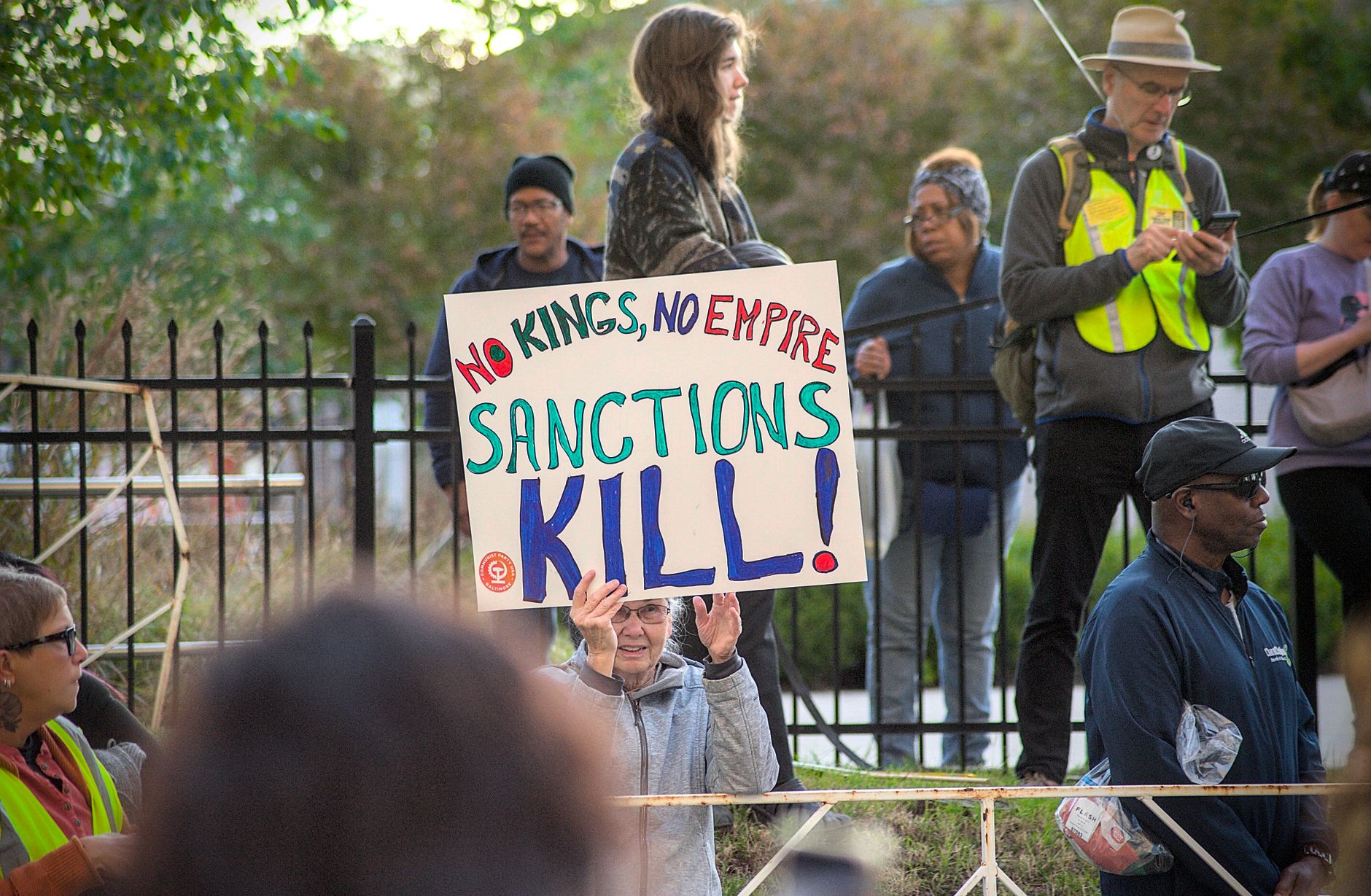
While the U.S. maintains that these measures are critical for national security and global stability, the Iranian government has consistently condemned such sanctions as a form of economic warfare. Iranian officials argue that these actions disproportionately affect ordinary citizens and hinder the country’s economic development.
As the geopolitical landscape continues to evolve, the effectiveness of these sanctions in achieving their intended goals remains a subject of debate among analysts. Observers note that while the sanctions may exert short-term pressure on Iran, the long-term impact on the country’s economic resilience and its ability to engage in global trade remains uncertain.
The U.S. sanctions reflect a broader strategy of isolating Iran, but the response from Tehran and the potential ramifications for international relations in the region will be closely monitored in the coming months.