Ali Khamenei: The Iron-Fisted Leader of Iran’s Revolutionary Regime
Ali Khamenei, the Supreme Leader of Iran, was a figure of significant influence and authority in the Islamic Republic for over thirty-five years. Known for his unwavering stance against dissent and his confrontational approach towards the United States, Khamenei played a pivotal role in navigating Iran through a complex political landscape dominated by various factions.
Khamenei ascended to the position of Supreme Leader in 1989 following the death of Ayatollah Ruhollah Khomeini, the founder of the Islamic Republic. Throughout his tenure, he maintained a tight grip on power, employing a mix of political maneuvering and repression to silence opposition. His regime was characterized by a lack of tolerance for dissent, with numerous reports of crackdowns on protests and political activism. Under Khamenei’s leadership, the Iranian government often resorted to heavy-handed measures to suppress voices calling for reform and change.
In addition to domestic suppression, Khamenei was known for his confrontational foreign policy, particularly towards the United States and its allies. He often framed the U.S. as a primary adversary, which resonated with many in Iran who viewed Western influence with suspicion. This stance helped solidify his position at home, as it was used to rally public support around the regime during times of crisis.
Khamenei’s rule was also marked by complex intra-party dynamics within the Iranian government. He skillfully balanced the interests of various political factions, ensuring that no single group could dominate the political landscape. This balancing act allowed him to maintain control over the country while navigating through periods of political turmoil and economic challenges.
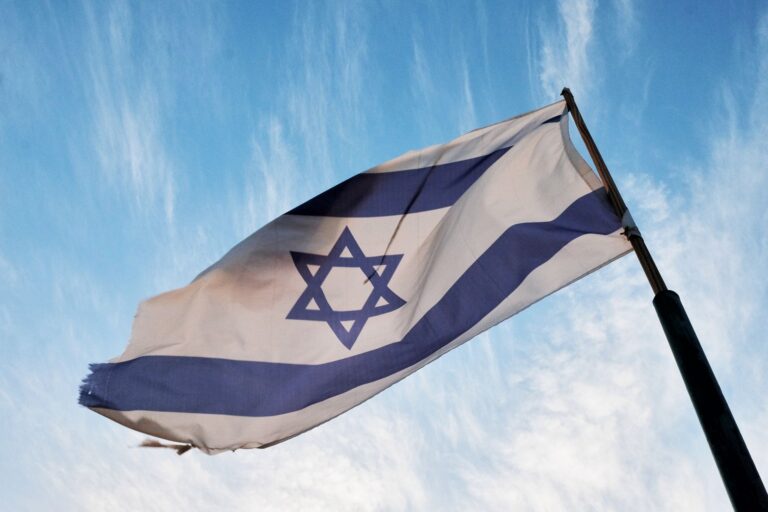
However, Khamenei’s reign came to a sudden and violent end on February 28, when he was killed in an Israeli airstrike, which was reportedly based on intelligence from the United States. The strike occurred on the first day of a five-week military conflict, marking a significant turning point in Iran’s political landscape and raising concerns about the future direction of the country.
The impact of Khamenei’s death is likely to reverberate across Iran and the broader Middle East. As the country grapples with the loss of its long-time leader, questions arise regarding who will succeed him and how this shift in power will affect Iran’s domestic policies and international relations.
As the world watches the unfolding events in Iran, the legacy of Ali Khamenei as a ruthless revolutionary leader who shaped the course of the nation for decades remains firmly etched in history. The future of Iran now hangs in a precarious balance, with potential implications for regional stability and international diplomacy.