Tensions Peak in Iran Amidst Diplomatic Efforts and Celebrations
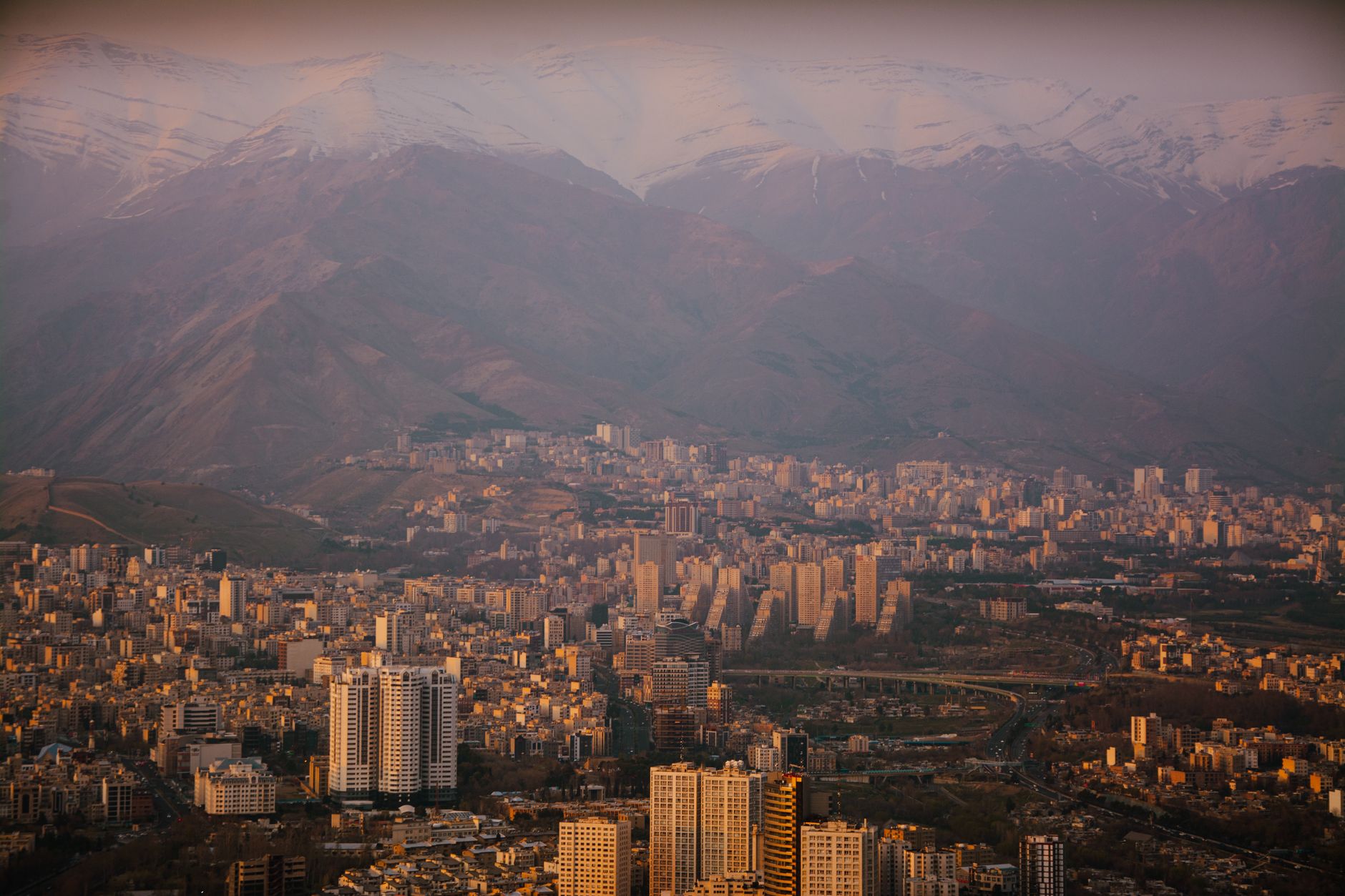
As Tehran residents prepared for the working week during the Islamic holy month of Ramadan, a palpable sense of anxiety loomed over the city. The Iranian New Year celebrations were approaching, yet the backdrop of intensified diplomatic negotiations aimed at preventing conflict with the United States and Israel added an air of uncertainty.
On February 28, the atmosphere in the heart of Tehran was particularly charged. The area surrounding the main government complex, located just off Pasteur Street, was bustling with activity. This complex is not only a focal point for Iran’s governance but also the residence and offices of the then-supreme leader, Ali Khamenei. The presence of security personnel and heightened vigilance indicated that tensions were running high.
In the days leading up to this pivotal moment, Iran had been under significant international scrutiny, especially regarding its nuclear program and its military activities in the region. The Iranian leadership had been engaged in intricate diplomatic maneuvers, seeking to alleviate fears of an impending military confrontation while trying to maintain a strong stance against perceived threats.
Amid this complex political landscape, the strike that ultimately claimed Khamenei’s life unfolded. Early reports indicated that the operation was meticulously planned, aiming to target the leader during a period of increased public visibility and governmental activity. Analysts suggest that the timing was crucial, as Khamenei’s prominence had been particularly pronounced in the lead-up to this moment, with his government facing both internal dissent and external pressures.
The repercussions of this strike are expected to reverberate throughout the region. Observers note that Khamenei’s death could significantly alter the power dynamics within Iran and potentially escalate tensions with the United States and Israel, who have long viewed his leadership as a primary obstacle to their interests in the Middle East.
As the Iranian populace grapples with the reality of this sudden shift in leadership, many are left wondering about the future of their country. The government has called for unity and calm, urging citizens to refrain from panic. However, with the specter of conflict looming and the uncertainty surrounding the succession of leadership, the path ahead remains fraught with challenges.
In the coming weeks, all eyes will be on Tehran as the government navigates this critical juncture. The potential for both internal strife and external conflict looms large, amidst a backdrop of ongoing diplomatic efforts that may determine the course of Iran’s immediate future. The international community, particularly in the Arab world, will be watching closely to see how these developments unfold and what they might mean for regional stability.