Bahrain and Saudi Arabia Call on Iraqi Diplomats Following Militia Violence
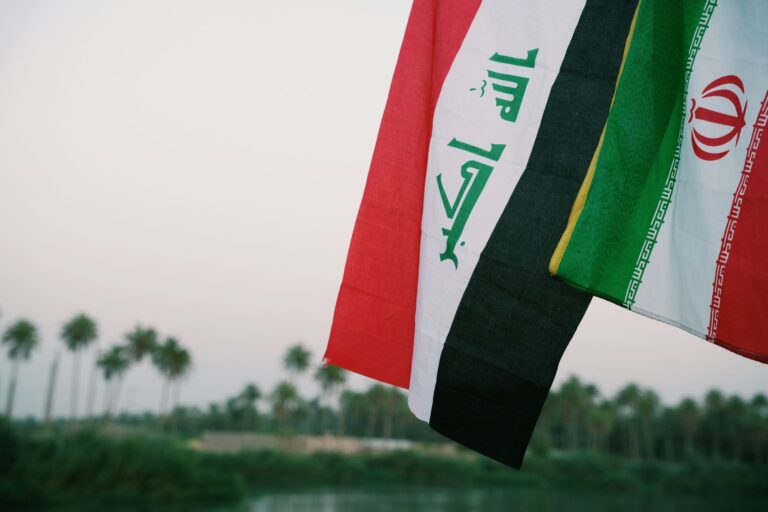
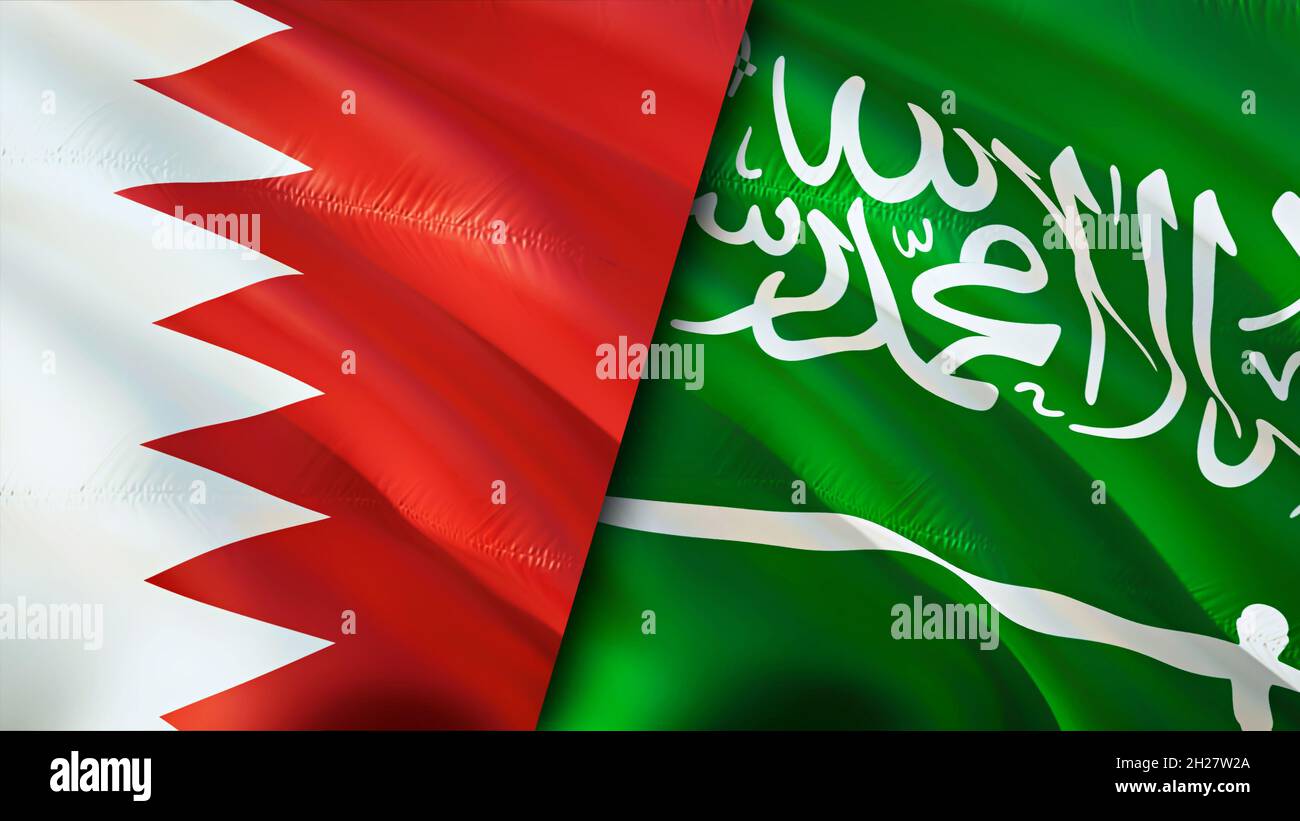
In a significant diplomatic move, both Bahrain and Saudi Arabia have summoned Iraqi diplomats to express their concerns regarding recent violent incidents attributed to Iran-backed militia groups operating within Iraq. This action follows a series of attacks that have raised alarms in the region, prompting responses from several Arab nations, including the United States and Kuwait.
The tensions in the Middle East have been exacerbated by armed groups that many believe are acting under the influence of Iran. These groups have been implicated in a number of attacks that target not only government facilities but also foreign interests in Iraq. The summoning of Iraqi diplomats signifies a growing concern among Gulf states about the stability of Iraq and the potential for these militia activities to spill over into neighboring countries.
Bahrain’s foreign ministry has articulated a strong condemnation of the militia attacks, emphasizing the need for Iraq to take decisive action against these groups to ensure the security of its own territory and that of its regional neighbors. Similarly, Saudi Arabia has reiterated its position, calling for a unified effort to address the threats posed by these armed factions.
The United States has also weighed in, expressing its disapproval of the situation in Iraq and the activities of these militias. U.S. officials have urged the Iraqi government to regain control over its security forces and to curb the influence of non-state actors that have been operating with relative impunity.
Kuwait has echoed these sentiments, highlighting the necessity for Iraq to reinforce its sovereignty and protect its citizens from the violence perpetrated by these groups. The diplomatic dialogues initiated by Bahrain and Saudi Arabia may be a precursor to broader discussions aimed at fostering cooperation among Gulf nations in combating regional threats.
As the situation unfolds, it is clear that Iraq’s internal challenges are not only a matter of national security but also a concern for its neighboring countries. The rise of militias aligned with Iran has complicated Iraq’s path toward stability and has raised questions about the effectiveness of the Iraqi government’s ability to maintain law and order.
The international community is closely monitoring developments in Iraq, with the hope that constructive dialogue can lead to a comprehensive approach to addressing the issues posed by these militia groups. Both Bahrain and Saudi Arabia’s actions may signal a shift toward more proactive measures in regional diplomacy, as they seek to safeguard their interests in an increasingly volatile landscape.
As Iraq grapples with these challenges, the response from its neighbors will likely shape the future dynamics of security and cooperation in the Gulf region.