U.S. and Iran Maintain Dialogue Possibility After Tense Islamabad Talks
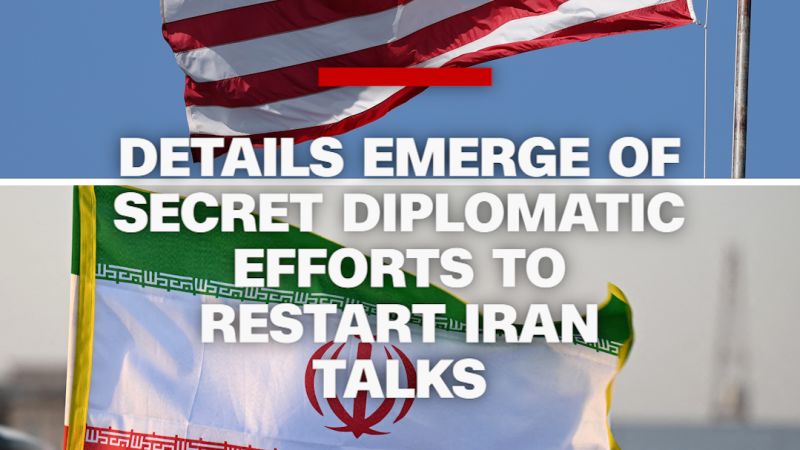
In a significant diplomatic encounter, representatives from the United States and Iran concluded a series of high-stakes discussions in Islamabad, marking the highest-level talks between the two nations in many years. While the negotiations did not yield a definitive breakthrough, sources revealed that both sides remain open to continuing dialogue.
The talks, which took place over a challenging and sleepless night, were characterized by moments of tension as officials from both countries navigated complex issues that have strained their relationship for decades. Despite the lack of a concrete agreement, the atmosphere suggested a willingness to engage further, signaling a cautious optimism about the future of U.S.-Iran relations.
Participants in the discussions included senior diplomats who emphasized the need for continued communication as a way to address longstanding disputes. 11 sources familiar with the negotiations indicated that while no immediate resolutions were reached, the door for future dialogue remains ajar. This sentiment reflects a broader understanding among officials that ongoing engagement is essential in mitigating tensions and fostering stability in the region.
The context of these talks is underscored by the historical backdrop of U.S.-Iran relations, which have been fraught with challenges since the 1979 Iranian Revolution. The two nations have often found themselves at odds over various geopolitical issues, including Iran’s nuclear program, regional conflicts, and sanctions imposed by the U.S.
The Islamabad meeting was seen as a crucial opportunity for both sides to reassess their positions and explore pathways to reduce animosity. Analysts suggest that even the act of coming together represents a potential step forward in a relationship that has often been defined by hostility and suspicion.
While the outcome of the Islamabad discussions may not have met the expectations of some, the prospect of ongoing dialogue could serve as a foundation for future negotiations. Observers note that maintaining open lines of communication between the U.S. and Iran is vital for addressing not only bilateral concerns but also broader regional stability.
As the world watches closely, the next steps taken by both nations will be critical in determining the trajectory of their relationship. The hope remains that through sustained dialogue, a more constructive engagement can emerge, ultimately benefiting not just the two countries, but also the wider Middle Eastern region and beyond.