Southern Yemeni Leader Urges Mobilization Against Houthis Amid Escalating Conflict
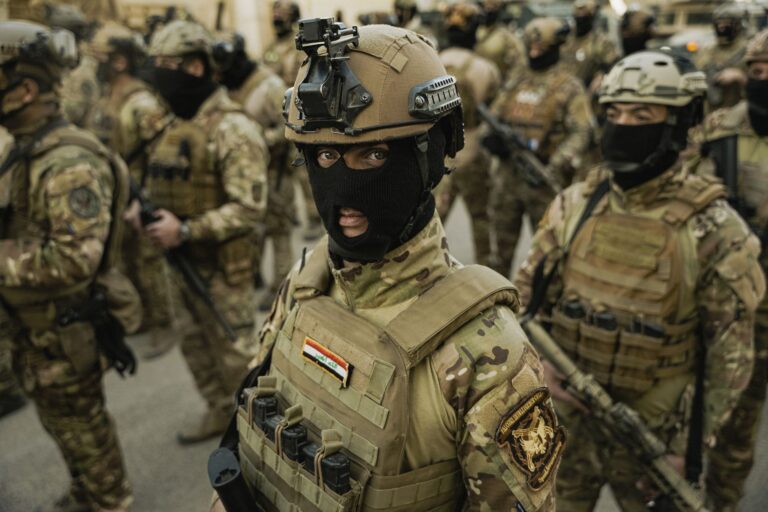
In a recent address, Aidarous al-Zubaidi, the leader of the UAE-supported Southern Transitional Council (STC), called upon the citizens of southern Yemen to rally and take up arms against the Houthi movement, which has intensified its military operations in the region. Al-Zubaidi’s statement reflects the growing tension and complexity of the ongoing conflict in Yemen, particularly as various factions vie for control and influence.
Al-Zubaidi emphasized the necessity for southern Yemenis to unite in their fight for regional autonomy, highlighting the unique cultural and political identity of the south. His call to action comes at a time when the Houthis are reportedly expanding their reach and conducting more aggressive attacks not only within Yemen but also targeting Saudi Arabia, a key player in the conflict. The STC leader condemned these assaults, framing them as a direct threat to both regional stability and national sovereignty.
The backdrop of this mobilization effort is a multifaceted civil war that has ravaged Yemen since 2014, leading to one of the world’s worst humanitarian crises. The STC, which advocates for the independence of southern Yemen, has often found itself at odds with the internationally recognized government of Yemen, which is supported by Saudi Arabia and other Gulf Arab states. The group has been involved in sporadic clashes with both Houthi forces and rival factions loyal to the Yemeni government.
Al-Zubaidi’s appeal for mobilization is also indicative of the increasing frustration among southern Yemenis regarding the political stagnation and ongoing violence that has characterized their lives for nearly a decade. Many in the south feel marginalized and seek to assert their rights and governance over their territories, seeing the STC as a vehicle for achieving greater autonomy.
The conflict has drawn in various regional powers, complicating the dynamics on the ground. Al-Zubaidi’s remarks not only signal a commitment to the STC’s objectives but also serve to galvanize support from local communities who are weary of the relentless fighting and humanitarian devastation. Analysts suggest that this call could lead to escalated confrontations with Houthi forces, as well as potentially further complicating peace efforts in the region.
As Yemen continues to grapple with the repercussions of war, the international community remains watchful of developments in the south, particularly as calls for regional autonomy grow louder. The situation remains fluid, and the implications of Al-Zubaidi’s mobilization efforts could have significant repercussions for the future of Yemen and its people.