Energy Crisis Takes Center Stage as ASEAN Leaders Gather for Summit
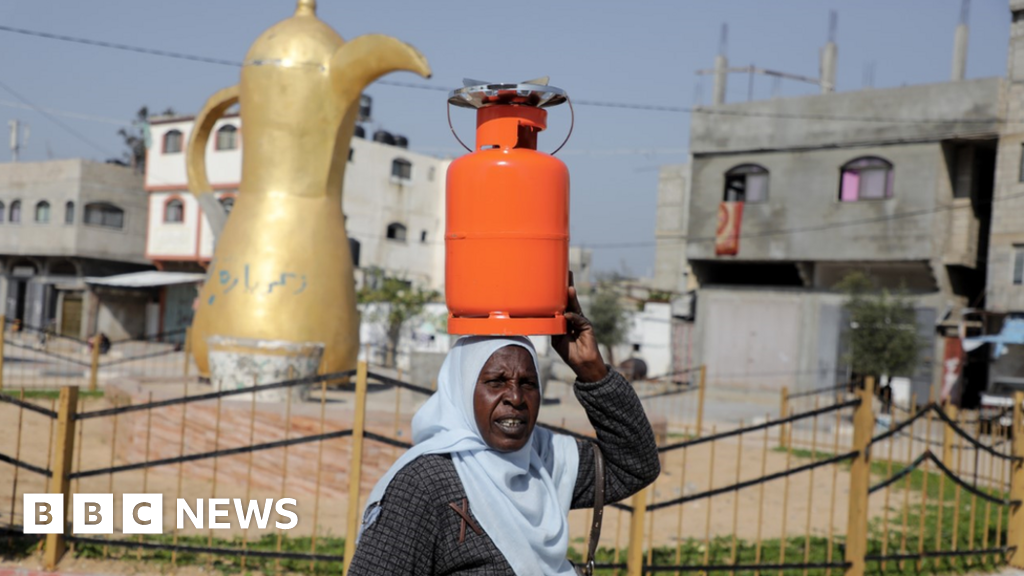
As leaders from the Association of Southeast Asian Nations (ASEAN) convene in Cebu, Philippines, a pressing energy crisis looms large over the agenda. The summit, set against the backdrop of ongoing conflicts in the Middle East, is expected to focus heavily on the implications these tensions have for the region’s economies, particularly those reliant on fuel imports.
Countries within ASEAN, which includes nations like Indonesia, Malaysia, and the Philippines, are grappling with the repercussions of rising energy prices and supply disruptions linked to geopolitical conflicts far beyond their borders. The situation has been exacerbated by recent developments in the Middle East, where instability has led to spikes in oil prices, directly affecting the economic stability of ASEAN member states.
The leaders are anticipated to discuss strategies to mitigate the impact of these external pressures on their economies. With many ASEAN nations relying heavily on imported fuel to support their industries and transportation sectors, the summit will likely explore alternative energy sources and collaborative approaches to enhance energy security within the region.
In addition to addressing energy concerns, the leaders are also expected to touch on broader economic cooperation and resilience strategies. The COVID-19 pandemic has already strained the region’s economies, and the current energy crisis poses an additional challenge that could hinder recovery efforts. ASEAN leaders are likely to emphasize the importance of regional solidarity in tackling these issues and fostering economic stability.
The summit comes at a critical time when global energy markets are in flux. With tensions in the Middle East affecting oil supply chains, ASEAN countries face the dual challenge of rising costs and potential shortages. This situation has prompted some member states to consider diversifying their energy sources, including increasing investments in renewable energy technologies.
Furthermore, discussions may extend to the geopolitical landscape and its effects on trade relations. ASEAN leaders are aware that the energy crisis is not only a local issue but is intertwined with global economic dynamics. As such, they may seek to strengthen partnerships with other countries and regions to secure more stable energy supplies and prices.
As the summit progresses, the focus will remain on finding viable solutions to the energy crisis while reinforcing economic ties among ASEAN members. With the stakes high, leaders are poised to engage in meaningful dialogue that addresses both immediate energy needs and long-term strategies for sustainability and resilience in the face of global challenges.