Generations of Palestinians in Egyptian Village Face Ongoing Struggles
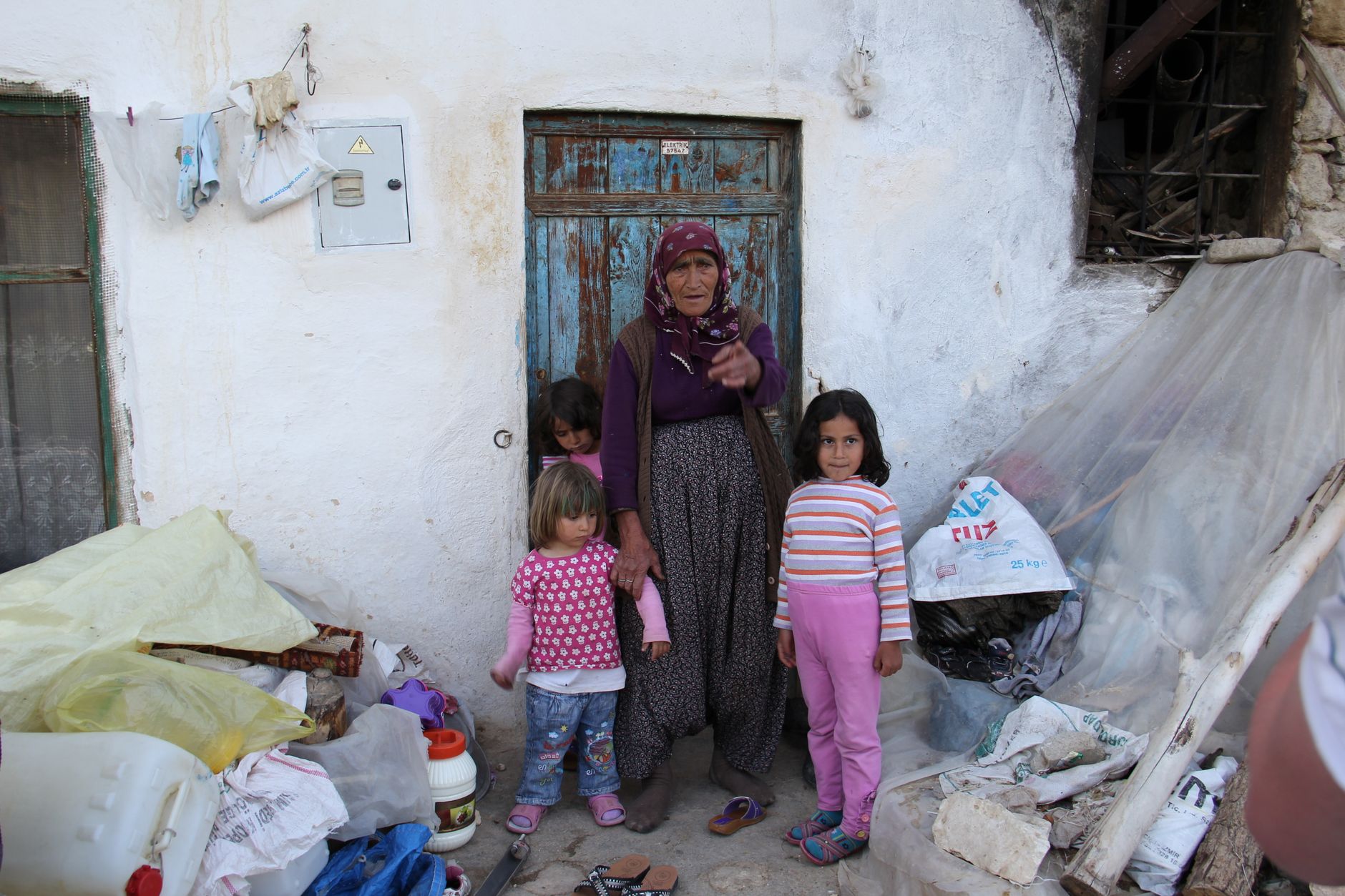
In a small village in Egypt, Shamma Abu Hussein, a woman in her nineties, stands as a poignant symbol of the enduring plight of Palestinians. As one of the few remaining residents who lived in historic Palestine before the upheaval of 1948, she embodies the memories and experiences of generations displaced by conflict. Shamma’s life story reflects the broader struggles faced by her family and countless others who continue to navigate the complexities of their identity and legal status in a foreign land.
Shamma was among the hundreds of thousands of Palestinians who fled or were forcibly removed from their homes during the establishment of the State of Israel. This mass displacement marked the beginning of a long-standing refugee crisis that has affected millions of Palestinians, many of whom now live in various countries, including Egypt. In her village, which serves as a refuge for many of these displaced individuals, Shamma has witnessed her family grow up in a state of legal limbo, struggling with their identity and rights as refugees.
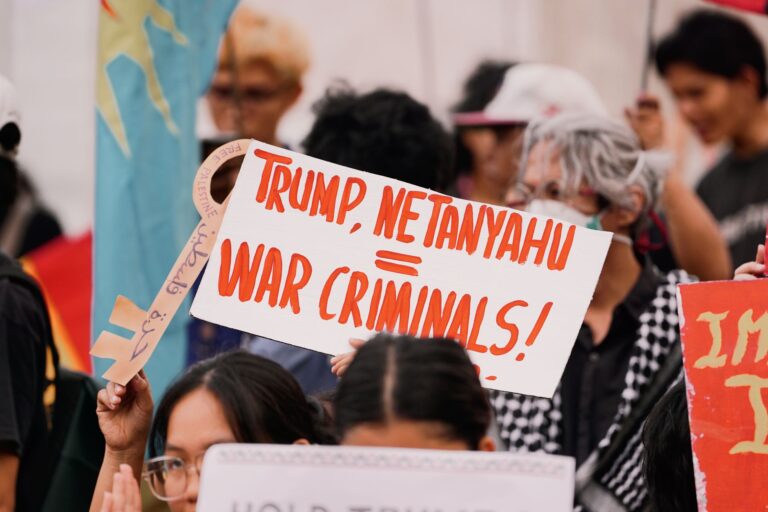
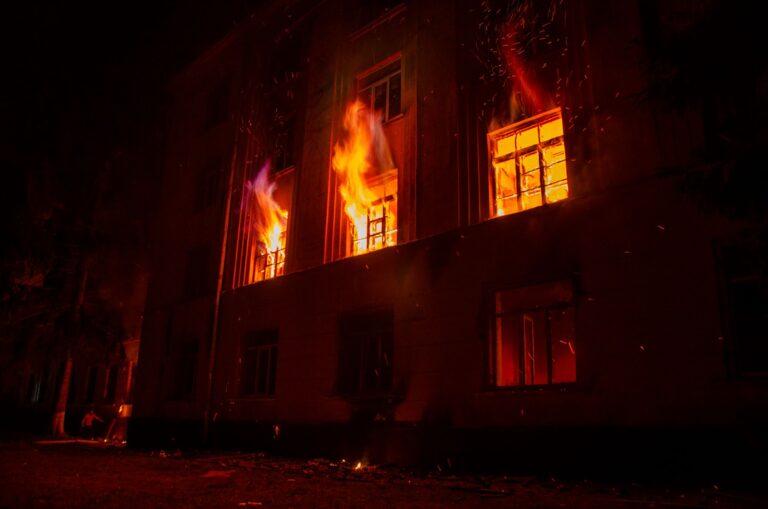
The situation has become increasingly precarious in light of recent events, particularly the ongoing conflict in Gaza. Shamma, like many in her community, fears that current political rhetoric, especially from Israeli officials suggesting the expulsion of Gazans, may signal a repeat of the traumatic events of 1948. Such statements resonate deeply within her village, where memories of displacement remain vivid and painful.
In addition to the political tensions, the daily lives of Palestinians in Egypt are marked by various challenges. Many face restrictions that limit their access to essential services, education, and employment. The sense of uncertainty regarding their future is compounded by the lack of legal recognition and rights, leaving them vulnerable to shifting political landscapes.
Despite these hardships, the community continues to preserve their cultural heritage and identity. Shamma and her neighbors often share stories of their homeland, keeping alive the memories of a life that many of their descendants have never known. This oral tradition serves as a vital connection to their history, fostering resilience and solidarity among families.
As the conflict in Gaza escalates, the plight of Palestinians like Shamma becomes even more pressing. The echoes of history remind the world of the ongoing struggles faced by those who are denied a normal life due to circumstances beyond their control. For Shamma and her community, the hope for a peaceful resolution and recognition of their rights remains a distant yet enduring aspiration. In the face of adversity, they continue to advocate for their existence and dignity, holding onto the hope that future generations will know a life free from fear and insecurity.