Hezbollah Leader Calls for Cancellation of U.S. Talks with Israel
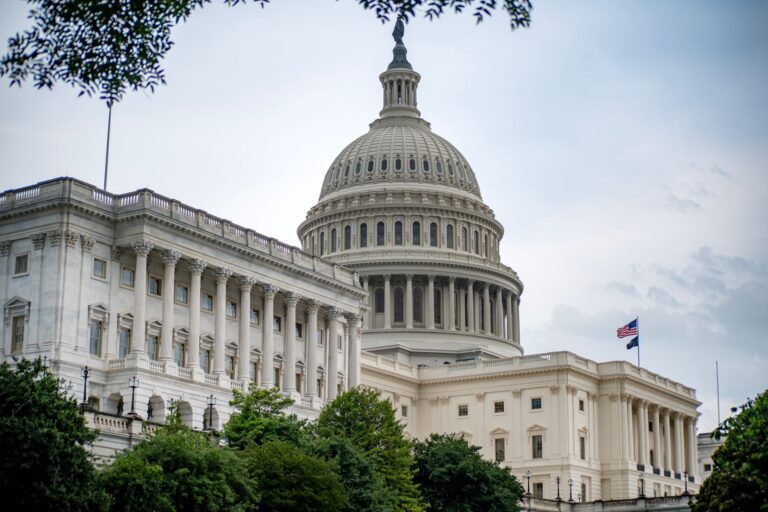
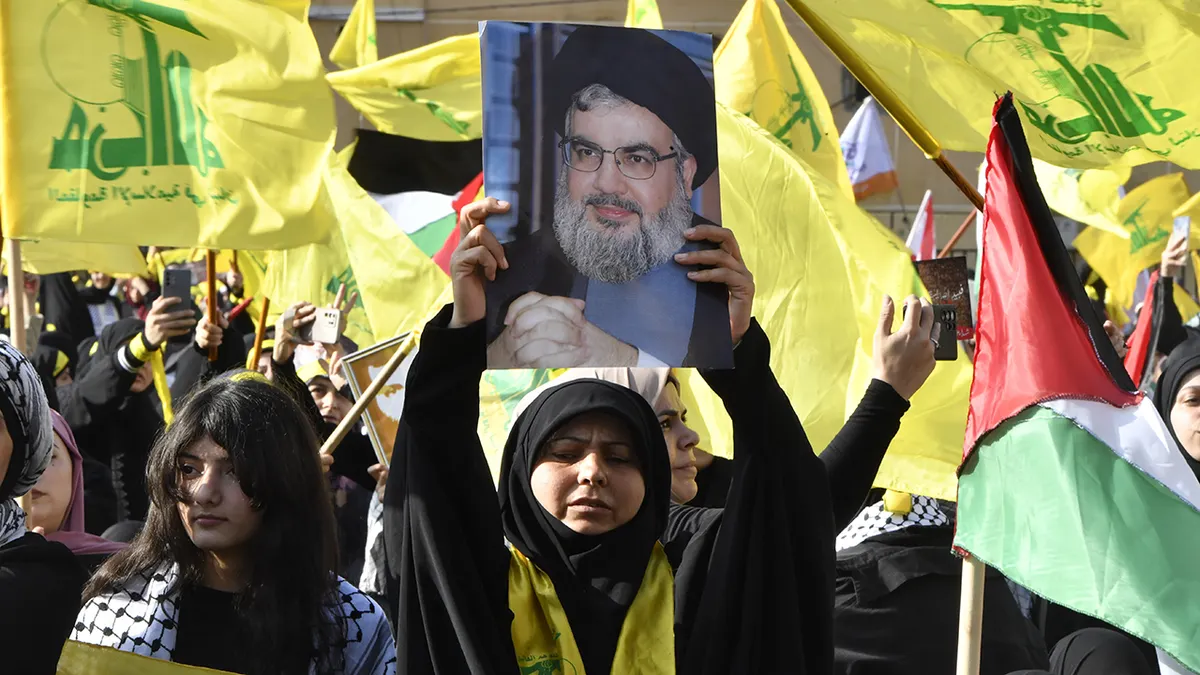
In a recent address, Hezbollah’s deputy leader, Naim Qassem, urged the Lebanese government to withdraw from an upcoming meeting scheduled between Lebanese and Israeli ambassadors in Washington. Qassem described the discussions as “pointless” and emphasized his group’s commitment to opposing Israeli actions against Lebanon.
The proposed talks, slated for Tuesday, are part of ongoing diplomatic efforts aimed at addressing tensions in the region. Lebanon’s foreign minister confirmed that the Lebanese delegation intends to use the discussions to advocate for a ceasefire amidst escalating violence. However, Qassem’s remarks highlight the significant divisions within Lebanon regarding engagement with Israel, particularly in light of Hezbollah’s longstanding opposition to Israeli policies.
Qassem reiterated that Hezbollah views the Israeli presence and actions in the region as aggressive and unacceptable. He stated that the armed group will persist in its efforts to counter any Israeli incursions into Lebanese territory. This stance reflects Hezbollah’s broader strategy of resistance, which it has maintained since its formation in the early 1980s.
The call to cancel the talks underscores the complexities of Lebanon’s political landscape, where differing factions hold varying views on relations with Israel. While some Lebanese officials advocate for dialogue as a means to achieve peace and stability, others, like Qassem, believe that such discussions undermine the resistance against what they perceive as ongoing Israeli aggression.
As the situation develops, many in Lebanon are closely monitoring how the government will respond to Qassem’s appeal and whether it will proceed with the planned discussions in Washington. The outcome could have significant implications for Lebanon’s foreign policy and its relations with both Israel and the United States.
The backdrop of these diplomatic efforts is the ongoing conflict in the region, which has seen a rise in hostilities and military confrontations. Lebanon’s participation in talks aimed at de-escalating tensions may provide a platform for addressing humanitarian concerns and restoring stability, but the internal divisions within the country present challenges to a unified approach.
As Lebanon navigates this complex diplomatic landscape, the government’s decisions will likely continue to evoke strong reactions from various factions, including Hezbollah, which remains a powerful force in Lebanese politics and society. The international community is watching closely, as the outcomes of such negotiations could have broader implications for peace efforts in the Middle East.