Iran Awaits U.S. Response After Report of Trump’s Rejection of Peace Initiative
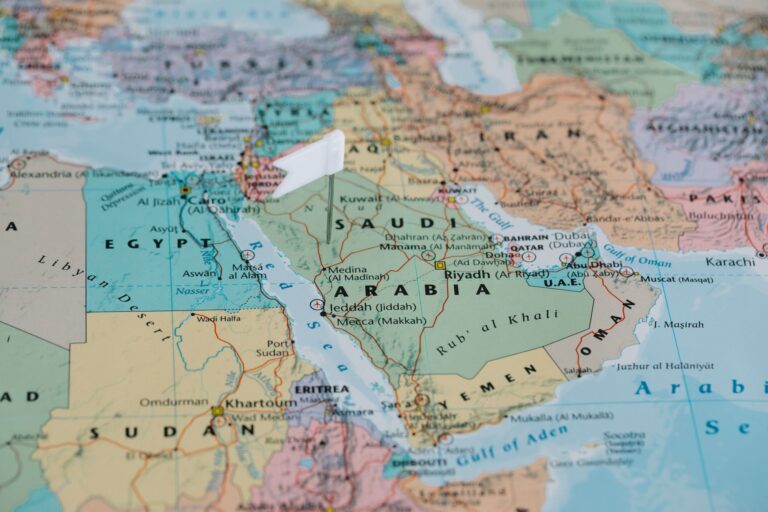
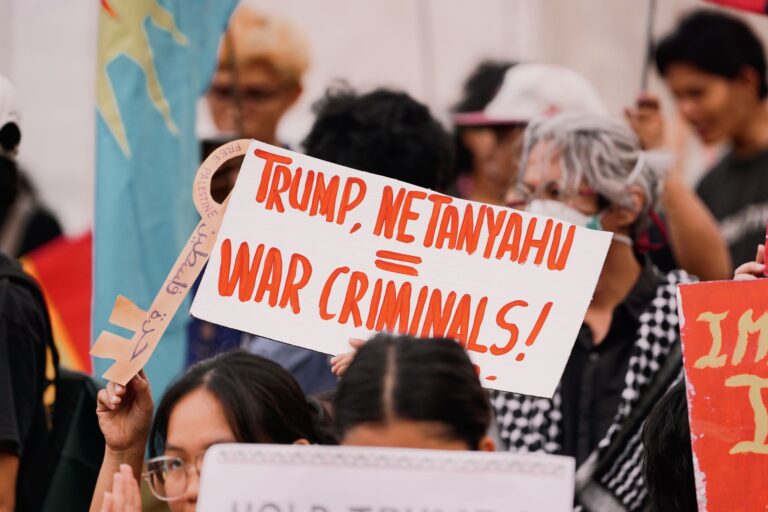
Iran is currently in a state of anticipation regarding the U.S. response to its recent diplomatic proposal aimed at reopening the Strait of Hormuz and facilitating peace in the ongoing conflicts in the Middle East. This comes in light of a report from the Wall Street Journal indicating that President Donald Trump has declined to accept the Iranian initiative.
The Iranian government brought this proposal to the forefront during the recent United Nations General Assembly in New York. Officials stated that they had communicated their plans through intermediaries, specifically Qatari mediators, suggesting a diplomatic route to ease tensions in the region. The proposal emphasizes a timeline of just one week to potentially restore access to the critical maritime route and put an end to ongoing hostilities.
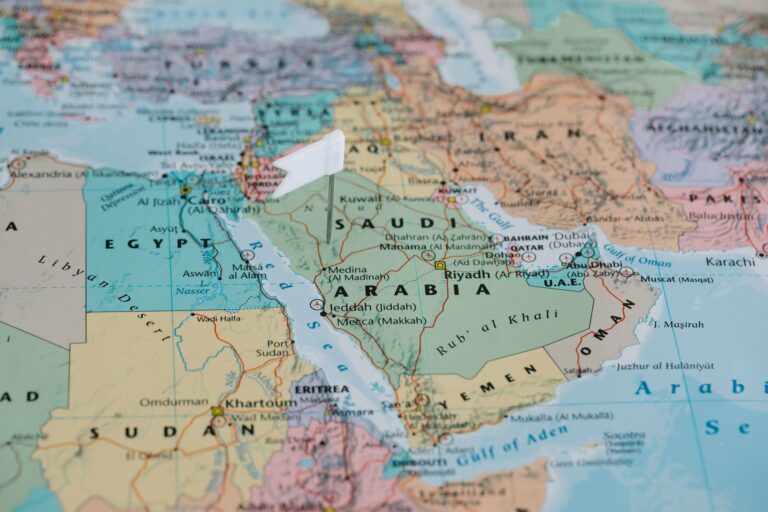
The Strait of Hormuz is a vital passageway for global oil shipments, and any disruption in that area could have significant implications for international energy markets. Iran’s initiative, therefore, carries not just regional significance but also global economic concerns. The proposal intends to foster dialogue and reduce military confrontations that have escalated in recent months.
Despite the reported rejection from the Trump administration, Iranian officials have expressed their commitment to pursue peace efforts in the region. They have framed their proposal as a constructive step towards stability and have urged for a reconsideration of the U.S. stance. The Iranian leadership has emphasized the importance of negotiation over conflict, highlighting that a peaceful resolution is essential for the safety of all nations involved.
In parallel, the geopolitical climate remains tense as various factions continue to engage in military actions across the region. The Iranian government believes that engaging in dialogue could pave the way for mutual understanding and diminish the possibility of further conflict. However, skepticism remains regarding the U.S. willingness to engage, especially given the complexities of recent diplomatic interactions.
As Iran awaits a response from Washington, the international community is closely monitoring the situation. The outcome of this diplomatic overture could have far-reaching consequences, not only for Iran-U.S. relations but also for the broader stability of the Middle East. Observers note that any progress made in this regard could set a precedent for future negotiations in the region.
Overall, the Iranian proposal represents a significant moment in the ongoing narrative of Middle Eastern diplomacy, and its reception by the United States will be pivotal in determining the future trajectory of peace efforts in the area.