Iran’s Fast-Boats Heighten Concerns Over Shipping Security in the Strait of Hormuz
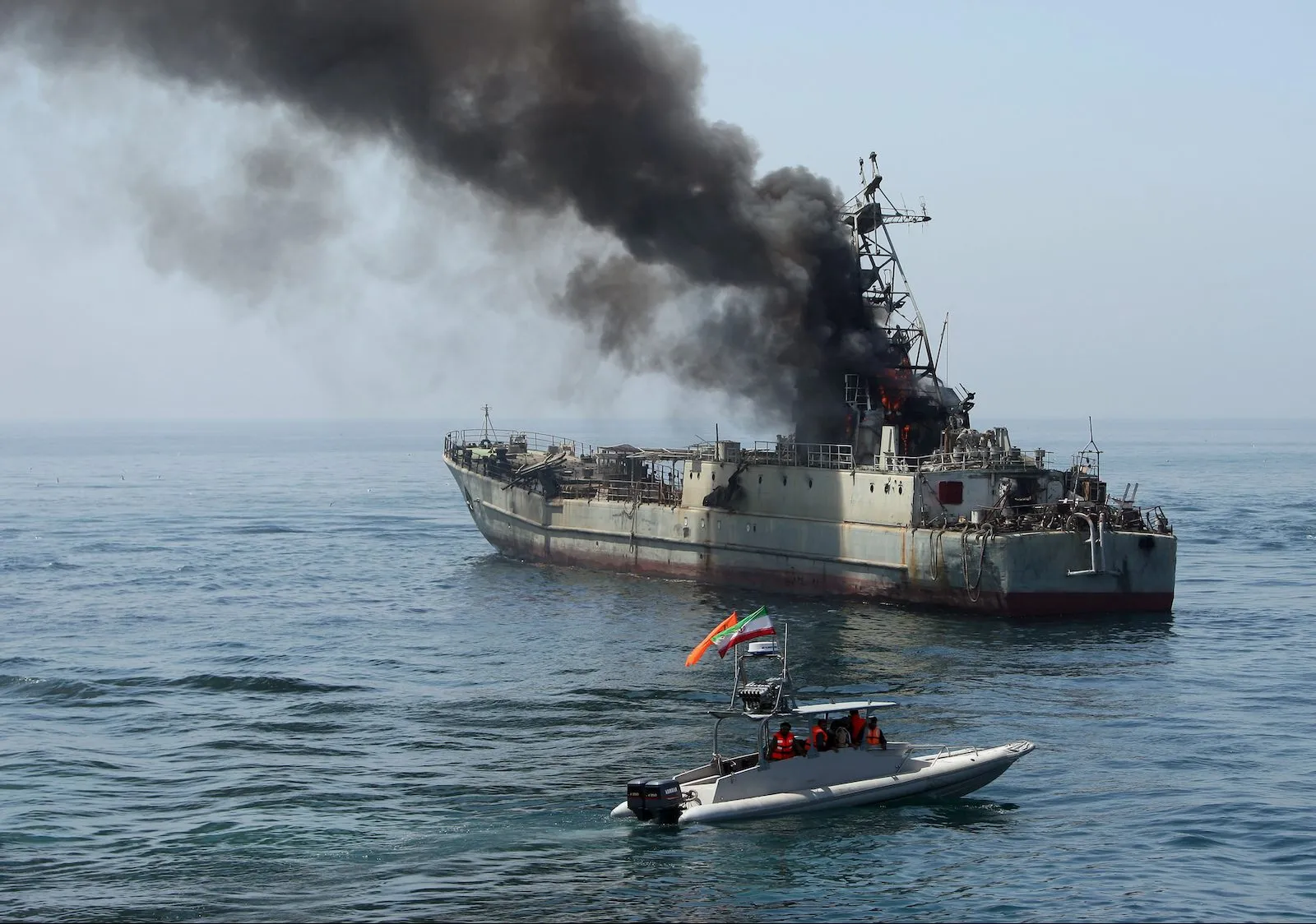
Recent incidents involving Iran’s small, fast-moving boats have raised alarms regarding the safety of maritime navigation in the strategically significant Strait of Hormuz. This vital waterway serves as a key conduit for a substantial portion of the world’s oil exports, and the actions of Iran’s naval forces pose potential challenges to shipping operations in the region.
Reports indicate that Iranian fast-boats have aggressively approached and even seized two container ships, demonstrating a level of maritime assertiveness that could contradict assessments suggesting that U.S. military efforts have effectively neutralized Iran’s naval capabilities. While U.S. President Donald Trump noted on a recent occasion that Iran’s conventional navy has been significantly diminished, he also acknowledged that the threat posed by its fast-attack vessels remains a concern.
The Strait of Hormuz is a critical chokepoint, with approximately 20% of global oil trade passing through its waters. The recent aggressive maneuvers by Iranian forces could disrupt not only oil shipments but also other commercial maritime activities, raising the stakes for international shipping companies and their insurance providers.
Experts warn that the resurgence of Iran’s fast-attack boats could complicate efforts to secure safe passage for vessels traversing this vital route. This development comes amid ongoing geopolitical tensions, particularly between Iran and the United States, which have seen increased military presence and strategic posturing in the region.
Analysts suggest that the actions of these fast boats are not just a display of military capability, but also a strategic maneuver in Iran’s broader geopolitical agenda. The ability to threaten international shipping lanes serves as a tool for Iran to exert influence and challenge the presence of U.S. forces in the region. This tactic could also be intended to leverage negotiations concerning sanctions and regional stability.
Shipping industry leaders are expressing concern regarding the implications of these developments for maritime security. The threat of Iranian action could lead to increased operational costs, as shipping companies might be compelled to reroute vessels or invest in additional security measures to safeguard their cargo.
As tensions persist and the situation evolves, international stakeholders are closely monitoring the implications of Iran’s naval activities. For Arab-American communities and businesses reliant on oil and trade, the developments in the Strait of Hormuz are particularly significant, underscoring the interconnectedness of regional stability and global economic interests.
In conclusion, the recent actions of Iran’s fast-boats not only challenge the narrative of a diminished naval threat but also highlight the complexities and risks associated with navigating one of the world’s most crucial maritime passages. The ongoing situation calls for vigilance and collaborative efforts to ensure the safety of maritime operations in this critical region.