Iran’s Hormuz Leverage Diminishes Amid U.S. Economic Pressures
As regional tensions continue to evolve, recent developments indicate a significant shift in the balance of power in the Gulf, particularly concerning Iran’s strategic position in the Strait of Hormuz. Six months after a period of heightened conflict that unsettled market stability and heightened fears of broader regional warfare, the United States has intensified its economic strategies against Iran, potentially diminishing Tehran’s influence in the area.
The Strait of Hormuz, a crucial maritime corridor through which approximately 20% of the world’s oil passes, has long served as a vital point of leverage for Iran. However, the U.S. has implemented a series of stringent economic measures aimed at crippling Iran’s oil exports and overall economic stability. This strategy appears to be gaining traction, as analysts suggest that Iran’s ability to exert its influence in the region is waning under the weight of these sanctions.
In recent months, the U.S. has rolled out an unprecedented economic offensive designed to address the challenges that military interventions have failed to resolve. This approach focuses on tightening the financial noose around Iran, targeting its oil revenues, and isolating it from international markets. As a result, Iran is facing severe economic challenges, including rampant inflation and a declining currency, which have sparked domestic unrest and dissatisfaction among its populace.
The impact of these economic pressures is evident. Reports indicate that Iran’s oil exports have plummeted, diminishing its ability to fund various regional operations and support proxy groups in neighboring countries. This shift not only affects Iran’s dominance in the Gulf but also raises questions about its capacity to respond to perceived threats from the U.S. and its allies.
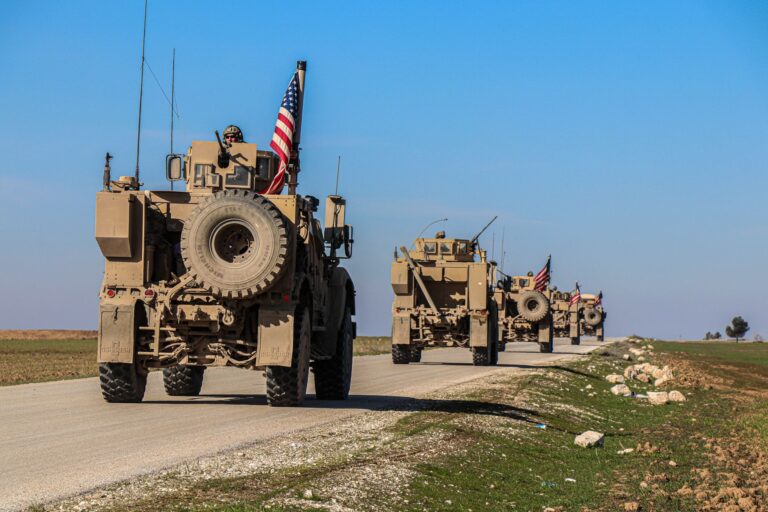
Conversely, the U.S. has strengthened its military presence in the region, signaling a commitment to ensure the security of maritime routes critical to global oil supplies. This bolstered military posture serves as a deterrent against potential Iranian provocations, further constraining Tehran’s options in the Strait of Hormuz.
Moreover, this evolving dynamic has implications for broader geopolitical relationships in the region. U.S. allies, including Gulf states, are closely monitoring the situation and weighing their positions in light of Iran’s declining influence. Some countries may seek to leverage this moment to enhance their own security arrangements, while others could explore diplomatic avenues to address the ongoing tensions.
In summary, as the U.S. continues to apply economic pressure on Iran, the latter’s capacity to assert its influence in the Strait of Hormuz appears increasingly compromised. This shift not only alters the regional power dynamics but also highlights the potential for a new phase in U.S.-Iran relations, one that may favor greater stability in the Gulf if managed carefully. The coming months will be critical in determining how these factors unfold and what they will mean for the future of the region.