Israeli Airstrikes Claim Lives in Lebanon Amid Renewed Tensions
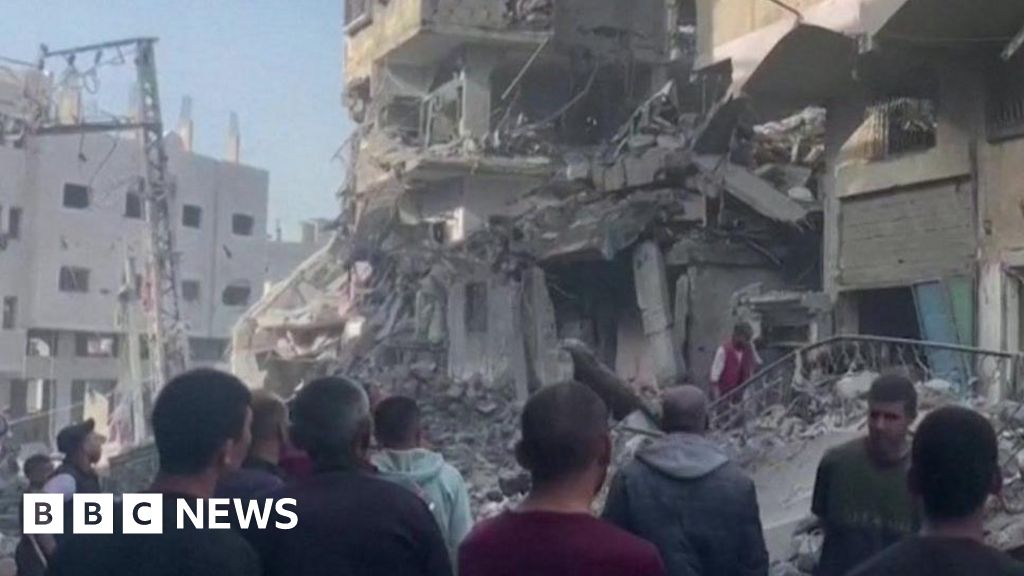
Israeli airstrikes in southern Lebanon resulted in the deaths of at least 14 individuals, including two children and two women, with 37 others reported injured, according to Lebanon’s health ministry. The strikes, which took place on Sunday, have raised concerns regarding the stability of a fragile ceasefire that has struggled to contain ongoing hostilities in the region.
The escalation in violence comes as the Israeli military issued warnings for residents to evacuate seven towns located beyond what it describes as a “buffer zone,” an area that had been established during previous conflicts. This directive appears to be a precautionary measure in anticipation of further military operations, intensifying fears among civilians in the affected areas.
In a stark reminder of the conflict’s human toll, the Lebanese health ministry emphasized the tragic loss of lives, highlighting the impact on families and communities. The situation remains precarious, with the potential for additional casualties as tensions continue to rise.
On the Israeli side, military officials reported the death of one Israeli soldier during the recent hostilities, underscoring the dangers faced by both sides involved in this ongoing conflict. The soldier’s death adds to the growing toll of the violence that has persisted despite international calls for a more lasting peace.
This recent wave of violence is part of a broader pattern of clashes that have erupted intermittently in the region, often fueled by longstanding political and territorial disputes. The situation has drawn the attention of global leaders who are urging for a renewed commitment to peace talks, but progress remains elusive as each side grapples with its own security concerns.
As the conflict escalates, humanitarian organizations are increasingly alarmed by the plight of civilians caught in the crossfire. Many families have been displaced, and access to essential services has been severely disrupted. Health officials in Lebanon are struggling to provide adequate medical care for those injured, and there are growing concerns about the psychological impact on children who are witnessing the violence.
International observers fear that without a robust intervention to address the underlying issues, the cycle of violence is likely to continue, further complicating the already fragile dynamics in the region. The call for dialogue and a peaceful resolution remains urgent, as communities on both sides of the border seek stability and safety from the specter of ongoing conflict.
As the situation evolves, local and international stakeholders are urged to prioritize humanitarian concerns and work towards a sustainable solution that addresses the needs of affected populations. The recent escalation serves as a stark reminder of the challenges that lie ahead in achieving lasting peace in a region marked by deep-seated divisions.