Judges Close Part of ICC Afghanistan Investigations that Could Look at US Troops
In a significant development, judges at the International Criminal Court (ICC) have decided to formally conclude a portion of the prosecutor’s investigations into war crimes in Afghanistan. This decision primarily impacts inquiries into alleged offenses committed by United States military personnel, shifting the focus exclusively to actions taken by the Taliban since 2021.
Court documents reveal that this ruling stems from a lengthy and complex investigation process that began in 2020. The initial scope included examining war crimes allegedly perpetrated by various actors, including the Taliban, Afghan national forces, and foreign troops, notably those from the U.S. However, the ICC’s judges have determined that further investigation into the actions of U.S. troops is no longer necessary.
The judges emphasized that this decision aligns with the ICC’s mandate to prioritize cases that can be effectively prosecuted. They have expressed concerns regarding the challenges of pursuing cases involving U.S. personnel, which is complicated by the United States’ non-cooperation with the ICC and its longstanding opposition to the court’s jurisdiction over its nationals.
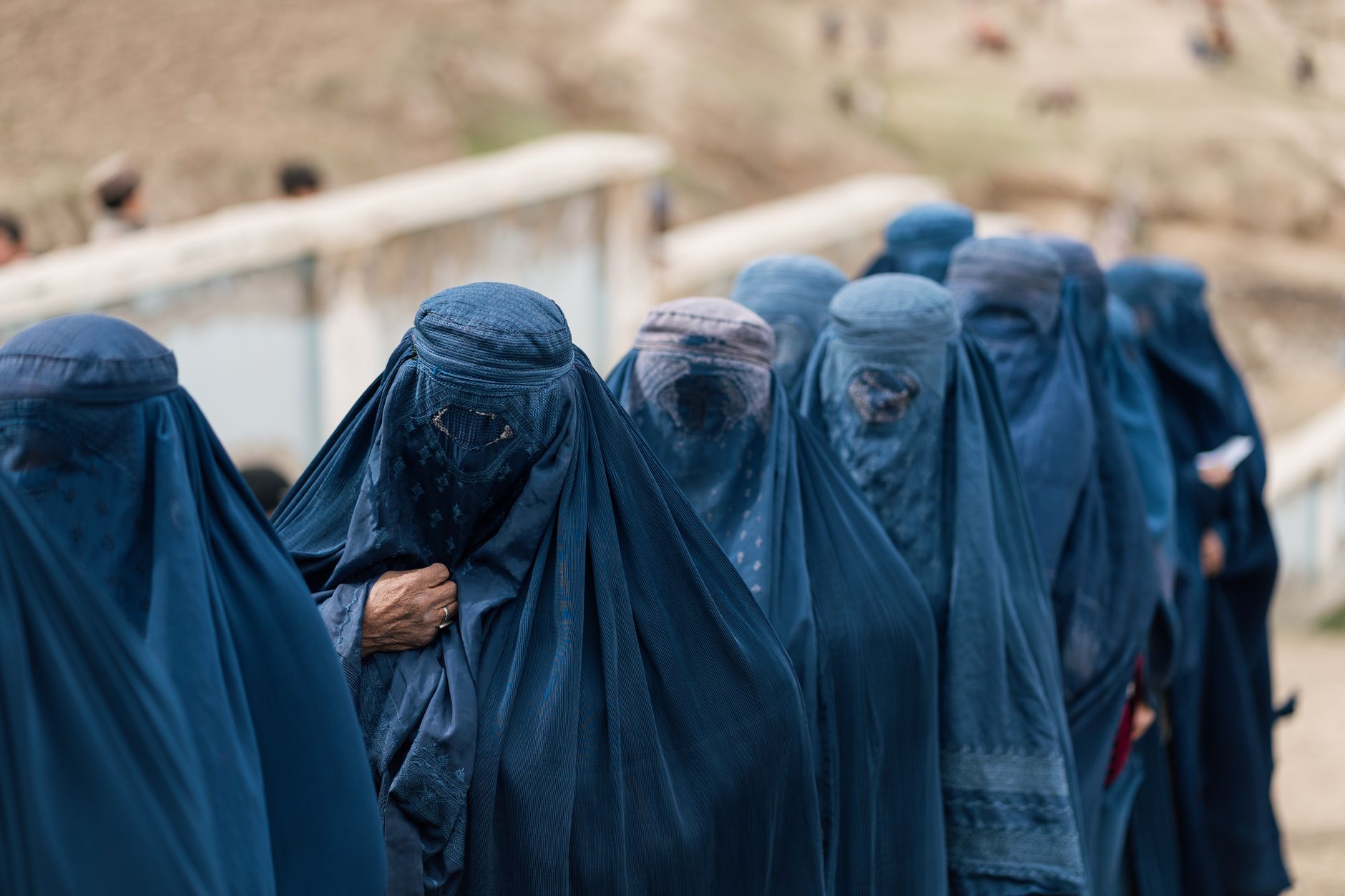
As a result, the ICC’s focus will now be directed solely toward the Taliban’s activities following their return to power in Afghanistan in August 2021. This includes alleged human rights violations, war crimes, and other atrocities that have reportedly occurred under their regime. The ICC had previously indicated that it would investigate alleged crimes, including those targeting women and ethnic minorities, particularly during the Taliban’s resurgence.
The decision to narrow the investigation has drawn mixed reactions. Advocates for accountability argue that it is essential to pursue all responsible parties for their actions in Afghanistan, including U.S. forces, while others believe that concentrating on the current situation under the Taliban is crucial for addressing ongoing human rights abuses.
The ICC’s ruling has significant implications for the pursuit of justice in Afghanistan. With the international community closely watching the situation, the court’s shift in focus may lead to increased scrutiny of the Taliban’s governance and the humanitarian conditions in the country.
As the ICC transitions its investigative efforts, the implications for victims of past and ongoing violence remain uncertain. The court’s ability to hold perpetrators accountable, particularly in a complex geopolitical landscape, will likely continue to be a topic of discussion among legal experts, human rights advocates, and the affected communities.
This latest development at the ICC underscores the ongoing challenges of international justice and the need for a comprehensive approach to addressing the multifaceted nature of conflict in Afghanistan.