Qatar Urges Iran to Demonstrate Good Intentions for Successful Mediation
In a recent statement, Qatar has underscored the necessity for Iran to exhibit goodwill in order for ongoing mediation efforts to be effective. This announcement follows a visit from a Qatari delegation to Tehran, aimed at easing regional tensions amidst escalating hostilities.
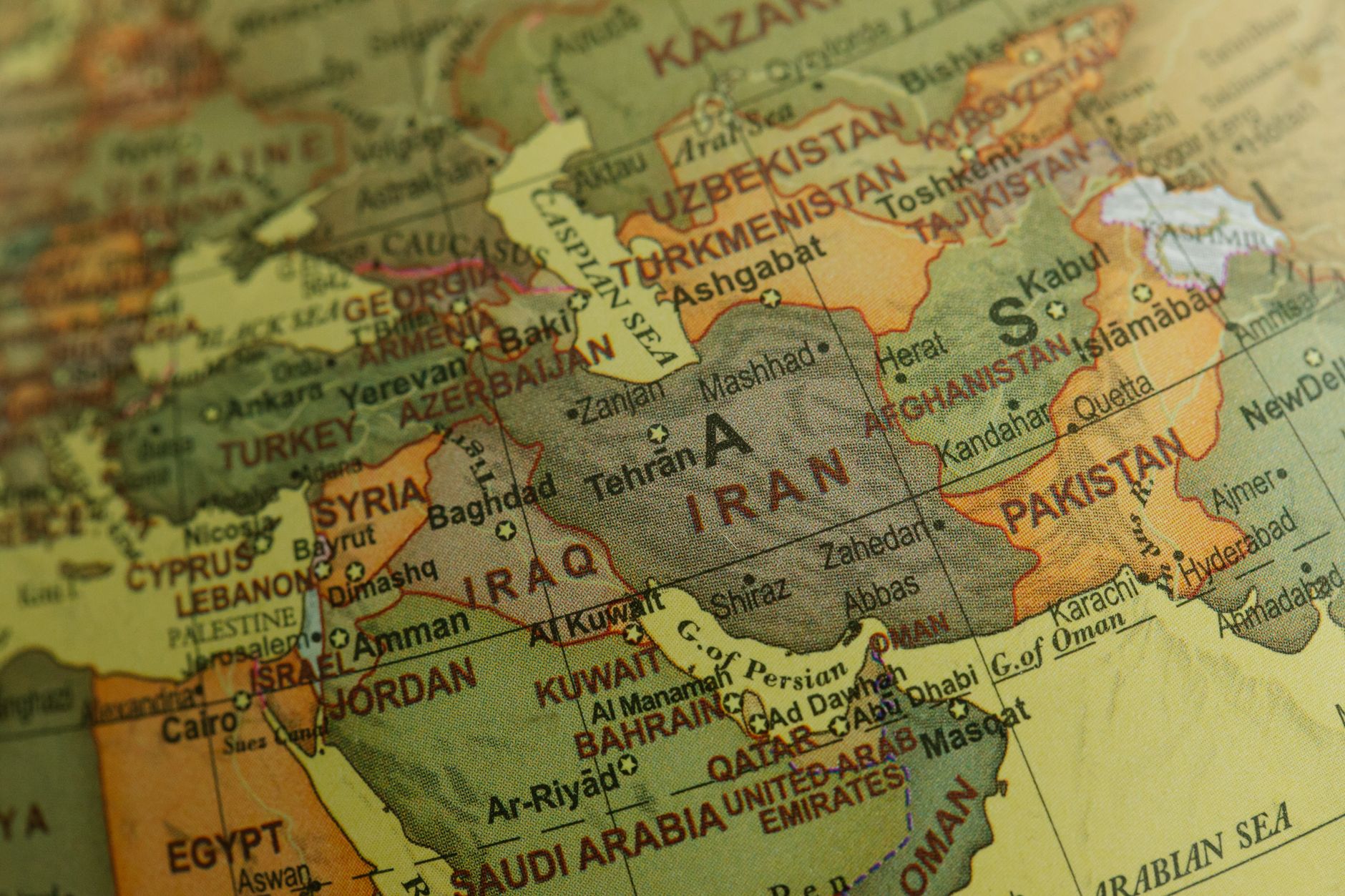
During a press briefing, a spokesperson from the Qatari Foreign Ministry emphasized the importance of Iran taking tangible steps to foster stability in the region. Specifically, the spokesperson called for Iran to cease its threats against Gulf Arab nations and to ensure the security of the Strait of Hormuz, a vital waterway for global oil transportation. The Strait of Hormuz has been a focal point of geopolitical tensions, with various incidents raising concerns about maritime security.
Qatar’s mediation efforts are part of a broader initiative, which includes coordination with the United States, to mitigate the rising friction in the Middle East. The region has been grappling with a host of challenges, including military confrontations, political instability, and economic pressures that have compounded the existing discord among nations.
The Qatari government has positioned itself as a mediator, aiming to bridge the gap between Iran and its Gulf neighbors. As a country that maintains diplomatic ties with both Iran and the United States, Qatar is uniquely situated to facilitate dialogue. In recent years, it has played a pivotal role in various diplomatic endeavors, striving to promote peace and stability in the region.
The Qatari Foreign Ministry’s spokesperson reiterated that the success of these mediation efforts hinges on Iran’s willingness to demonstrate good faith. This includes not only reducing hostile rhetoric but also taking concrete actions that would alleviate fears among neighboring countries. The call for Iran to adopt a more conciliatory approach is seen as a necessary step towards creating an environment conducive to dialogue and cooperation.
The situation in the Gulf remains delicate, with various stakeholders holding differing views on security and foreign policy. As tensions persist, the role of mediators like Qatar becomes increasingly critical. The hope is that through constructive engagement, a path can be forged towards greater understanding and collaboration among the nations of the region.
In conclusion, Qatar’s call for Iran to show good intentions reflects a broader desire for peace and stability in a tumultuous area of the world. Both regional and international observers will be closely monitoring Iran’s response to these diplomatic overtures and whether they will lead to a significant thaw in relations among Gulf states.