Sabbath Cafe Clash Lays Bare Israel’s Faultlines
A recent confrontation in Jerusalem has highlighted the deep-seated divisions within Israeli society, particularly regarding religious observance and secular freedoms. The event unfolded outside Cafe Basimta, a popular establishment that chose to remain open on Shabbat, the traditional day of rest in Judaism. This decision sparked a passionate response from both ultra-Orthodox protesters and secular activists.
On one side, members of the ultra-Orthodox community gathered to denounce the cafe’s operations on Shabbat, emphasizing the importance of adhering to religious customs. They argue that allowing businesses to operate on this day undermines the sanctity of the Sabbath and threatens the cultural identity of religious Jews in Israel. Holding signs and chanting slogans, the protesters expressed their determination to uphold traditional values in a society that they feel is increasingly straying from its religious roots.
In stark contrast, a group of secular activists organized a counter-protest in support of Cafe Basimta. These individuals advocate for personal freedoms and the right of businesses to operate without religious constraints. They argue that a modern, democratic society should respect diverse lifestyles and allow for personal choice, including the choice to dine out or socialize on Shabbat. The counter-demonstrators viewed their presence as a stand against what they perceive as attempts to impose religious law on a pluralistic society.
The clash between these two groups reflects broader tensions within Israel, where debates over the role of religion in public life are ongoing and often contentious. Many Israelis find themselves caught between the desire to maintain their cultural heritage and the push for a more secular, inclusive society. This most recent incident serves to underscore the complexities of these issues, illustrating how public spaces and personal freedoms can become battlegrounds for ideological conflicts.
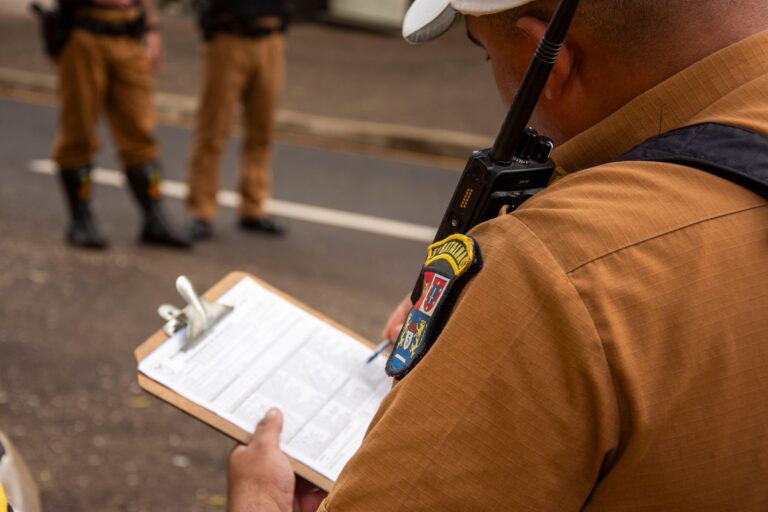
As the protests unfolded, the police were present to maintain order, ensuring that the demonstrations remained peaceful. Nevertheless, the emotions ran high on both sides, revealing the intensity of feelings surrounding the topic of religious observance in Israel.
Cafe Basimta, for its part, has become a symbol of the ongoing struggle between religious tradition and secularism in the country. The owner, who decided to remain open on Shabbat to cater to customers who wish to dine out, has received both support and backlash from various segments of society. The incident has sparked discussions among citizens and policymakers alike about the future of religious observance in Israel and the balance between tradition and modernity.
As the nation grapples with these complex issues, the events surrounding Cafe Basimta serve as a poignant reminder of the challenges faced by a society striving to navigate its diverse cultural landscape. The ongoing dialogue about the role of religion in public life continues to be a crucial topic for many Israelis, reflecting the dynamic and often polarized nature of contemporary Israeli society.