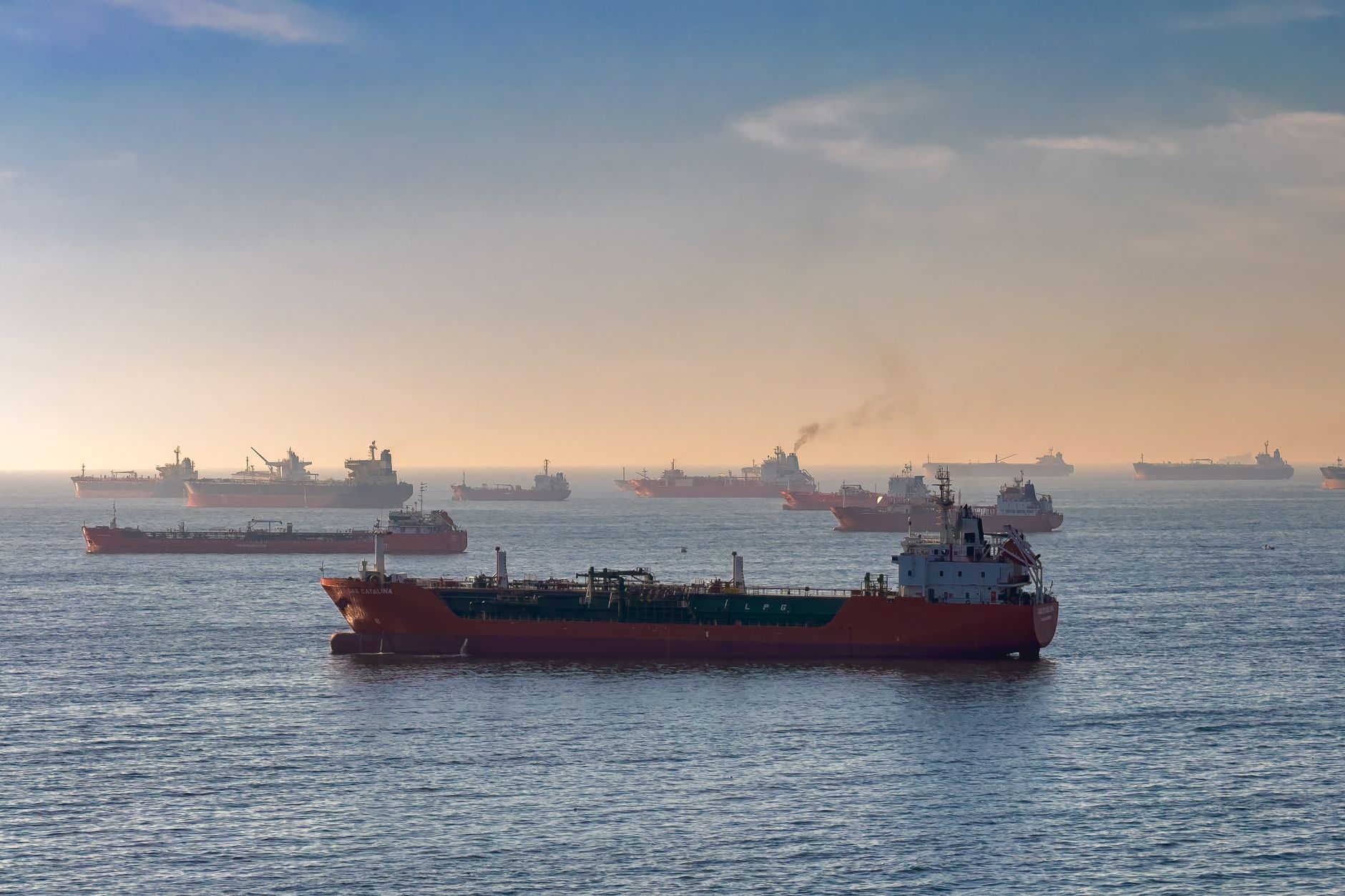
Shipping Traffic Declines in Strait of Hormuz Following Recent Attacks
Recent incidents involving attacks on oil tankers have significantly impacted shipping traffic through the Strait of Hormuz, a crucial maritime passage for global oil supply. According to vessel tracking data, the number of ships transiting the strait has sharply decreased, raising concerns over the security and stability of this vital route.
Over the weekend, only five commodity vessels successfully navigated the strait on Saturday. In a stark contrast, no ships were recorded transiting on Sunday. This downturn marks a significant decline from the previous weekend, during which 31 vessels passed through the strait. The data, provided by the ship-tracking firm Kpler, highlights the immediate repercussions of the recent maritime attacks.
The Strait of Hormuz is known for its strategic importance, facilitating the passage of a substantial portion of the world’s oil supply. The recent attacks have prompted immediate concerns among shipping companies and governments regarding the safety of maritime operations in the region. The stark reduction in shipping activity may lead to increased shipping costs and potential disruptions in the global oil market, which could have wider economic implications.
In addition to the shipping slowdown, diplomatic efforts aimed at resolving ongoing tensions between the U.S. and Iran have stalled. These discussions are critical, as they could provide a framework for improving security and stability in the region. The ongoing conflict and military posturing have left many shipping companies hesitant to operate in the area, fearing further attacks or escalations.
Industry analysts are closely monitoring the situation, as persistent threats to shipping safety could exacerbate volatility in oil prices. The recent events have led to discussions about potential increases in insurance premiums for vessels operating in the region, which could further complicate the shipping situation.
As the shipping community grapples with these challenges, stakeholders are calling for a coordinated international response to enhance maritime security in the Strait of Hormuz. Experts emphasize that without effective measures to protect vessels and ensure safe passage, the risk of further incidents could remain high, prompting ongoing disruptions to a critical global supply chain.
The situation in the Strait of Hormuz serves as a reminder of the fragile nature of maritime security in geopolitically sensitive areas. As tensions continue between regional powers, the implications for global trade and energy markets will likely remain a topic of discussion among policymakers and industry leaders alike.