Saudi Oil Infrastructure in Crosshairs as Houthis Claim Ras Tanura Strike
In a significant development in the ongoing conflict in Yemen, Houthi forces have claimed responsibility for a missile attack targeting Ras Tanura, a vital oil terminal and refinery in Saudi Arabia. This facility is not only the largest of its kind in the kingdom but is also recognized globally as one of the most critical hubs for oil exports. The incident has raised concerns about the stability of global oil supplies and the security of energy infrastructure in the region.
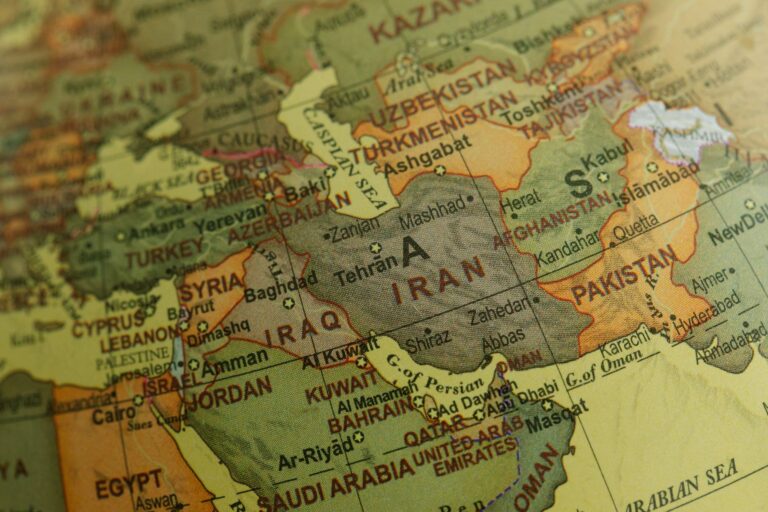
Ras Tanura, located on the eastern coast of Saudi Arabia, plays a crucial role in the world’s oil market, facilitating the export of millions of barrels of crude oil daily. The strategic importance of this terminal cannot be overstated, as any disruption to its operations could have far-reaching implications for oil prices and supply chains worldwide.
The Houthis, a group aligned with Iran and engaged in a protracted conflict against Saudi-led forces in Yemen, have intensified their operations in recent months. This latest missile strike, which the Houthis claim was aimed at crippling Saudi oil production capabilities, underscores the ongoing tensions in the region. Although the extent of the damage caused by the attack remains unclear, it marks another chapter in the ongoing hostilities that have persisted since the civil war in Yemen escalated in 2015.
Saudi Arabia has consistently faced threats to its oil infrastructure from Houthi forces, who have launched several drone and missile attacks in the past. In response to these threats, the Saudi government has fortified its defenses around critical infrastructure, but the risk of a successful strike continues to loom large. Experts warn that such attacks not only threaten the immediate safety of energy operations but also contribute to broader geopolitical instability.
The international community is closely monitoring the situation, given its potential impact on global energy markets. Analysts are particularly concerned that if the frequency and effectiveness of attacks on Saudi oil facilities increase, it could lead to significant fluctuations in oil prices, affecting economies worldwide.
Moreover, the situation highlights the broader implications of the Yemen conflict, which has already resulted in a humanitarian crisis, with millions of civilians suffering from food insecurity and lack of access to basic services. As the Houthis continue their campaign against Saudi targets, the prospects for peace in Yemen appear increasingly remote, complicating efforts to address both the humanitarian situation and the security concerns of regional players.
As the world watches the developments unfold, the resilience of Saudi Arabia’s oil infrastructure and the Houthis’ ability to strike at the heart of the kingdom’s energy sector will remain crucial factors in the ongoing geopolitical landscape of the Middle East.