Shipping Traffic Through Hormuz Remains Low Amid Stalled US-Iran Negotiations
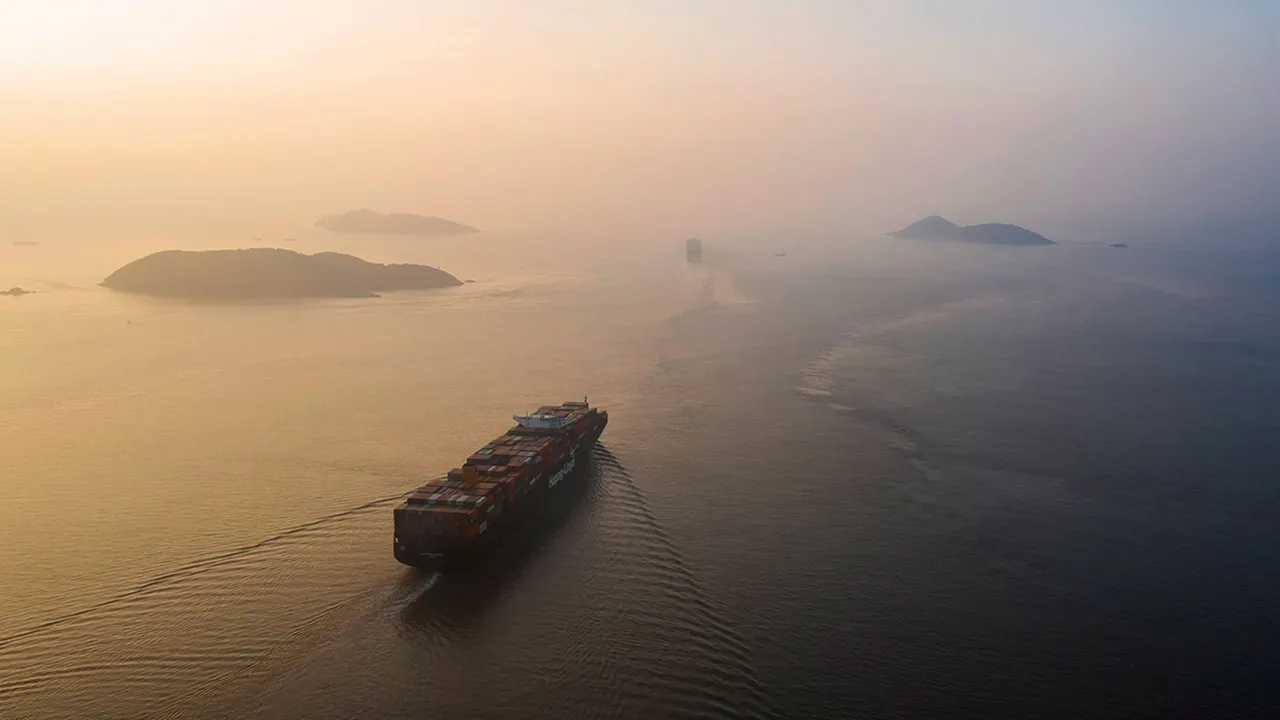
Recent shipping data indicates a continued decrease in vessel traffic through the Strait of Hormuz, a critical maritime passage for global trade. In the past 24 hours, only seven ships, predominantly dry bulk carriers, have made the transit through this vital waterway. This trend reflects an overall subdued shipping activity in recent days, coinciding with stalled diplomatic efforts between the United States and Iran.
The shipping data, compiled by Kpler and analyzed through satellite imagery by SynMax, reveals that the vessels that navigated the strait included departures from Iraqi ports, along with one dry bulk vessel originating from an Iranian port. This limited movement underscores the hesitancy in the shipping industry, likely influenced by ongoing geopolitical tensions in the region.
The Strait of Hormuz is a strategically significant chokepoint, facilitating the passage of approximately 20% of the world’s oil shipments. Its importance cannot be overstated, as it connects the oil-rich Persian Gulf to the wider Arabian Sea. However, the current low volume of shipping traffic raises concerns about potential disruptions that could arise from continued hostilities and the lack of a resolution to the ongoing US-Iran negotiations.
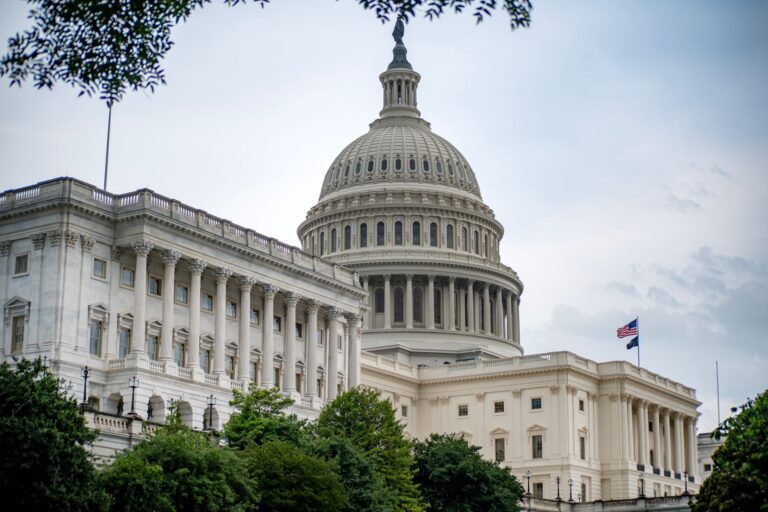
Efforts to reach a diplomatic agreement have faced numerous challenges, with both sides appearing to be at an impasse. The stalled talks are part of broader tensions that have persisted for years, particularly surrounding Iran’s nuclear program and its influence in the region. The absence of a clear framework for dialogue has left many shipping companies wary of the risks associated with transiting through the Strait of Hormuz.
Industry experts suggest that this environment of uncertainty has prompted shipping firms to reconsider their routes and operational strategies. Some may opt for alternative paths that bypass the Strait, while others could decide to delay shipments, further contributing to the muted activity in the area.
As the situation evolves, stakeholders in the shipping sector are closely monitoring developments. The potential for escalated tensions remains a significant concern, with any incidents in the strait having the capacity to disrupt global supply chains and impact oil prices.
In summary, the ongoing low levels of shipping traffic through the Strait of Hormuz highlight the intersection of maritime commerce and geopolitical developments. As the US-Iran negotiations remain stalled, the shipping industry awaits clarity and stability in the region, hoping for a resolution that would enable safer and more predictable passage through this crucial waterway.