Signs Indicate Renewed Major U.S. Military Operations Against Iran
The United States seems to be gearing up for a potential escalation in military operations against Iran, though experts caution that a definitive military resolution remains elusive for both nations involved in this ongoing conflict.
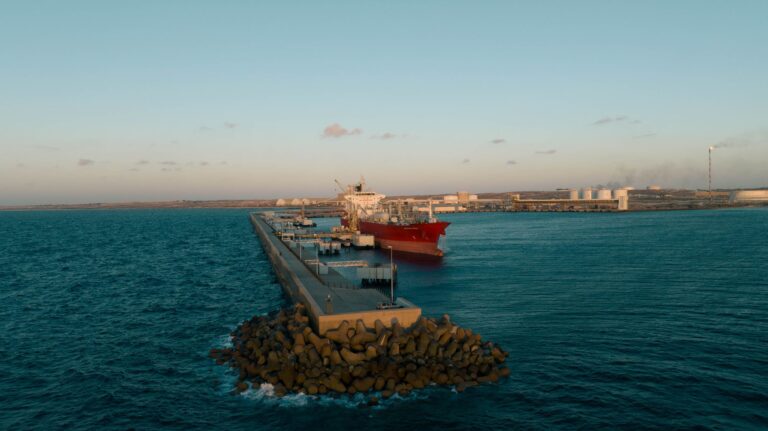
Recent developments highlight a pattern of increasing hostilities, primarily focused on commercial shipping in the Strait of Hormuz, a crucial maritime corridor for global oil transportation. The U.S. has intensified its efforts to enforce a blockade aimed at Iran’s ports, while Iran has been actively working to assert its dominance over this strategically vital region.
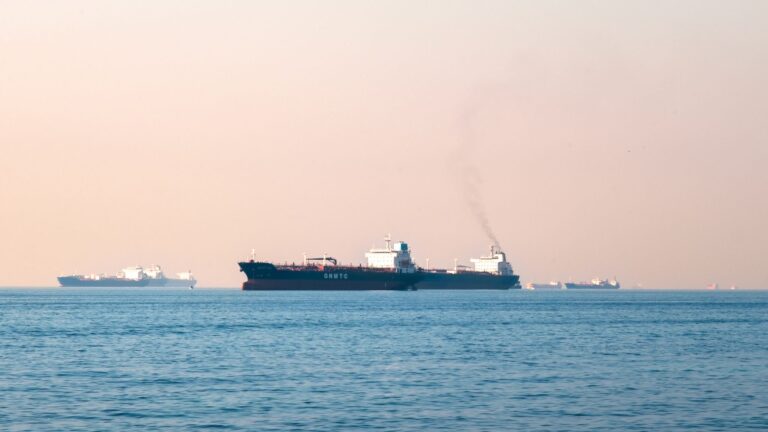
Tensions have risen significantly in recent months, as both sides engage in a series of strikes targeting commercial vessels. The U.S. has accused Iran of harassing and seizing ships in an attempt to disrupt international shipping routes. In response, Washington has deployed additional naval forces to the area, signaling a commitment to protect maritime trade and maintain freedom of navigation against perceived Iranian aggression.
Military analysts suggest that the U.S. is preparing for a series of strikes that could involve sophisticated aerial assaults or coordinated naval operations. However, despite this apparent military buildup, experts emphasize that such actions are unlikely to lead to a conclusive victory for either side. The complexities of the conflict, rooted in political, economic, and historical factors, suggest that military action alone cannot resolve the underlying issues.
Iranian officials have publicly denounced U.S. military maneuvers as provocative and a violation of their sovereignty. They argue that these actions threaten regional stability and could escalate into broader confrontations. The Iranian leadership has reiterated its commitment to defending its interests and maintaining control over the Strait of Hormuz, which is vital for its economy and national security.
As both nations continue to navigate this high-stakes environment, the risks of miscalculation or unintended escalation loom large. The presence of military assets in close proximity has raised concerns about potential clashes that could spiral out of control, impacting not only U.S.-Iran relations but also the broader geopolitical landscape.
In light of these developments, observers are closely watching how the situation evolves. Diplomatic efforts may still provide a pathway to de-escalation, although current tensions make negotiations increasingly challenging. The international community remains hopeful that dialogue will prevail over military confrontation, as the repercussions of conflict could extend far beyond the immediate region, affecting global oil markets and international security dynamics.
As the United States and Iran stand at a crossroads, the implications of their actions will resonate throughout the Middle East and beyond, underscoring the need for a balanced and informed approach to resolving this complex and dangerous conflict.