Syrian Democratic Forces to Dissolve, Signaling a Shift in Kurdish Autonomy Efforts
The Syrian Democratic Forces (SDF), a prominent Kurdish-led military group, has announced its impending dissolution, a decision unveiled by SDF leader Mazloum Abdi. This development marks a significant turning point for the organization, which has played a crucial role in the fight against jihadist groups in Syria and has been a key ally of the United States.
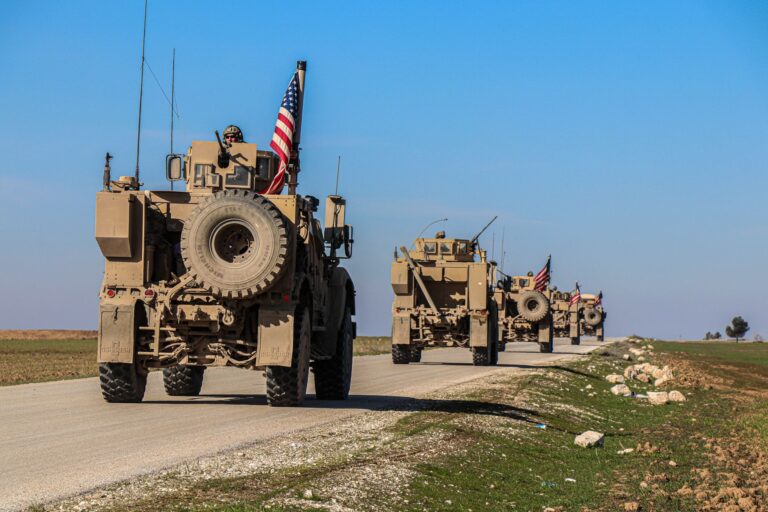
Established in 2015, the SDF emerged as a formidable force in the battle against ISIS, successfully reclaiming large portions of territory in northeastern Syria. Backed by American military support, the SDF became the de facto military arm of the Kurdish-led autonomous administration in the region. Their efforts were widely recognized for their effectiveness and organization, making them one of the most trained military forces in the country.
However, recent geopolitical shifts have led to a reassessment of the SDF’s role and future. With the United States gradually pivoting its focus towards newly formed alliances with authorities in Damascus, the SDF has found itself increasingly isolated. Experts suggest that this change in American policy signals a diminishing interest in the Kurdish aspirations for autonomy in Syria, which have long been a source of hope for Kurdish communities.
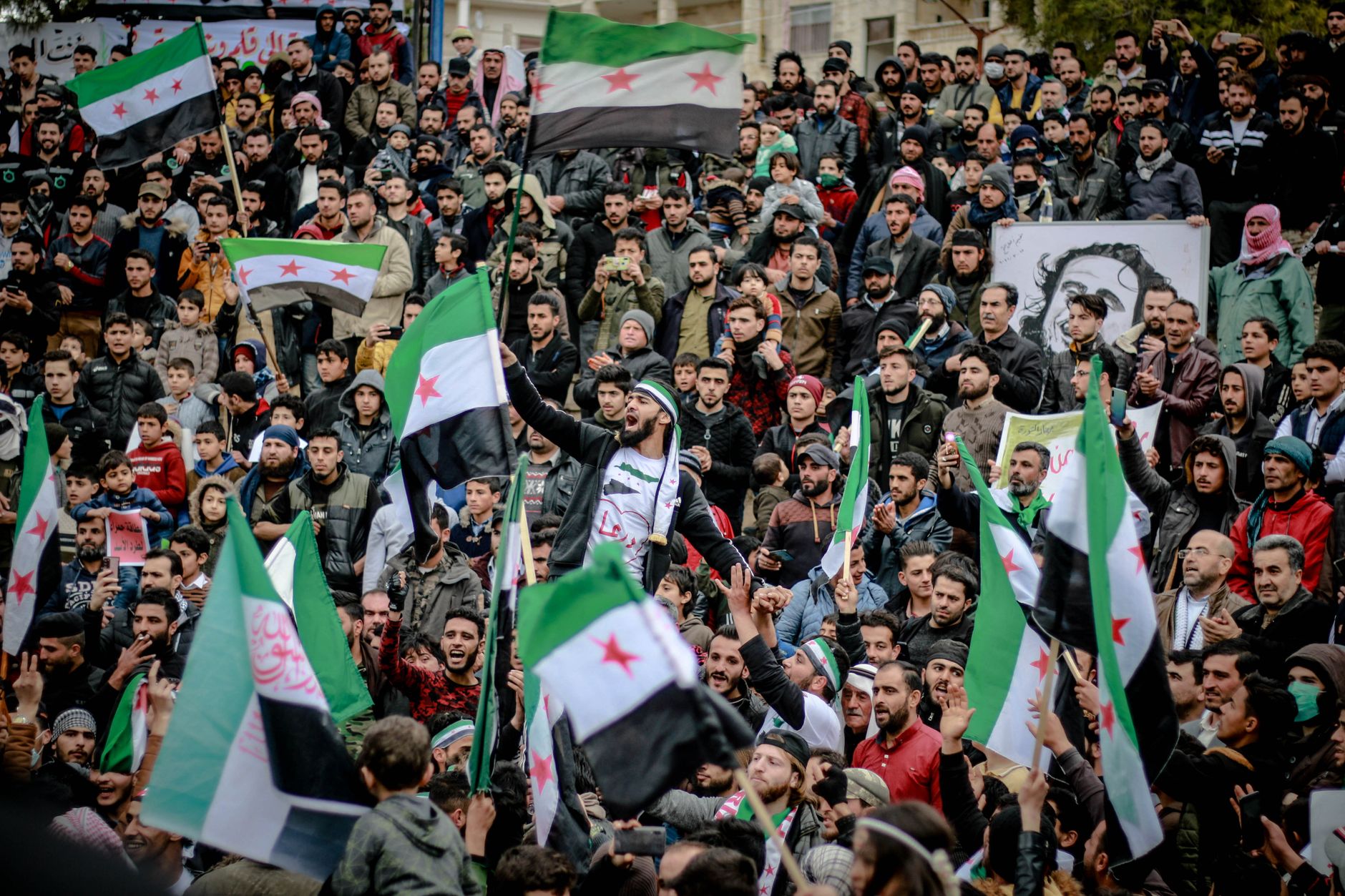
The dissolution of the SDF is seen by many analysts as a critical juncture for the Kurdish population in Syria. For years, Kurds have sought greater self-governance and autonomy, particularly in the context of the ongoing civil war and potential changes in the political landscape following the anticipated fall of Syrian President Bashar al-Assad in 2024. With the SDF’s disbandment, these dreams may face new challenges as the balance of power continues to shift.
Abdi’s announcement has sparked concerns within Kurdish communities regarding the future of their governance structures and security. The SDF has not only been instrumental in combating external threats but has also played a role in maintaining relative stability in the areas it controls. The prospect of disbandment raises questions about who will fill the security vacuum and how this will affect the local population, many of whom have relied on the SDF for protection and governance.
As the situation evolves, the Kurdish community and its supporters are closely monitoring developments. The SDF’s dissolution encapsulates the complex dynamics at play in Syria, where allegiances and power structures are continually in flux. The future of Kurdish autonomy remains uncertain, as both local and international stakeholders grapple with the implications of this significant change in the region’s military landscape.