Kurdish-led Syrian Democratic Forces Dissolved Amid Integration with Damascus
In a significant development in the ongoing political landscape of Syria, the Syrian Democratic Forces (SDF), a Kurdish-led military group, has officially ceased to exist as an independent entity. This announcement was made by SDF commander Mazloum Abdi during a televised address, marking a pivotal moment in the integration plan that has been in the works with the Syrian government, led by President Bashar al-Assad.
Commander Abdi stated, “We announce today the end of the mission of the Syrian Democratic Forces and announce with full responsibility its dissolution as an independent military force.” This statement reflects a broader shift in the dynamics of power in Syria, particularly in the context of Kurdish and Arab relations in the region.
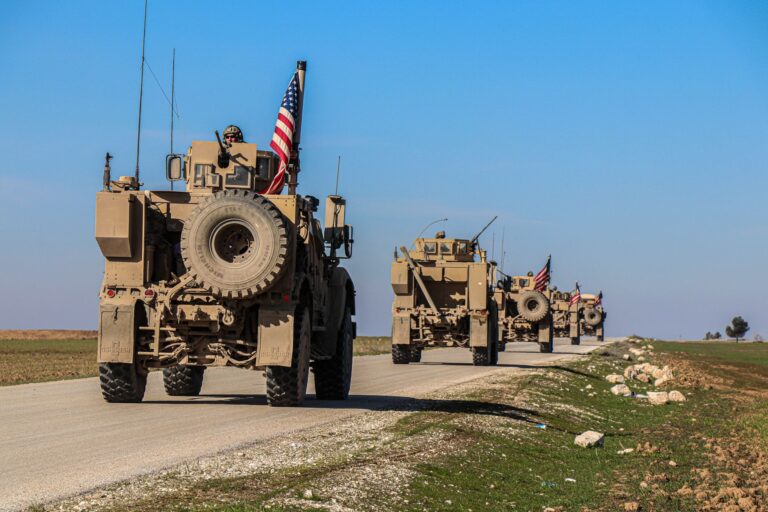
The SDF has played a crucial role in the fight against the Islamic State (ISIS) in Syria, often collaborating with international forces, including the United States. However, the changing political environment and the need for reconciliation among various factions have prompted this significant restructuring. The integration plan with the Damascus government aims to foster a more unified Syrian state, although it raises concerns regarding the future of Kurdish autonomy and governance.
This decision comes after months of negotiations and discussions aimed at reconciling the Kurdish forces’ aspirations with the interests of the Syrian government. The SDF’s dissolution is part of a broader strategy to align with Damascus, which has sought to reassert its authority over all regions of Syria after years of civil war.
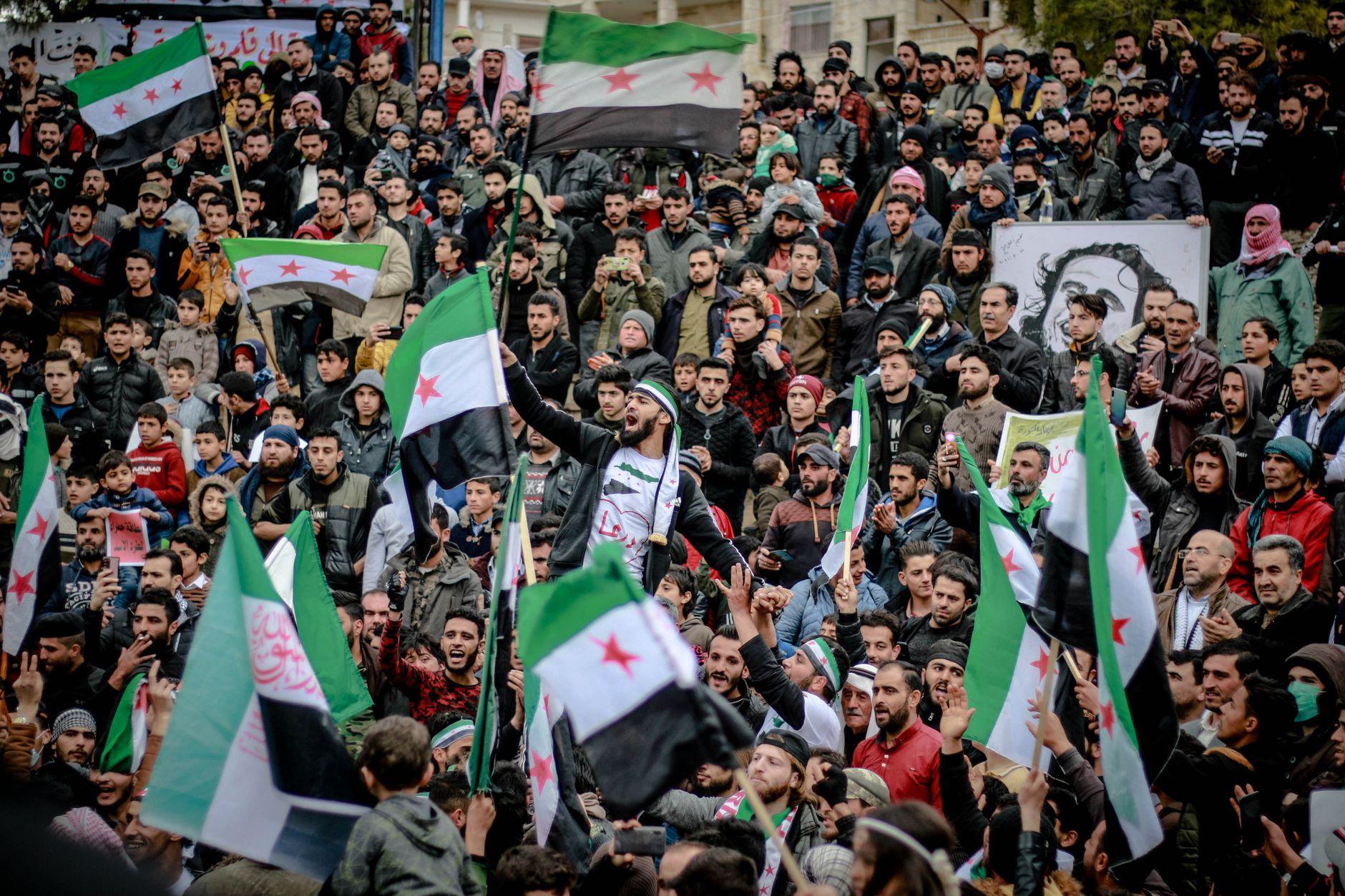
The implications of this dissolution extend beyond military restructuring. Many observers are questioning how this will affect the Kurdish population in Syria, which has long sought autonomy and control over its affairs. The SDF’s collaboration with Damascus may lead to increased tension between Kurdish communities and the Syrian state, particularly if the government does not recognize Kurdish rights or address their concerns.
Internationally, this move has garnered attention, as it represents a shift in alliances and power dynamics within Syria. The U.S. and other Western nations that supported the SDF in the fight against ISIS may need to reassess their strategies in the region, especially in light of the changing relationships between local forces and the Syrian government.
As the situation evolves, many in the Arab-American community and beyond are watching closely to see how the integration process unfolds and what it means for the balance of power in Syria. The future of Kurdish rights and the overall stability of the region remain uncertain, as this historic dissolution marks a new chapter in the complex narrative of the Syrian conflict.