Syrian Kurdish Forces Disband Following Agreement with Government
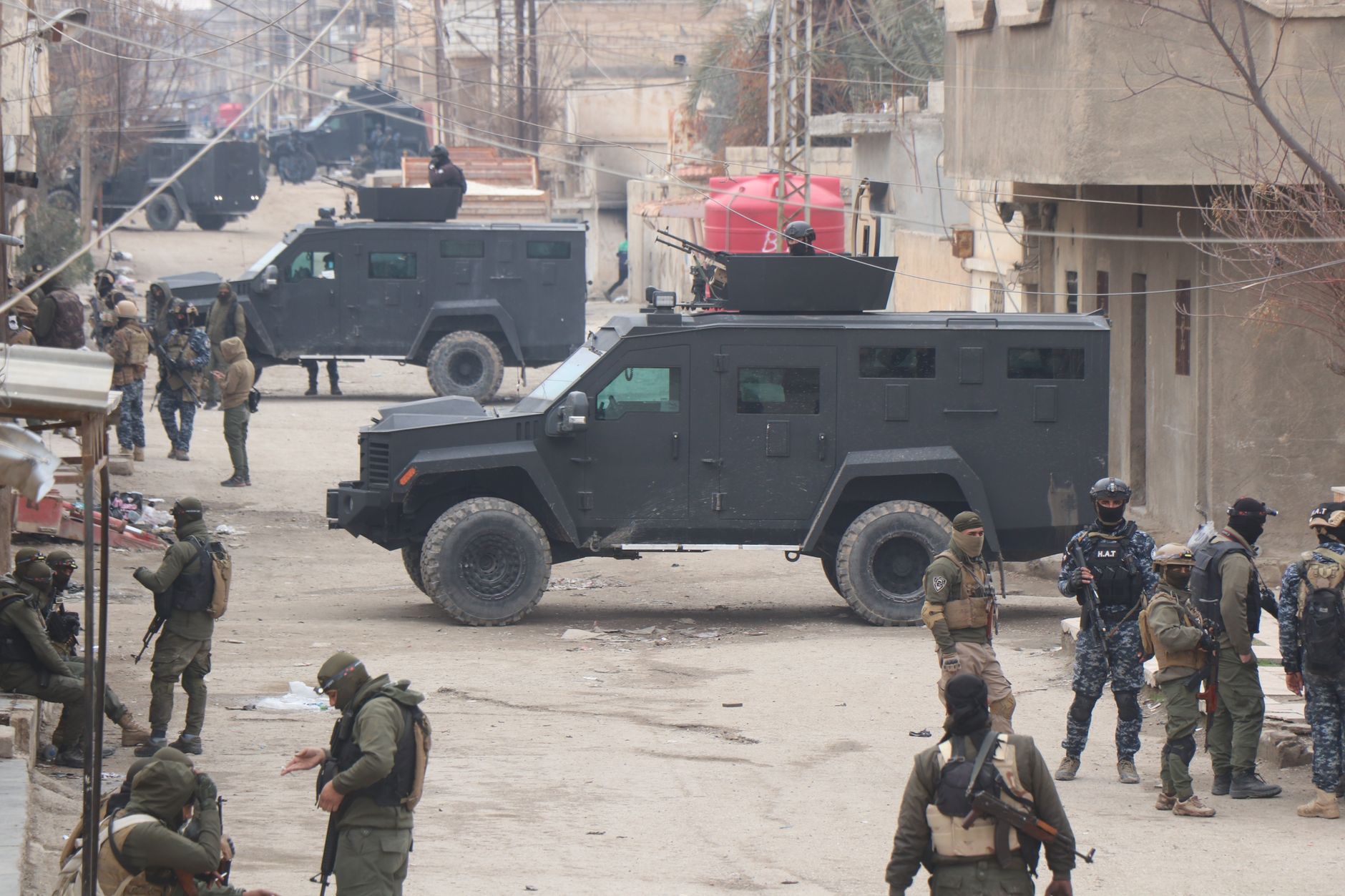
In a significant shift in the dynamics of the Syrian conflict, the leader of the Kurdish-led Syrian Democratic Forces (SDF) announced the disbandment of the group, which has been a pivotal player in the fight against the Islamic State (ISIS). This decision comes as part of a broader agreement with the Syrian government, reflecting a changing political landscape in the region.
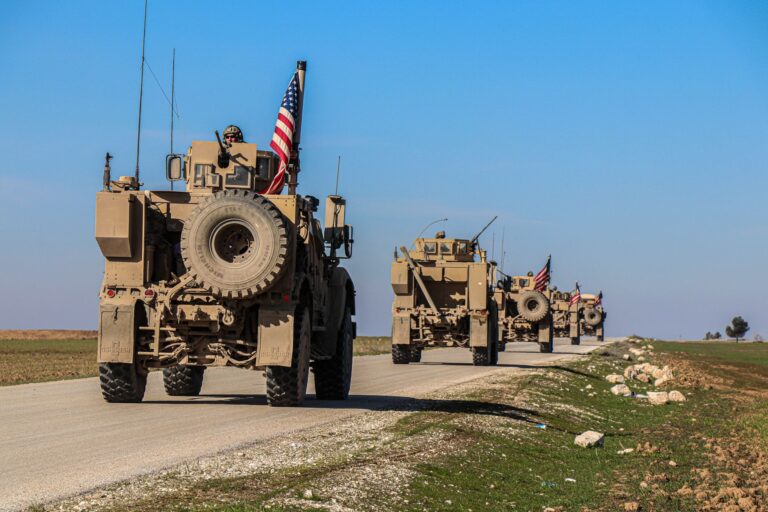
The SDF has been recognized as one of the most effective and organized military forces in Syria, particularly noted for its role in combating ISIS. Established with the backing of the United States, the SDF played a crucial role in liberating vast territories from jihadist control. However, the recent political developments following the ousting of long-time ruler Bashar al-Assad in late 2024 have led to a reevaluation of alliances and military strategies in the region.
With the emergence of new authorities in Damascus that are perceived as more aligned with U.S. interests, Washington has shifted its support away from the SDF. This transition marks a pivotal moment for the Kurdish forces, which had previously enjoyed extensive support from the U.S. during the height of the fight against ISIS. The dissolution of the SDF signifies not only a change in military strategy but also hints at a potential reconciliation process between the Kurdish factions and the Syrian government.
The announcement has raised concerns among some Kurdish leaders and communities, who fear that the disbandment of the SDF could lead to a power vacuum and renewed instability in the region. The SDF has been instrumental in providing security and governance in areas liberated from ISIS, and its absence may complicate efforts to maintain stability in these territories.
Community leaders and analysts are closely monitoring the situation, as the Kurdish population in Syria has historically faced challenges and marginalization. The disbandment of the SDF could significantly alter the balance of power in northern Syria, where various factions vie for influence and control.
As the situation continues to evolve, it remains to be seen how the Kurdish community will navigate these changes and what implications this will have for their future within the broader Syrian state. The international community, particularly those with vested interests in the region, will also be watching closely as the dynamics shift and new alliances are formed.
In conclusion, the decision to dissolve the SDF marks a significant turning point in Syria’s ongoing conflict, reflecting the complexities of regional politics and the shifting allegiances that accompany them. The Kurdish forces’ role in the fight against ISIS may have come to an end, but the implications of this dissolution will likely resonate throughout the region for years to come.