Syrians Rally Against New Alcohol Sale Restrictions and Personal Freedom Limits
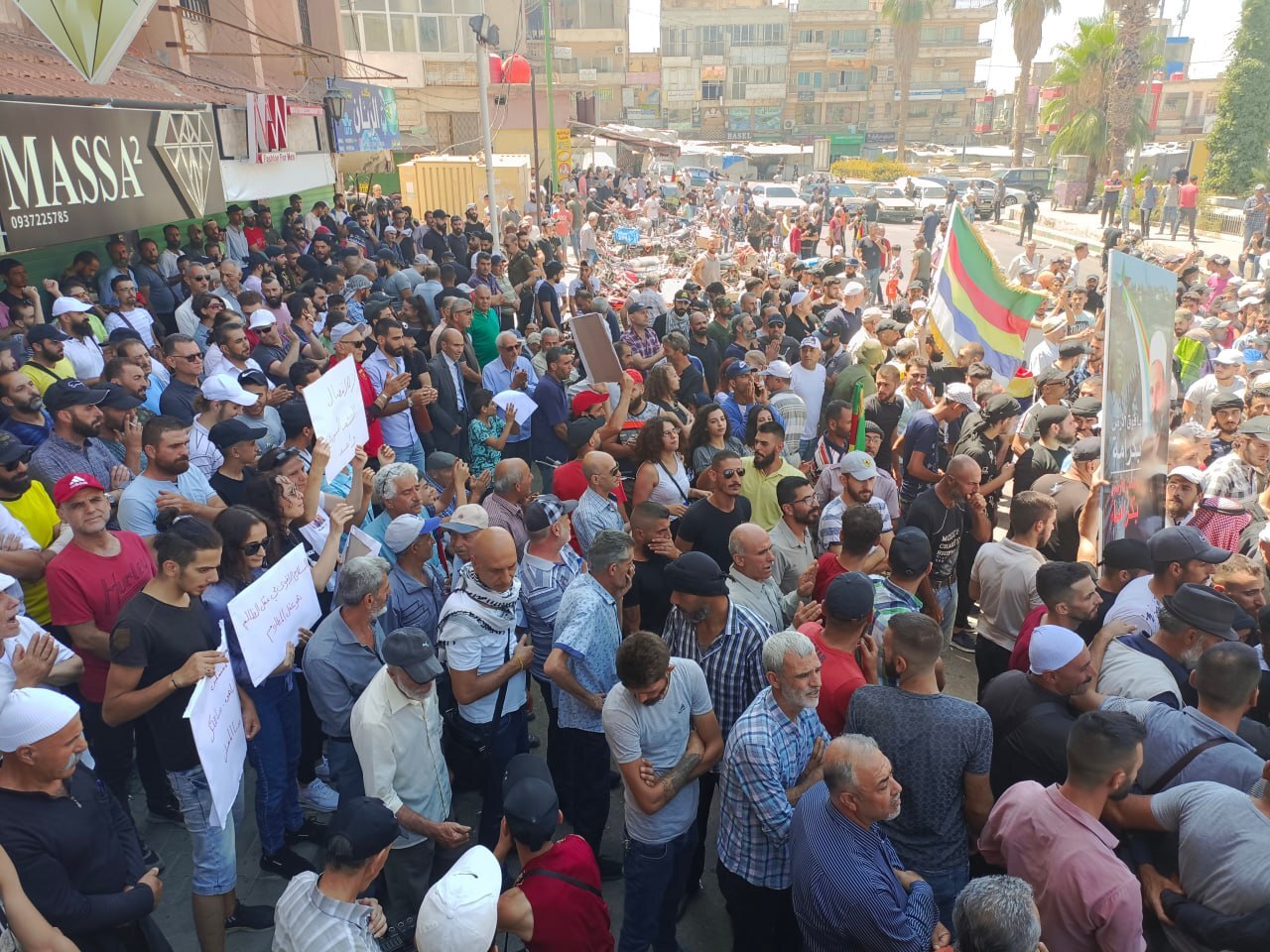
In a significant demonstration of public dissent, hundreds of Syrians took to the streets in central Damascus on Sunday to voice their opposition to recent government-imposed restrictions on alcohol sales. This move has ignited broader concerns among citizens regarding the potential erosion of personal freedoms in the country, particularly under the influence of Islamist authorities.
Last week, the local government in Damascus enacted a ban on the sale of alcoholic beverages in restaurants and bars, a decision that has raised eyebrows and sparked debate among the populace. The new regulations now permit only a select few stores located in three predominantly Christian neighborhoods to continue selling alcohol for retail. This decision has left many questioning the implications for personal liberties, especially for those who do not adhere to Islamic principles regarding alcohol consumption.
Protesters gathered in various locations across the capital, voicing their discontent with chants and placards that criticized the government’s actions. Many demonstrators expressed fears that these restrictions are part of a broader trend towards increasing conservatism and an infringement on individual rights. In a country that has historically prided itself on a diverse cultural and social fabric, the shift towards stricter regulations has alarmed many who worry about the potential for further limitations on personal freedoms.
The protest not only highlighted concerns about the alcohol ban but also served as a platform for broader grievances related to governance and civil liberties. Participants articulated their desire for a society that respects personal choices and freedoms, underscoring the importance of maintaining a space for diverse lifestyles within the Syrian community.
While the government has not publicly addressed the protests, the backlash signals a significant moment of unrest among the Syrian populace. Many attendees of the protest noted that the alcohol ban could be seen as a precursor to more extensive restrictions on various aspects of daily life, prompting fears of a societal shift that could undermine the values of tolerance and pluralism.
The situation in Syria remains complex, especially given the backdrop of ongoing political and economic challenges. As the country grapples with its identity and direction in the post-conflict era, many citizens are keenly aware of the need to safeguard their freedoms and cultural heritage against encroaching conservatism.
As the protests unfold, observers will be closely watching how the government responds to these public expressions of discontent, and whether this will lead to a reevaluation of the recent bans or further entrenchment of restrictive policies. The coming days may reveal the extent to which the Syrian government is willing to navigate the delicate balance between maintaining order and addressing the concerns of its citizens.