Trade Ships Targeted in Hormuz as Iran Reimposes Closure of Key Waterway
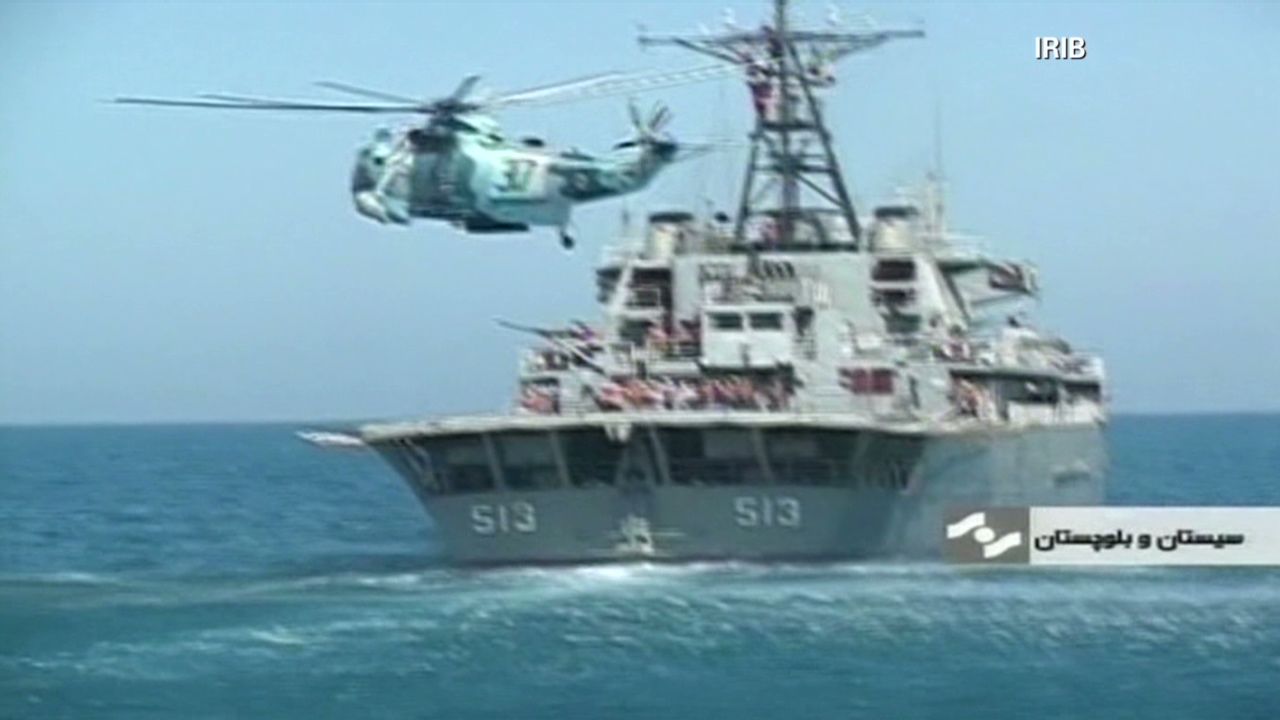
Reports have emerged that commercial vessels faced gunfire and threats from Iranian military forces while navigating the Strait of Hormuz this past Saturday. This incident marks a significant escalation in tensions as Iran has once again closed this vital maritime route, which is crucial for global trade.
The Strait of Hormuz serves as a major conduit for oil and other commodities, with a significant portion of the world’s petroleum passing through its waters. Following a brief period during which Iran had pledged to allow commercial traffic amid a ceasefire in the ongoing Middle Eastern conflict, the country has reversed its decision. This change comes in direct response to a persistent U.S. counter-blockade aimed at controlling the passage of goods through the strait.
Security monitors have reported that Iranian military forces have taken aggressive actions against vessels attempting to cross the strait, raising concerns over the safety of commercial shipping in the area. The Iranian government has expressed that the closure of the waterway is a form of protest against what it describes as hostile actions from the United States and its allies, which have intensified in recent weeks.
The renewed closure of the Strait of Hormuz could have significant implications for international shipping and the global economy, particularly in the energy sector. Analysts warn that increased military presence and hostile engagements in these waters could lead to further disruptions in oil supply and price volatility.
The U.S. has been closely monitoring the situation, given the strategic importance of the strait. American officials have reiterated their commitment to ensuring maritime security and have called for de-escalation in the region. They argue that the free flow of trade is essential for global economic stability and that any threats to this flow must be addressed promptly.
As tensions continue to rise, the international community is watching closely. The potential for wider conflict remains a concern, and various countries are engaging in diplomatic efforts to encourage dialogue between Tehran and Washington. The situation highlights the delicate balance of power in the region and the interconnectedness of global trade routes.
For Arab-American communities and others with vested interests in the Middle East, the ongoing developments in the Strait of Hormuz are crucial. The closure not only impacts trade but also affects regional stability, economic prospects, and the lives of those who rely on these vital shipping lanes. As events unfold, the need for comprehensive solutions to mitigate conflict and ensure safety in international waters becomes increasingly urgent.