Trump Hints at Potential Meeting Between Lebanon and Israel Leaders
In a recent statement, U.S. President Donald Trump expressed optimism regarding a possible meeting between the leaders of Lebanon and Israel within the next three weeks. This timeframe aligns with the extended ceasefire between the two nations, a move that many hope will foster dialogue and alleviate tensions in the region.
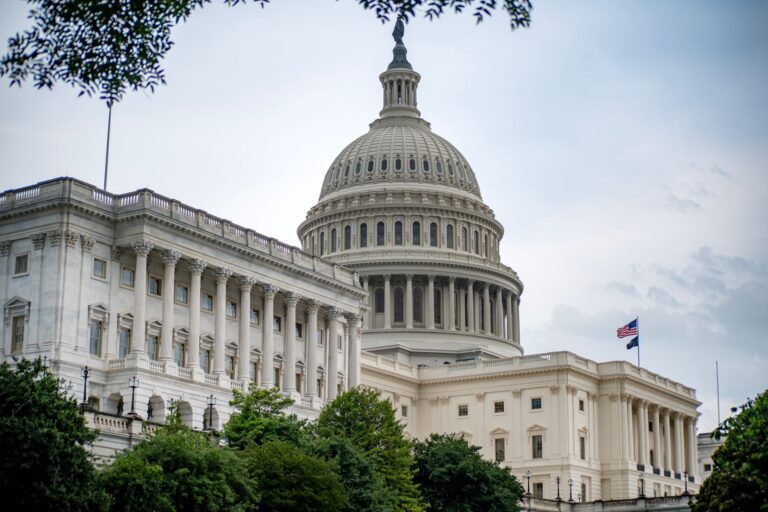
During a press conference, Trump indicated that the discussions could take place at the White House, a venue that has historically served as a backdrop for significant diplomatic engagements. The potential meeting is seen as an opportunity to address longstanding issues between Lebanon and Israel, which have been complicated by various regional dynamics, including the influence of Iran and its support for Hezbollah.
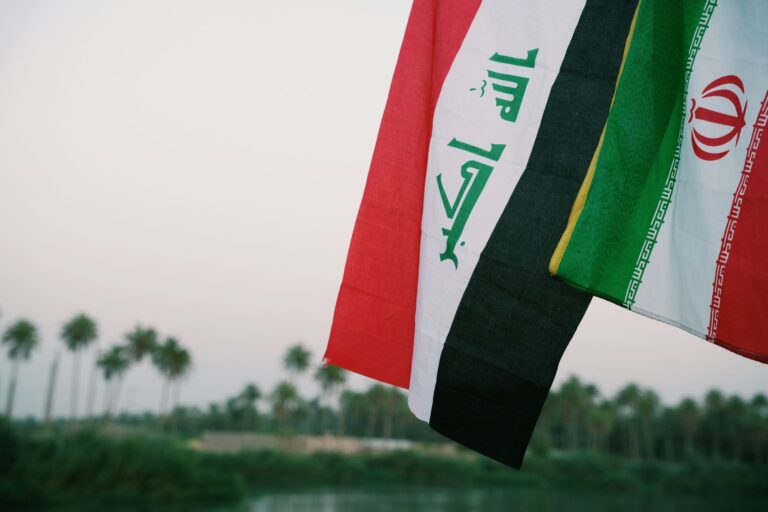
Hezbollah, a Shiite militant group based in Lebanon, has been a focal point in the conflict, with its funding and activities often drawing international scrutiny. Trump emphasized that for progress to be made, Iran must reduce its financial support to Hezbollah. This statement reflects ongoing concerns about Iran’s role in the region and its impact on stability in Lebanon and Israel.
The prospect of a meeting has been met with cautious optimism from various stakeholders. Analysts note that while the ceasefire extension is a positive step, the complexities of the relationship between Lebanon and Israel, along with external influences, present significant challenges to any meaningful resolution. The history of conflict between the two nations, marked by wars and skirmishes, underscores the difficulty of achieving lasting peace.
In addition to the potential meeting, the U.S. administration has been actively engaging with regional allies to promote stability and security. The administration’s efforts to mediate discussions reflect a broader strategy to address not only the Lebanon-Israel situation but also the wider implications of Iranian influence throughout the Middle East.
As the deadline for the ceasefire approaches, the international community is watching closely to see if the anticipated meeting will materialize and what outcomes may emerge from it. Local leaders and citizens in Lebanon and Israel are hopeful that dialogue may pave the way for improved relations and a reduction in hostilities.
While the road ahead remains uncertain, the possibility of high-level talks signifies a willingness from both sides to explore diplomatic avenues. Continued engagement from the U.S. and other nations may play a crucial role in facilitating these discussions, potentially leading to a more peaceful coexistence in a historically volatile region.