US Welcomes Iran’s Football Team to World Cup Amid Controversy
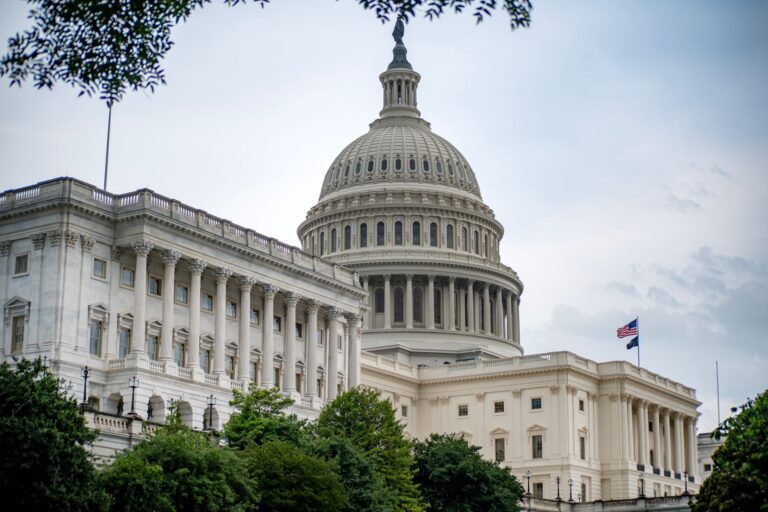
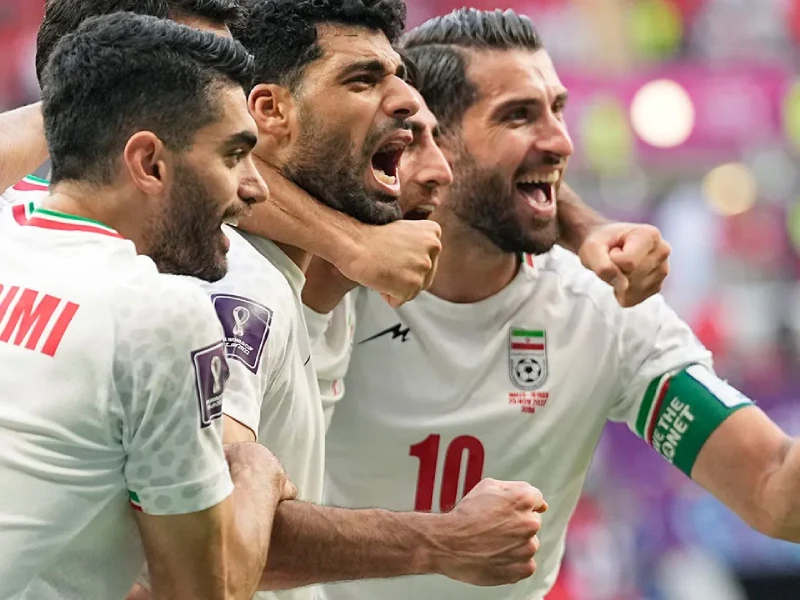
The U.S. government has affirmed that Iran’s national football team will be allowed to participate in the upcoming World Cup, following recent discussions that raised concerns about their participation. Secretary of State Marco Rubio addressed these matters during a press briefing at the White House, clarifying the U.S. position amidst calls from some Italian officials to potentially replace Iran with Italy in the prestigious tournament.
Rubio emphasized that the United States has not pressured Iran’s team to withdraw from the competition. He stated, “We have not asked the Iranian team not to come to the World Cup,” aiming to dispel any misconceptions regarding the U.S. stance on Iran’s participation.
However, the Secretary of State did express that while the footballers are welcome, the U.S. may impose restrictions on certain members of the Iranian delegation. This is particularly relevant for individuals believed to have affiliations with Iran’s Islamic Revolutionary Guard Corps (IRGC), a group designated as a terrorist organization by the U.S. and several other nations. The government’s position underscores a balance between supporting sportsmanship and addressing security concerns linked to the IRGC’s activities.
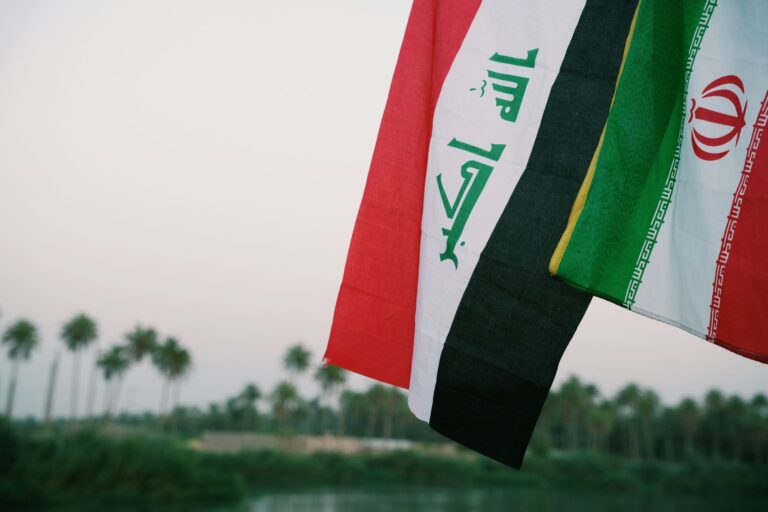
The controversy surrounding Iran’s participation in the World Cup has heightened in recent weeks, particularly in light of ongoing tensions between the U.S. and Iran. Various political figures in Italy have voiced their opinions, arguing that Italy, which failed to qualify for the tournament, should take Iran’s place if the team is barred from participating. This has sparked a lively debate among sports enthusiasts and political commentators alike.
International sporting events like the World Cup often serve as a platform for nations to showcase their culture and unity. The inclusion of the Iranian team is seen as a chance for athletes to participate in a global celebration of football, transcending political differences. Many advocates argue that sports should remain separate from politics, allowing athletes to compete without the weight of their governments’ actions.
As the World Cup approaches, it remains to be seen how the situation develops. The U.S. government’s willingness to welcome Iran’s footballers reflects a broader commitment to maintaining dialogue through sports, even amid complex geopolitical tensions. Fans and players alike will be watching closely to see how these dynamics unfold as the tournament nears, with hopes that the spirit of competition can prevail over political disputes.
In summary, while the U.S. has made it clear that Iran’s team is welcome at the World Cup, the issue of who can accompany them remains a point of contention, reflecting ongoing conflicts that extend beyond the football pitch.