Trump’s Actions May Strain U.S. Alliances Beyond Iran Conflict
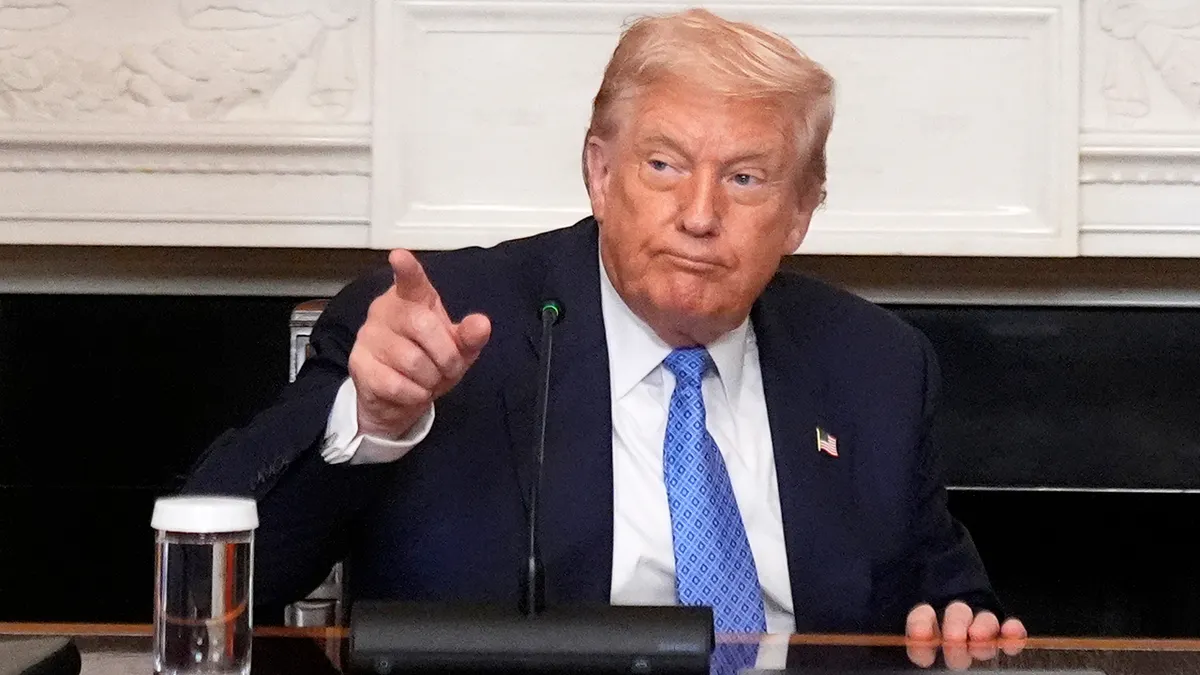
In a series of recent decisions, President Donald Trump has taken steps that could signal a lasting impact on U.S. relationships with its allies, particularly in the context of the ongoing tensions surrounding Iran. His administration’s approach includes a notable reduction of military presence in Germany, threats to further draw down forces in Europe, and a dismissive attitude toward Iran’s recent aggressive actions in the Gulf region. These moves raise concerns about the future of U.S. alliances and the potential for long-term geopolitical shifts.
The decision to withdraw troops from Germany has drawn significant attention and criticism. This move is seen as part of a broader strategy to recalibrate U.S. military commitments abroad, but critics argue it undermines decades of transatlantic partnerships. Key European allies have expressed apprehension that such actions could embolden adversaries and weaken collective security in an already volatile geopolitical landscape.
Moreover, Trump’s response to Iran’s provocations, particularly its attacks on critical infrastructure of allied nations in the Gulf, has been characterized by a pattern of downplaying the threats. This approach has sparked concerns among allies who fear that the U.S. may not be as reliable a partner in times of crisis. Observers note that a lack of decisive U.S. action in response to Iranian aggression could embolden Tehran and potentially destabilize the region further.
Analysts suggest that these tensions are likely to outlast the current conflicts involving Iran, as they reflect deeper issues within U.S. foreign policy. The administration’s inclination to prioritize national interests over traditional alliances may set a precedent that could reshape international relations in the years to come. Allies may find themselves reassessing their strategies and security arrangements as they navigate an unpredictable U.S. foreign policy landscape.
The implications of these developments extend beyond the immediate context of the Iran conflict. Many nations are now grappling with the reality that the U.S. may not always stand firm in its commitments, leading to a reevaluation of alliances. Countries in the Middle East and Europe may seek to bolster their own defenses or strengthen ties with other powers, such as Russia or China, in response to perceived U.S. disengagement.
As the situation unfolds, it remains to be seen how these dynamics will influence global politics and U.S. standing on the world stage. The potential erosion of alliances poses significant challenges, not only for U.S. leadership but also for international stability, as nations reassess their roles and relationships amid shifting power balances. The long-term consequences of these recent actions may very well define the future of U.S. diplomacy and its ability to effectively manage complex global issues.