U.S.-Iran Tensions Escalate Amid Gulf Clashes
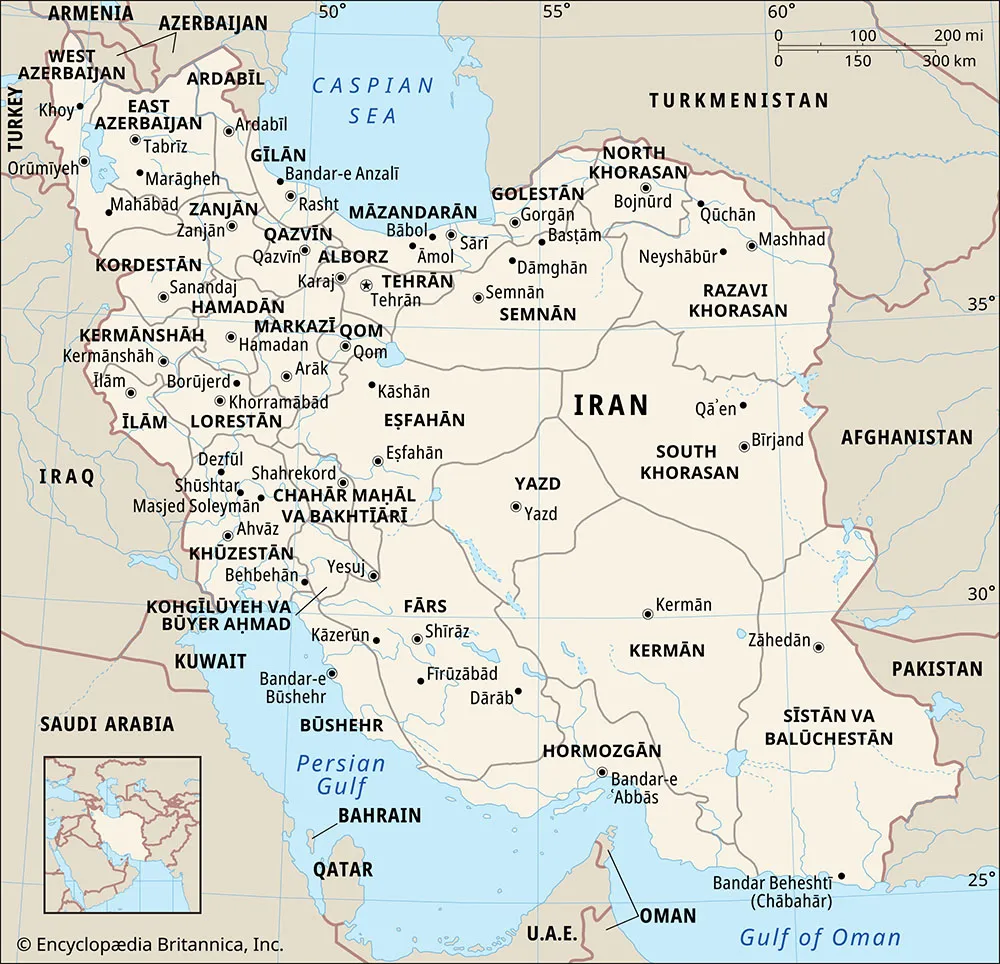
Recent developments in the Gulf region indicate a troubling escalation in hostilities between the United States and Iran, as both nations seem further from resolving their ongoing conflict. The situation has intensified following a series of armed exchanges in the strategically vital Strait of Hormuz, despite a fragile ceasefire that had been in place for approximately one month.
Over the past few days, the frequency and intensity of clashes have reached alarming levels, marking some of the most significant confrontations in the area since the ceasefire was established. Notably, the United Arab Emirates (UAE) experienced renewed assaults, raising concerns about the stability of the region and the implications for international shipping routes.
A recent U.S. intelligence assessment has shed light on Iran’s capabilities, suggesting that the country could endure an extended naval blockade for a substantial period of time, potentially months. This analysis has heightened anxieties about the potential for a prolonged conflict, as both sides appear entrenched in their positions.
Key diplomatic channels have remained largely silent, and the prospect of negotiations to deescalate tensions seems dim. The ongoing clashes have not only exacerbated military confrontations but have also strained diplomatic relations, complicating the potential for dialogue aimed at resolution.
The Strait of Hormuz is a crucial passageway for global oil shipments, with a significant percentage of the world’s oil passing through this narrow waterway. The recent uptick in military activity has raised alarms among global leaders and economic analysts alike, who worry about the potential repercussions on oil prices and international trade.
In the backdrop of these clashes, regional dynamics are also shifting, with various Arab nations closely monitoring the situation. The UAE’s involvement in the recent skirmishes highlights the broader implications for Gulf Cooperation Council (GCC) states, which may be drawn into the conflict due to their geographical proximity and economic ties to both the U.S. and Iran.
As the conflict continues without resolution, the humanitarian impact is becoming increasingly evident. Civilians in affected areas face disruptions to their daily lives amid fears of further violence. The international community, particularly Arab nations, is calling for renewed efforts to broker peace and stabilize the region.
In conclusion, as the U.S. and Iran remain locked in a cycle of aggression, the potential for a peaceful resolution appears increasingly elusive. The situation demands careful monitoring and diplomatic engagement to prevent further escalation and protect the interests of regional and global stakeholders.