Turkey’s Maritime Agreement in Libya: Implications for Political Aspirations
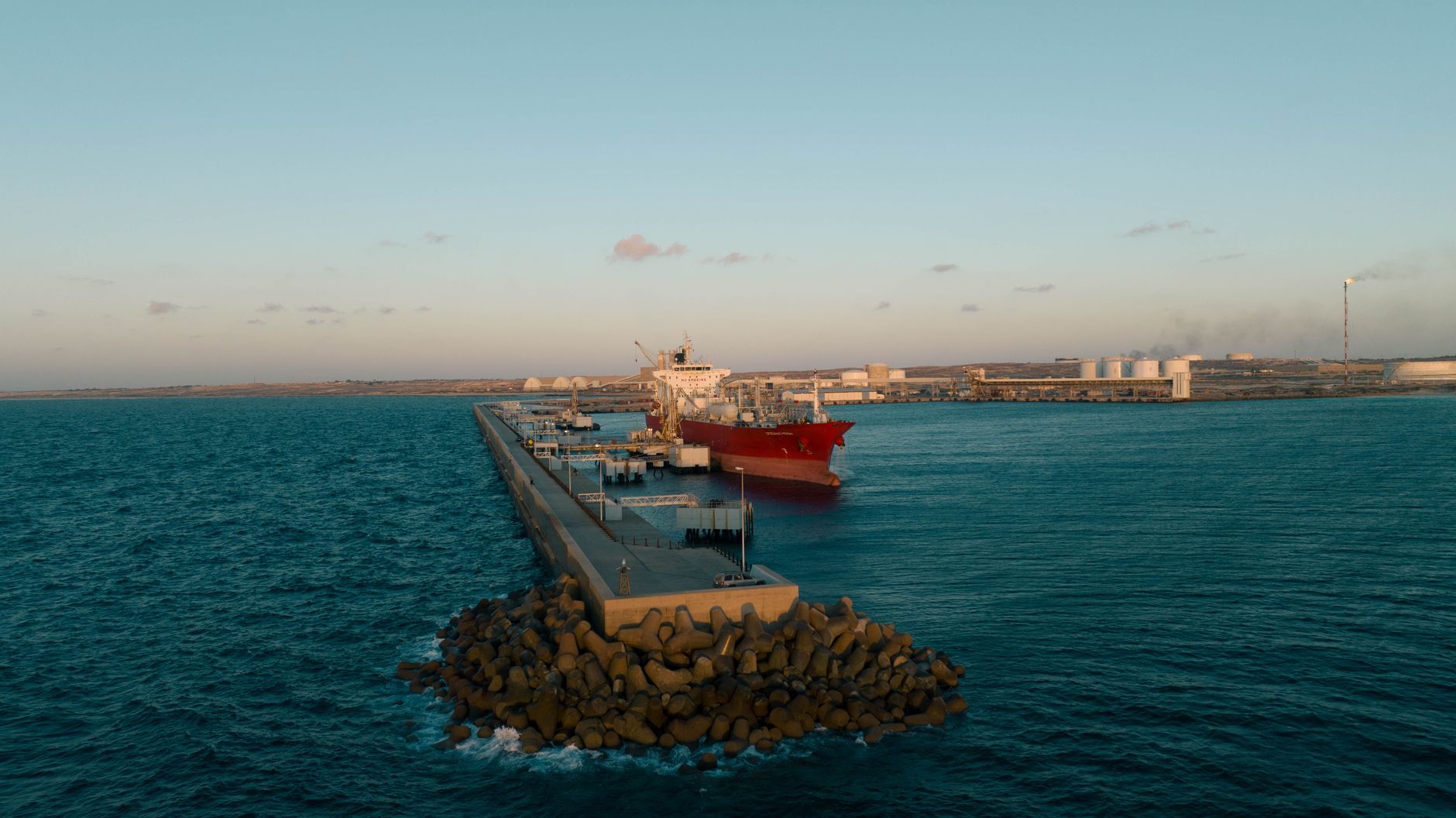
Turkey has recently solidified its position as a key player in Libya by finalizing a maritime agreement aimed at fostering national unity in the war-torn nation. This development comes amid ongoing political fragmentation and various regional interests that may challenge Turkey’s influence in the area.
The maritime deal, which has received formal approval, is part of Turkey’s broader strategy to enhance its diplomatic ties in Libya, a country that has been embroiled in conflict since the fall of Muammar Gaddafi in 2011. By establishing this agreement, Turkey hopes to facilitate cooperation among Libya’s rival factions and promote a more stable political environment. However, the complexities of Libya’s internal politics present significant hurdles to any such ambitions.
One of the notable figures in this unfolding drama is Khalifa Haftar, the self-proclaimed general who has been a central player in the Libyan conflict. Haftar, who commands a faction known as the Libyan National Army (LNA), has aspirations for the presidency that are closely tied to Turkey’s actions. While the maritime deal could bolster his standing in the political landscape, experts caution that it does not necessarily guarantee success for his presidential ambitions.
Libya remains deeply divided, with multiple entities vying for power, including the Government of National Unity (GNU) in Tripoli and various regional militias. This fragmentation complicates any straightforward path to a unified government, particularly as factions are influenced by foreign interests from countries like Egypt, Russia, and the United States. These competing agendas could undermine Turkey’s efforts to mediate and unify the country.
Moreover, while the maritime agreement is a step forward, it is just one piece of a larger puzzle. Turkey’s influence will likely depend on its ability to navigate the complex web of alliances and rivalries that define Libyan politics. The success of this agreement in fostering stability and supporting presidential candidates like Haftar will also hinge on broader regional dynamics and the reactions of other international stakeholders.
As Turkey seeks to assert itself in Libya, the path ahead is fraught with challenges. Political analysts suggest that while Ankara’s involvement could potentially reshape the landscape, the entrenched divisions within Libya and the myriad external influences will play a critical role in determining the outcome of Haftar’s presidential aspirations and the future of the country as a whole.
In summary, while Turkey’s maritime agreement is a significant diplomatic milestone, it is not a silver bullet for Libya’s political fragmentation or for Khalifa Haftar’s presidential ambitions. The interplay of local factions and international interests will continue to shape the trajectory of Libya’s path toward reunification and stability.