Turkish Airstrikes Target Al-Shabab Positions in Somalia
In a recent escalation of military action against the militant group Al-Shabab, Turkish fighter jets have reportedly conducted airstrikes on various targets in Somalia. This operation marks a significant development in the ongoing struggle against the group, which has been responsible for numerous attacks in the region.
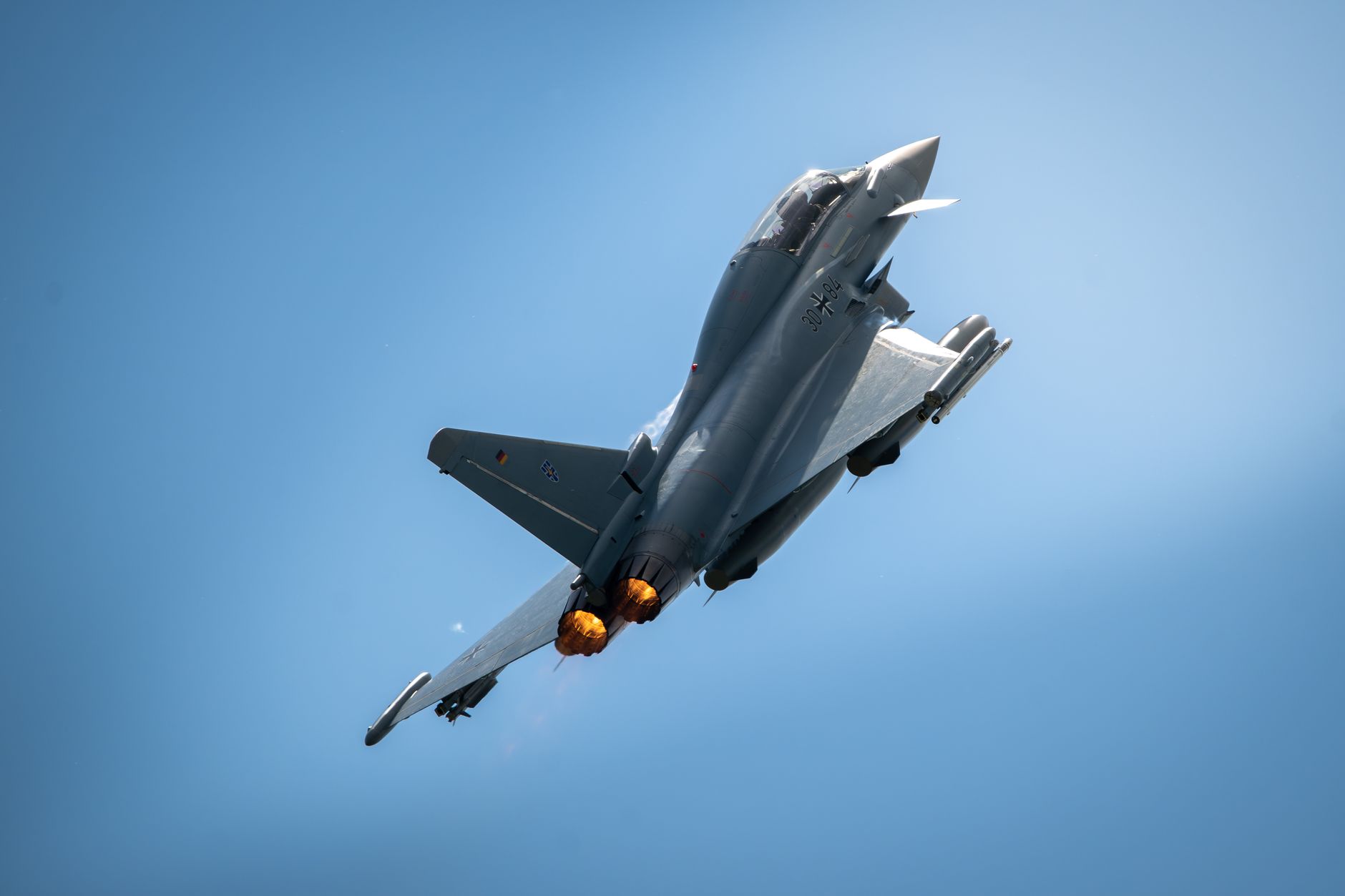
According to a statement released by Somalia’s Defense Ministry, Turkish F-16 aircraft were involved in the strikes aimed at Al-Shabab locations. However, subsequent communications from the ministry were less specific, referring to the strikes as being carried out by “international partners.” This change in wording has raised questions about the extent of Turkey’s involvement and the precise nature of the operation.
The airstrikes come amid growing concerns regarding Al-Shabab’s influence in Somalia. The group has been active for over a decade, engaging in insurgency and terror tactics that have destabilized the country and hindered efforts toward peace and governance. Their attacks often target government officials, security forces, and civilian populations, creating a climate of fear and insecurity.
Turkey has increasingly positioned itself as a key player in Somalia, providing military training and support to Somali forces. This partnership reflects a broader strategy by Turkey to expand its influence in Africa, particularly in nations affected by conflict and instability. Turkish President Recep Tayyip Erdoğan has expressed a commitment to assist Somalia in its fight against terrorism, advocating for a collaborative approach involving various international stakeholders.
The recent airstrikes are part of a larger military operation aimed at degrading Al-Shabab’s operational capabilities. Somali National Army (SNA) troops have also been engaged in ground operations targeting the group, seeking to reclaim territory and restore security in regions plagued by violence. The collaboration between Turkey and Somalia has been characterized by mutual interests, with Turkey providing not only military assistance but also humanitarian aid and development projects.
Analysts suggest that the involvement of Turkish forces could have significant implications for the fight against Al-Shabab. However, the complexity of the situation on the ground remains a point of concern, as military actions must be complemented by efforts to address the underlying socio-political issues that fuel extremism.
As the situation continues to evolve, observers are keenly watching how these developments will affect the broader security landscape in Somalia and the Horn of Africa. The international community remains engaged in discussions about the best strategies to combat terrorism in the region, emphasizing the need for a comprehensive approach that includes military, political, and socio-economic measures.