U.S. Legal Adviser Asserts Justification for Military Action Against Iran Amid Ongoing Tensions
In a recent statement, the United States State Department’s top legal official, Reed Rubinstein, articulated that the military actions taken against Iran by the Trump administration are justified as a form of self-defense. According to Rubinstein, the bombardment is a continuation of a long-standing conflict rather than the initiation of a new war, framing the operations as a necessary response to decades of aggression attributed to Tehran.
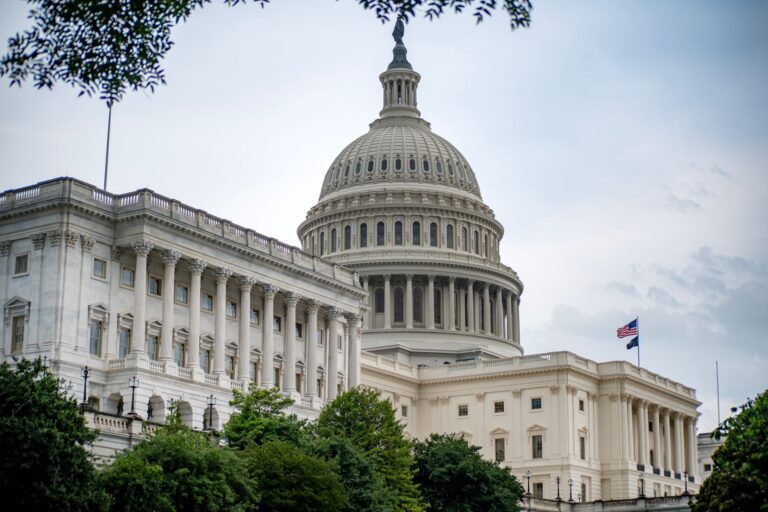
Rubinstein’s remarks come as the Trump administration prepares to meet a critical deadline on May 1, under the provisions of the War Powers Act of 1973. This act requires the administration to seek congressional approval for military engagements lasting more than 60 days or to cease operations. The forthcoming deadline has heightened discussions regarding the legal and strategic implications of U.S. military involvement in the region, particularly concerning Iran’s actions and its relationships with regional allies, most notably Israel.
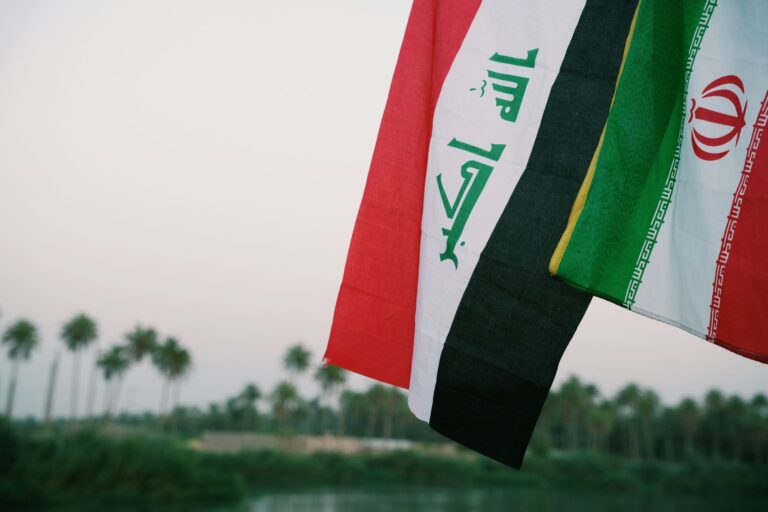
The legal adviser emphasized that the military strikes were aimed at protecting not only U.S. interests but also those of its allies. He described the Iranian government as a persistent source of destabilization in the Middle East, highlighting the need for a robust response to its activities, which he claims have threatened not just U.S. security but also that of its partners in the region.
Critics of the administration’s approach, however, argue that such military actions may escalate tensions further, potentially leading to a broader conflict. They contend that the administration should prioritize diplomatic avenues rather than military intervention, advocating for a more measured response to Iran’s provocations.
The timing of Rubinstein’s statement is significant as it seeks to solidify the legal basis for ongoing operations amidst growing scrutiny from lawmakers. Some members of Congress have expressed concern regarding potential overreach in military authority, emphasizing the need for checks and balances in decisions pertaining to military action abroad.
As discussions continue within the halls of government, the situation remains dynamic, with various stakeholders weighing in on the implications of U.S. actions in Iran. The outcome of these deliberations could have far-reaching consequences, not only for U.S.-Iran relations but also for the stability of the broader Middle East region.
As the deadline approaches, the administration will need to navigate the complex interplay of legal mandates, international relations, and domestic political pressures, aiming to strike a balance that addresses security concerns while considering the potential impacts on peace and diplomacy in the region.