A Handful of Nuts a Day May Help Keep Blood Pressure at Bay
Research indicates that consuming a handful of nuts daily may significantly reduce the risk of high blood pressure, a condition affecting millions of adults. A recent systematic review published in the *British Journal of Nutrition* reveals that each additional ounce of nuts eaten daily correlates with a 20% decrease in the likelihood of developing hypertension.
The study analyzed data from eight prospective studies involving over 143,000 adults aged 18 to 87. Among the participants, approximately 20,665 cases of hypertension were documented during the follow-up period. The findings suggest that individuals who incorporated higher amounts of nuts into their diets had a 16% lower risk of hypertension compared to those who ate fewer nuts. Specifically, consuming about 30 grams (approximately one ounce) of nuts daily was linked to a 26% reduced risk.
While these findings point to a beneficial relationship between nut consumption and blood pressure, experts caution that the study does not establish a direct cause-and-effect link. Michelle Routhenstein, a Preventive Cardiology Dietitian, emphasizes that while nuts can be part of a heart-healthy diet, they should not be viewed as a standalone solution for hypertension.
Nuts are rich in various nutrients known to support cardiovascular health, including fiber, unsaturated fats, magnesium, potassium, and a range of vitamins. Magnesium, for example, can help relax and widen blood vessels, potentially lowering blood pressure through a process called vasodilation. Potassium also plays a crucial role in managing blood pressure by counteracting sodium’s effects and reducing tension in blood vessel walls.
Experts suggest that while all nuts can contribute positively to heart health, some varieties may offer additional benefits. Nuts such as walnuts, peanuts, and almonds contain higher levels of L-arginine, an amino acid that acts as a vasodilator. Furthermore, pistachios have been highlighted for their potential to modestly lower systolic blood pressure, likely due to their nutrient profile.
When selecting nuts for optimal health benefits, preparation methods may be more important than the specific type of nut. Both Routhenstein and Kristin Kirkpatrick, a dietitian at the Cleveland Clinic, recommend opting for unsalted or lightly salted varieties to keep sodium intake in check. They also advise against heavily sugar-coated nuts and processed snack mixes that combine nuts with high-sodium ingredients.
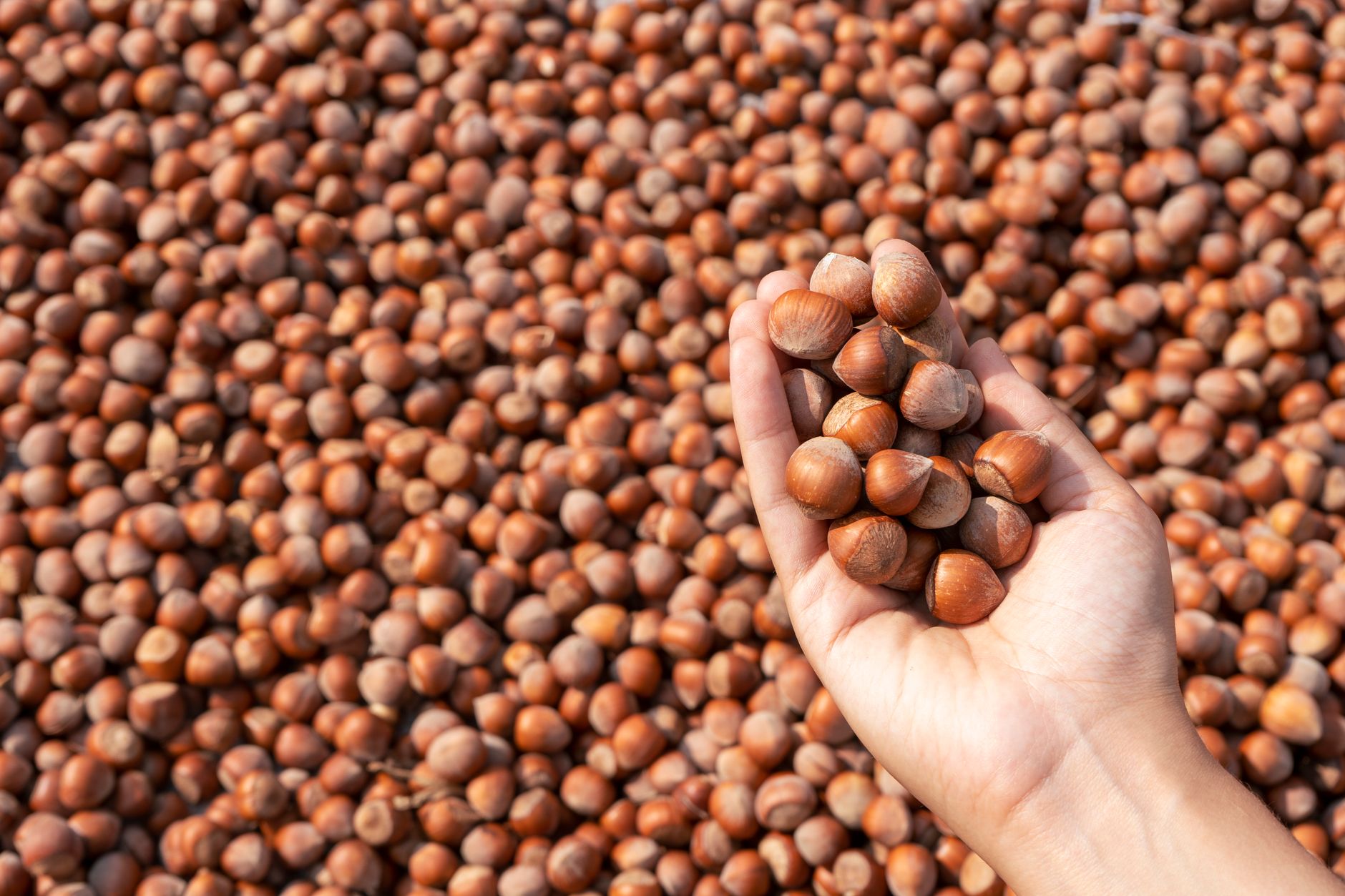
Portion control is vital, as nuts are calorie-dense. Aiming for around one ounce, or a small handful, is ideal rather than consuming multiple handfuls throughout the day. Ultimately, experts stress that a heart-healthy diet should focus on an overall pattern of nutritious foods rather than fixating on individual “superfoods.” Incorporating a variety of nutrient-rich foods, including nuts, can contribute to long-term cardiovascular health.