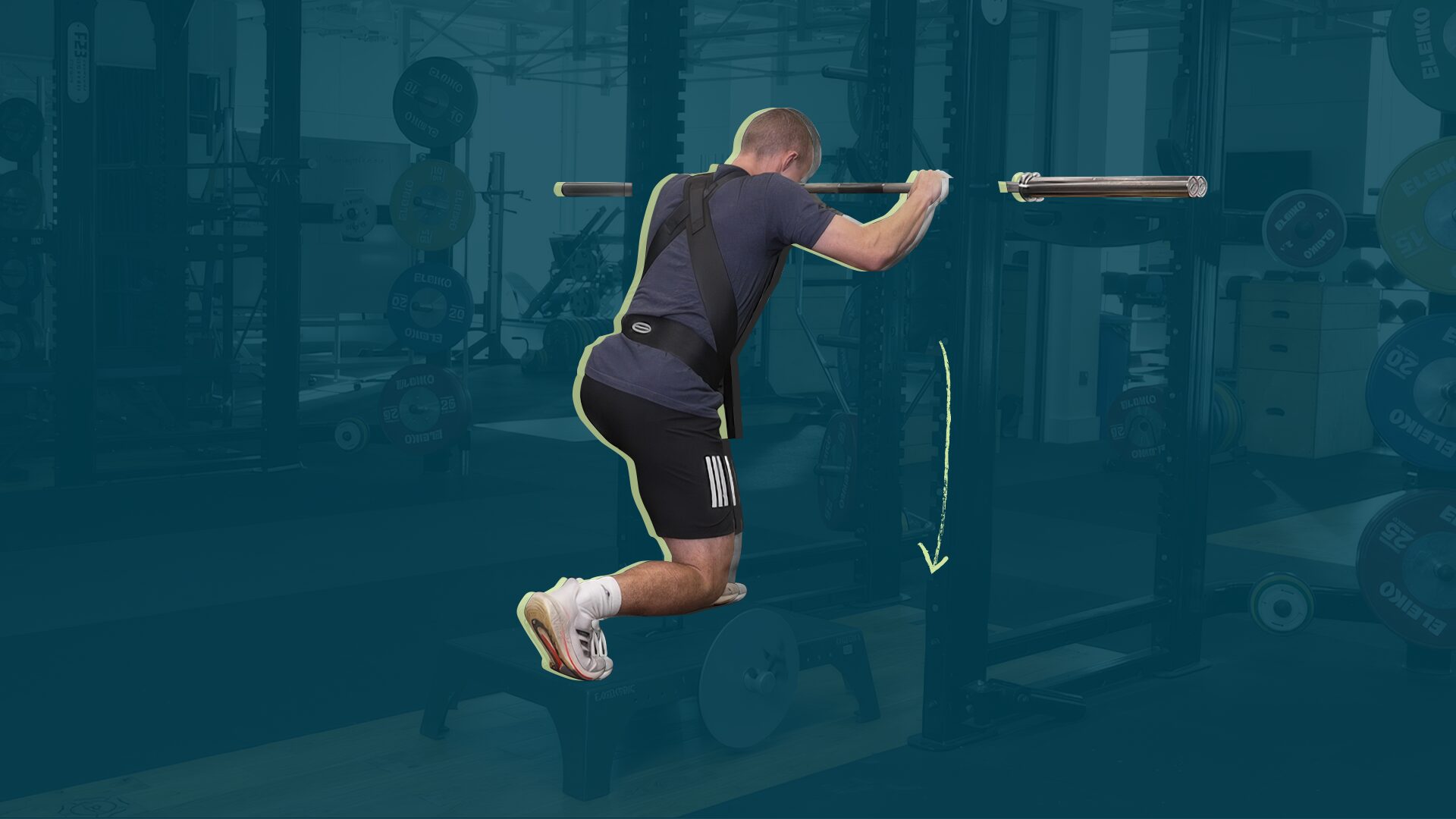
Eccentric Exercise: A Low-Effort Way to Build Muscle and Improve Health
When it comes to fitness, many people typically focus on concentric exercises, which involve muscle contractions that shorten the muscle, such as lifting weights or pushing upward in a squat. However, a lesser-known method called eccentric exercise—where the muscle lengthens during a contraction—may provide unique advantages, especially for those who are less active or looking for a gentler approach to strength training.
Recent findings published in the Journal of Sport and Health Science highlight that eccentric exercises can effectively enhance muscle strength while minimizing the strain on the body. This type of training may be particularly beneficial for older adults and individuals who do not regularly engage in intense physical activity, as it offers a low-impact way to boost fitness.
Kazunori Nosaka, PhD, who is the director of Exercise and Sports Science at Edith Cowan University, emphasizes the accessibility of eccentric training. “Every eccentric contraction counts,” he explains. “You don’t need to perform extensive workouts to see improvement; even small amounts of these exercises can lead to significant benefits.”
Eccentric exercises encompass a variety of movements, including lowering weights and walking downhill. Unlike concentric exercises, which often leave individuals feeling fatigued, eccentric movements can allow for greater mechanical loading. This means that one can handle heavier weights during eccentric actions, promoting muscle growth and strength without the same level of fatigue.
Research also suggests that eccentric exercise may have positive effects on brain health, enhancing motor control and coordination through neural adaptations. For people who aren’t athletes, this form of exercise can be integrated into daily activities—such as walking downhill or using stairs—which can provide significant health benefits without the need for a gym.
For instance, a study focusing on older women with obesity found that incorporating eccentric exercises like downhill walking resulted in improvements in heart rate, blood pressure, and overall metabolic health after just 12 weeks.
Despite its advantages, eccentric exercise does have some risks, including a higher likelihood of muscle soreness, especially for those new to this type of training. However, these risks can be managed through proper technique and gradual progression. Nosaka advises against maximal eccentric contractions for individuals who are not regularly active.
For those looking to get started with eccentric training, Nosaka suggests several simple exercises that can be performed at home. These include:
– **Chair Squats**: Focus on the lowering phase by taking five seconds to descend into a squat.
– **Wall Push-Ups**: A gentler variation of push-ups that emphasizes the slow lowering of the body toward a wall.
– **Reverse Sit-Ups**: Concentrate on the lowering part of the sit-up movement.
– **Heel Drops**: Slowly lower your heels below the level of a step or platform, reversing the action of a calf raise.
Combining these exercises with everyday activities can seamlessly enhance one’s fitness routine. As emphasized by exercise experts, the notion that “no pain, no gain” doesn’t apply here; understanding personal limits and recognizing that strength can be gained without discomfort is crucial for a sustainable fitness journey. Eccentric exercise may just be the key to achieving strength and health with less effort.