High-Fat Diets May Elevate Colon Cancer Risk, Preliminary Study Finds
Recent research indicates that diets high in fat could potentially increase the risk of developing colon cancer. A study conducted by researchers at Arizona State University suggests that specific types of fats may induce lasting changes in intestinal stem cells, which could lead to tumor formation and a higher likelihood of colon cancer.
The findings, published in the journal *Stem Cell Reports*, are based on experiments with mice. The researchers observed alterations in the DNA of intestinal stem cells resulting from a high-fat diet, which may explain why these cells grow and survive more aggressively. Given that about one in 25 individuals will develop colon cancer in their lifetime, translating to approximately 108,000 new cases annually in the United States, this research underscores the importance of understanding dietary impacts on health.
While the study provides intriguing insights, experts not involved in the research urge caution in applying these results to humans. Dalia Perelman, a research dietitian at Stanford University, emphasized that although the findings illustrate a potential link between diet and intestinal cancer development, more research is necessary to confirm these effects in human populations. Previous studies have already shown that obesity and diets high in processed meats and low in fiber correlate with increased colorectal cancer risk.
The Arizona State researchers fed a group of mice a Western-style high-fat diet for six months, comparing their results with a control group on a low-fat diet. The high-fat group not only gained more weight but also exhibited a higher number of rapidly growing intestinal stem cells. Mice genetically predisposed to intestinal cancer developed more and larger tumors when subjected to the high-fat diet. Interestingly, when switched back to a low-fat diet, the stem cell behavior normalized, although some DNA changes persisted.
While the study offers a cellular-level understanding of how high-fat diets might contribute to colorectal cancer, experts caution that animal studies cannot be directly equated to human outcomes. Mice and humans share biological mechanisms, but human diets, genetics, and environmental factors are significantly more complex.
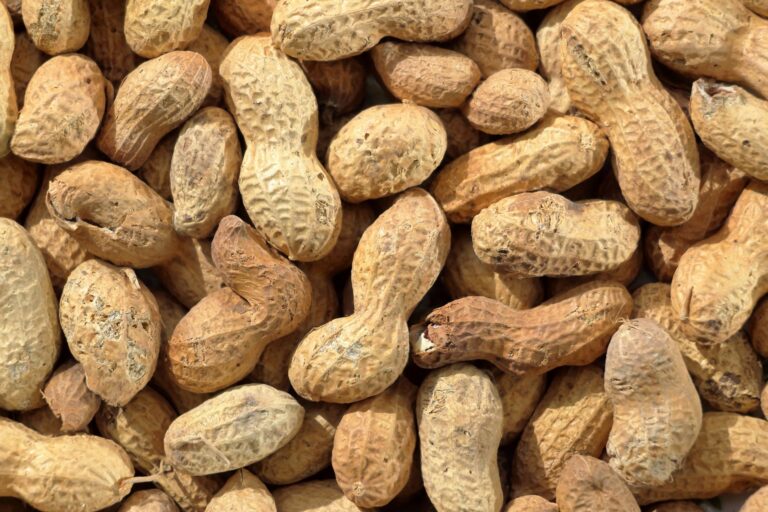
Experts also noted that not all fats are created equal. Ketan Thanki, a colorectal surgeon, highlighted the importance of distinguishing between different types of fats. Diets rich in saturated fats, particularly from processed meats and fried foods, pose health risks, while unsaturated fats found in foods like avocados, nuts, and olive oil can be beneficial.
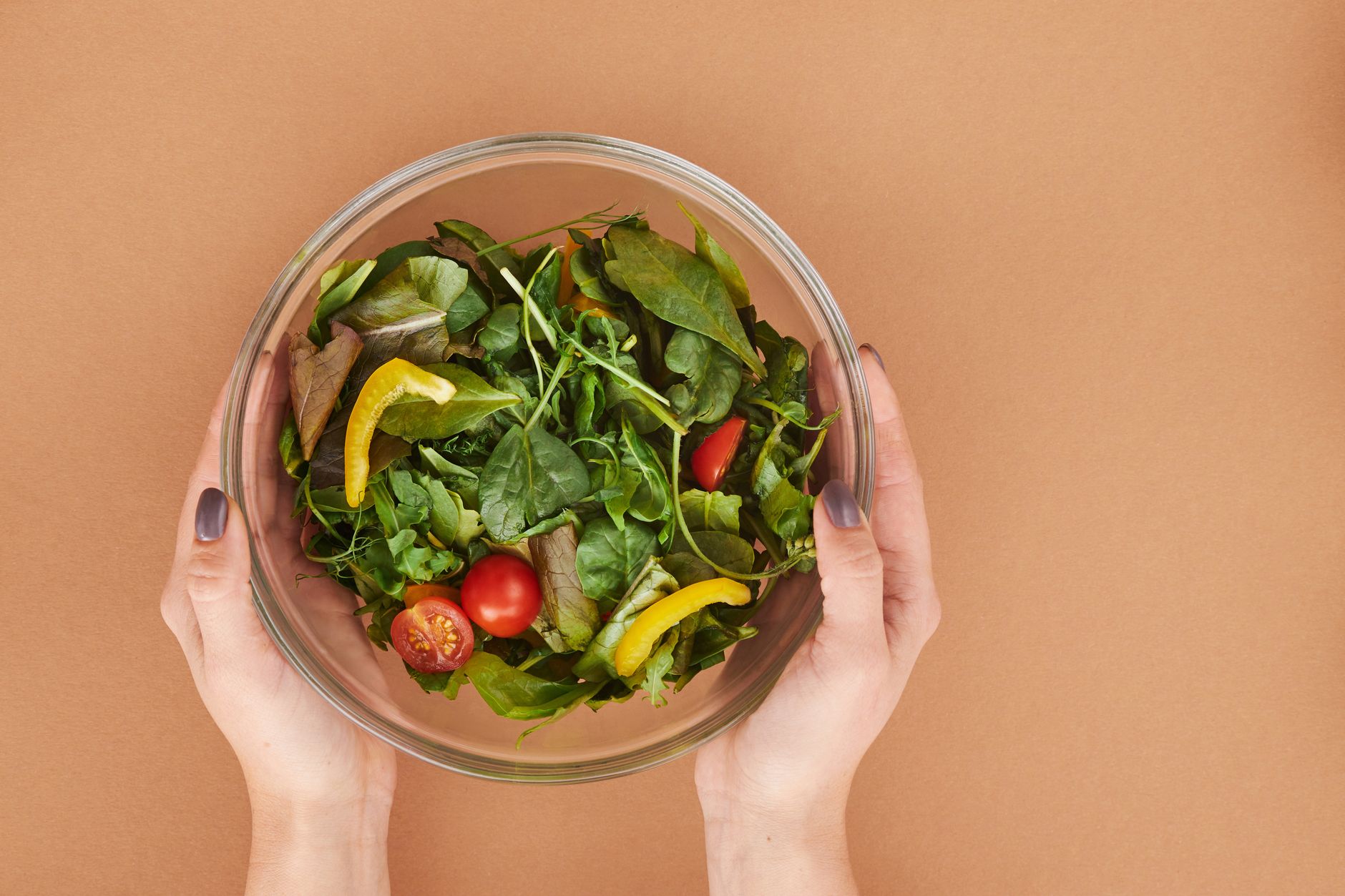
To promote better health, experts recommend focusing on reducing unhealthy fats while incorporating healthier options. Suggested dietary changes include swapping fatty cuts of meat for lean proteins, choosing cooking methods like grilling or steaming instead of deep-frying, and increasing the intake of fiber-rich foods.
Ultimately, while the study adds a valuable piece to the puzzle of diet and cancer risk, maintaining a balanced diet rich in nutrient-dense foods is crucial for overall health. Both Perelman and Thanki emphasize that dietary habits established early in life can have lasting health implications, reinforcing the need for healthier eating patterns to reduce the risk of chronic diseases, including colorectal cancer.