Pesticides in Healthy Foods Linked to Higher Lung Cancer Risk in People Under 50
Recent research suggests that young non-smokers who consume a greater amount of fruits, vegetables, and whole grains may have an increased risk of developing lung cancer compared to the general population. This study, conducted by researchers at the University of Southern California (USC), presented its findings at the annual meeting of the American Association for Cancer Research, sparking significant interest in the potential implications of dietary choices on lung health.
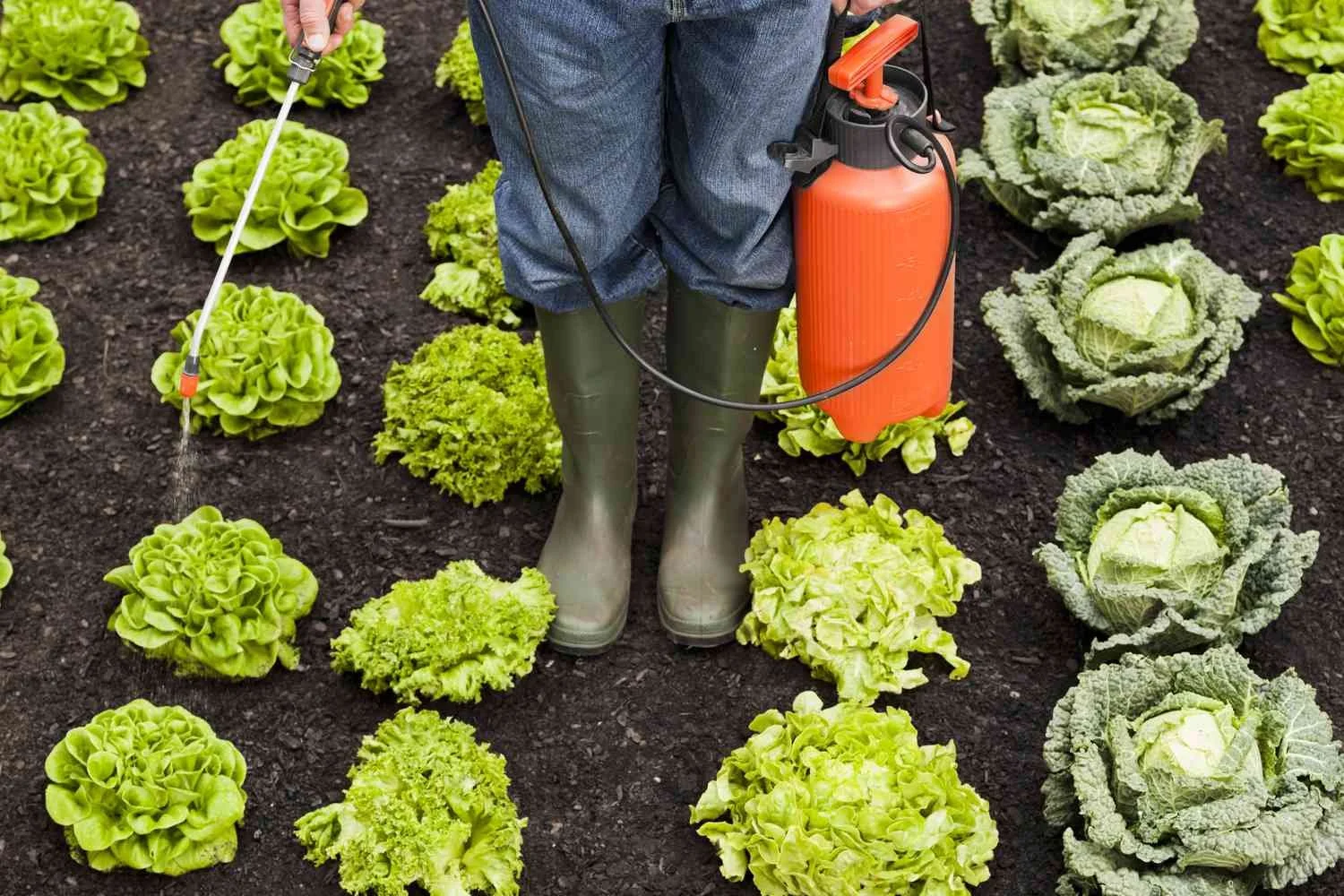
Although the study has not yet been published in a peer-reviewed journal, the researchers theorize that the association may be linked to pesticide use in the agricultural production of these foods. Dr. Jorge Nieva, a medical oncologist and lung cancer specialist at USC Norris, noted that the findings raise important questions about environmental risk factors that could be contributing to the increasing rates of lung cancer among younger individuals, particularly those who do not smoke.
The study examined 187 lung cancer patients diagnosed before the age of 50, most of whom reported never having smoked. The researchers utilized the Healthy Eating Index, which assesses diet quality, to compare the eating habits of these patients with those of the general U.S. population. The results revealed that the lung cancer patients had a higher average Healthy Eating Index score of 65, indicating a healthier diet compared to the national average score of 57. Notably, women in this group scored higher than men, reflecting greater consumption of healthy foods.
While the findings are alarming, experts caution against hastily concluding that fruits, vegetables, and whole grains should be avoided. Melissa Mroz-Planells, a registered dietitian, emphasized that the study’s small sample size does not establish a cause-and-effect relationship. She urged individuals to maintain a diet rich in plant foods, which have been consistently linked to lower cancer risks.
The researchers pointed out that conventionally grown fruits and vegetables often contain higher levels of pesticides compared to processed foods and animal products. Previous studies have already established a link between pesticide exposure and increased lung cancer rates among agricultural workers, further supporting the hypothesis of this study.
Despite the troubling trend of rising lung cancer rates among young non-smokers, particularly women, experts stress the importance of ongoing research to better understand the underlying causes. The study’s authors plan to explore this link further by measuring pesticide levels in the blood and urine of lung cancer patients.
In light of these findings, healthcare professionals recommend practical measures to reduce pesticide exposure, such as thoroughly washing produce before consumption. Clinical oncology dietitian Amy Bragagnini suggests rinsing fruits and vegetables under cold water to help remove pesticides and other contaminants.
While this research highlights potential environmental risks, it is crucial to recognize the overall health benefits of consuming fruits and vegetables. As the investigation into the connection between diet, pesticides, and lung cancer continues, maintaining a balanced diet remains a key component of overall health and well-being.