Root-to-Tip Eating: Boost Your Fiber Intake by Using Scraps
In an effort to enhance dietary fiber consumption and reduce food waste, health experts are spotlighting the benefits of “root-to-tip” eating. This approach promotes the consumption of typically discarded parts of fruits and vegetables, including peels, skins, seeds, and stalks, which can contain significantly more fiber than the edible portions most people are accustomed to.
Recent research from King’s College London examined 12 types of produce and found that the fiber content in these overlooked components can be up to five times higher than that of the commonly eaten parts. For instance, watermelon rind offers about 2.1 grams of fiber per 100 grams, while the flesh provides only around 0.6 grams. In another example, butternut squash skins and seeds contain 9.25 grams of fiber per 100 grams, compared to just 2 grams in the flesh.
Despite the clear benefits, a staggering 95% of adults in the United States fail to meet the recommended daily fiber intake of 25 to 30 grams. Additionally, approximately one-fifth of global food production is wasted each year. This highlights not only the potential health benefits of increasing fiber consumption but also the environmental impact of food waste.
The study, published in the *International Journal of Food Sciences and Nutrition*, identified various fruits and vegetables suitable for root-to-tip consumption. Items such as beetroot, bell pepper, broccoli, and kiwi are among those recommended. While many participants in focus groups recognized the nutritional advantages of this approach, they also acknowledged sustainability as a motivating factor.
Dietitian Kristin Kirkpatrick advises individuals to explore safe and simple ways to incorporate more fiber into their diets. Suggestions include leaving the skins on apples and kiwis, using broccoli stalks in stir-fries, and saving vegetable trimmings for homemade broth. It is essential to wash produce thoroughly and research any new plant parts before consumption.
Fiber is crucial for long-term health, aiding in the prevention of chronic diseases such as cardiovascular issues, type 2 diabetes, and colorectal cancer. It plays a vital role in regulating blood sugar levels and supporting beneficial gut bacteria. Experts note that many individuals fall short of their fiber needs due to a diet lacking in whole foods, primarily consuming processed items that are low in fiber.
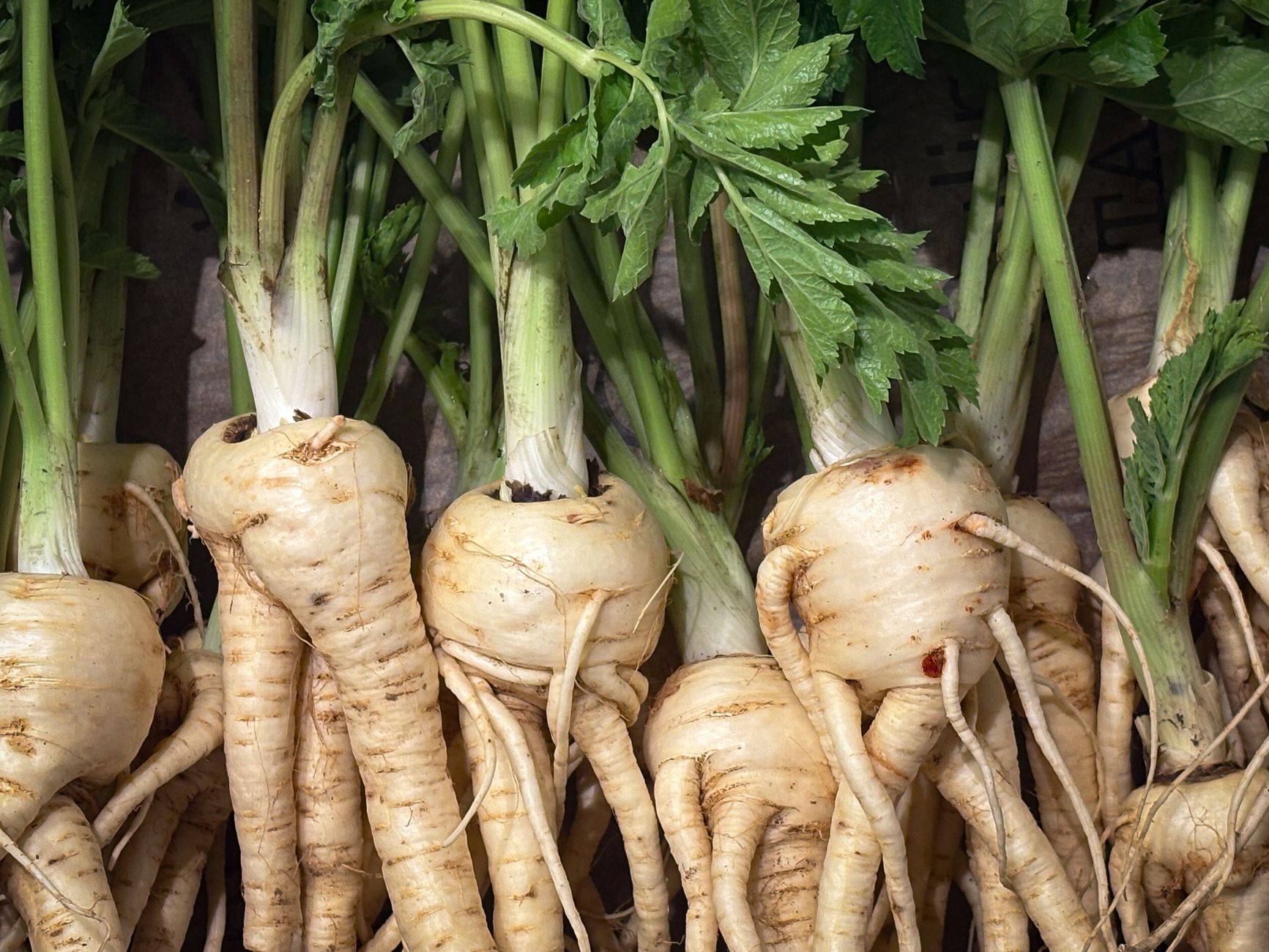
To safely adopt root-to-tip eating, Kirkpatrick recommends starting with small changes. For example, consider adding kiwi peels to your meals or using carrot tops in cooking. This practice not only maximizes the nutritional value of food but also promotes environmental sustainability by minimizing waste.
Overall, root-to-tip eating offers a practical way to enhance dietary fiber intake while contributing to a more sustainable food system. By exploring these often-overlooked food parts, individuals can improve their health and reduce their environmental footprint simultaneously.