Zade Dirani Brings Cleveland an Unforgettable Evening of Music and Love for Lebanon
The pianist’s October 1 concert celebrated Lebanon, while a private gathering with Pierre Bejjani revealed his deep affection for the country and reverence for Saint Charbel.
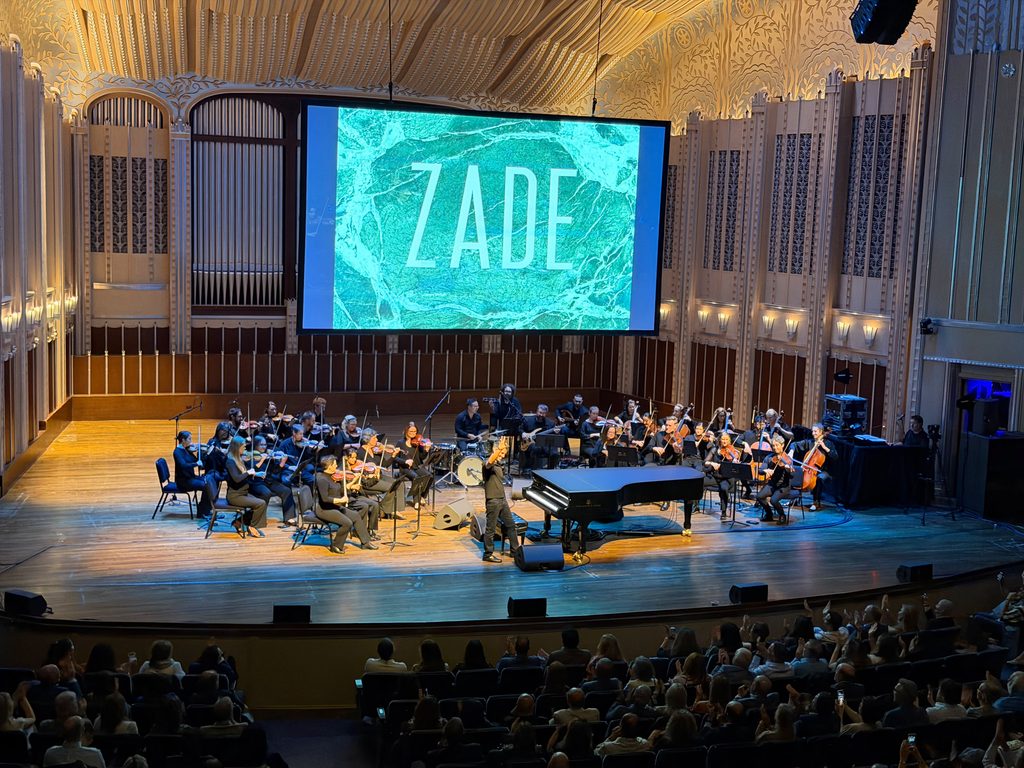
CLEVELAND, October 2, 2026 — Pianist and composer Zade Dirani brought music, emotion and a heartfelt celebration of Lebanon to Cleveland on Thursday evening, delivering a performance that deserves a place among the city’s finest concerts in recent memory. Held at Mandel Concert Hall at Severance Music Center, the October 1 concert offered an evening whose significance extended beyond the stage.
At the heart of the performance was a connection to Lebanon. Through multiple selections celebrating the country, Dirani made his affection for Lebanon a defining theme of the evening. These musical tributes gave the concert a personal character, bringing together artistic expression and an unmistakable love for a country whose cultural influence reaches far beyond its borders.
For Cleveland’s Lebanese community, that focus carried particular meaning. Music has long helped families living abroad preserve their connection to home, carrying memories, traditions and a sense of belonging across generations. By giving Lebanon such a prominent place in his performance, Dirani offered a reminder of how powerfully an artist can sustain that connection.
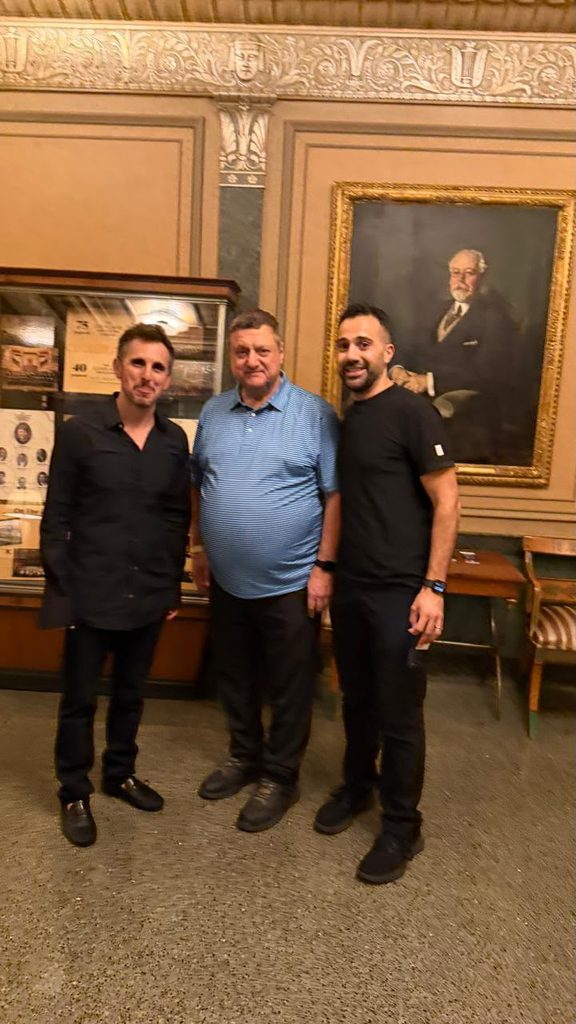
The evening’s significance also emerged in a private gathering with Pierre Bejjani, our editor in chief and chairman of CAMEO Cleveland. During their meeting, Dirani expressed his deep love and respect for Lebanon, as well as his reverence for Saint Charbel. His remarks added a personal dimension to the musical tributes presented during the concert.
The conversation provided a revealing companion to the performance. On stage, Dirani celebrated Lebanon through music; in the private gathering, he expressed that affection directly. Together, those moments gave a fuller picture of the regard in which he holds the country and its spiritual heritage.
His reference to Saint Charbel was especially meaningful within that expression of respect. It brought faith into a conversation already rooted in affection for Lebanon, underscoring that his attachment encompasses more than the country’s music and cultural identity. It also embraces a spiritual tradition that holds a deeply personal place in the lives of many Lebanese families.
Dirani’s international career provides a broader context for this ability to connect across cultures. A Billboard-charting pianist and composer, he has performed at UNESCO headquarters and for prominent world figures. His collaborations include work with pianist Richard Clayderman and London’s Royal Philharmonic Orchestra, reflecting an artistic approach that crosses musical traditions and national boundaries.
In Cleveland, however, the most compelling story was the personal message running through the evening. Lebanon was a recurring presence in the program, giving the concert a clear emotional center. The selections celebrating the country connected the performance to themes of home, heritage and enduring attachment—subjects that can speak as strongly to a community abroad as they do to those living in their homeland.
The meeting with Bejjani extended that connection beyond the concert hall. As both our editor in chief and chairman of CAMEO Cleveland, Bejjani received an expression of affection that will carry particular resonance among readers and community members with ties to Lebanon.
Cleveland has a distinguished musical life, and an exceptional concert must offer something that remains meaningful after the performance ends. Dirani’s evening supplied that lasting quality through its union of artistry and personal conviction. It was a memorable celebration of music’s ability to bring a distant country close—and a heartfelt tribute to Lebanon, its people and the faith that continues to inspire so many of them.