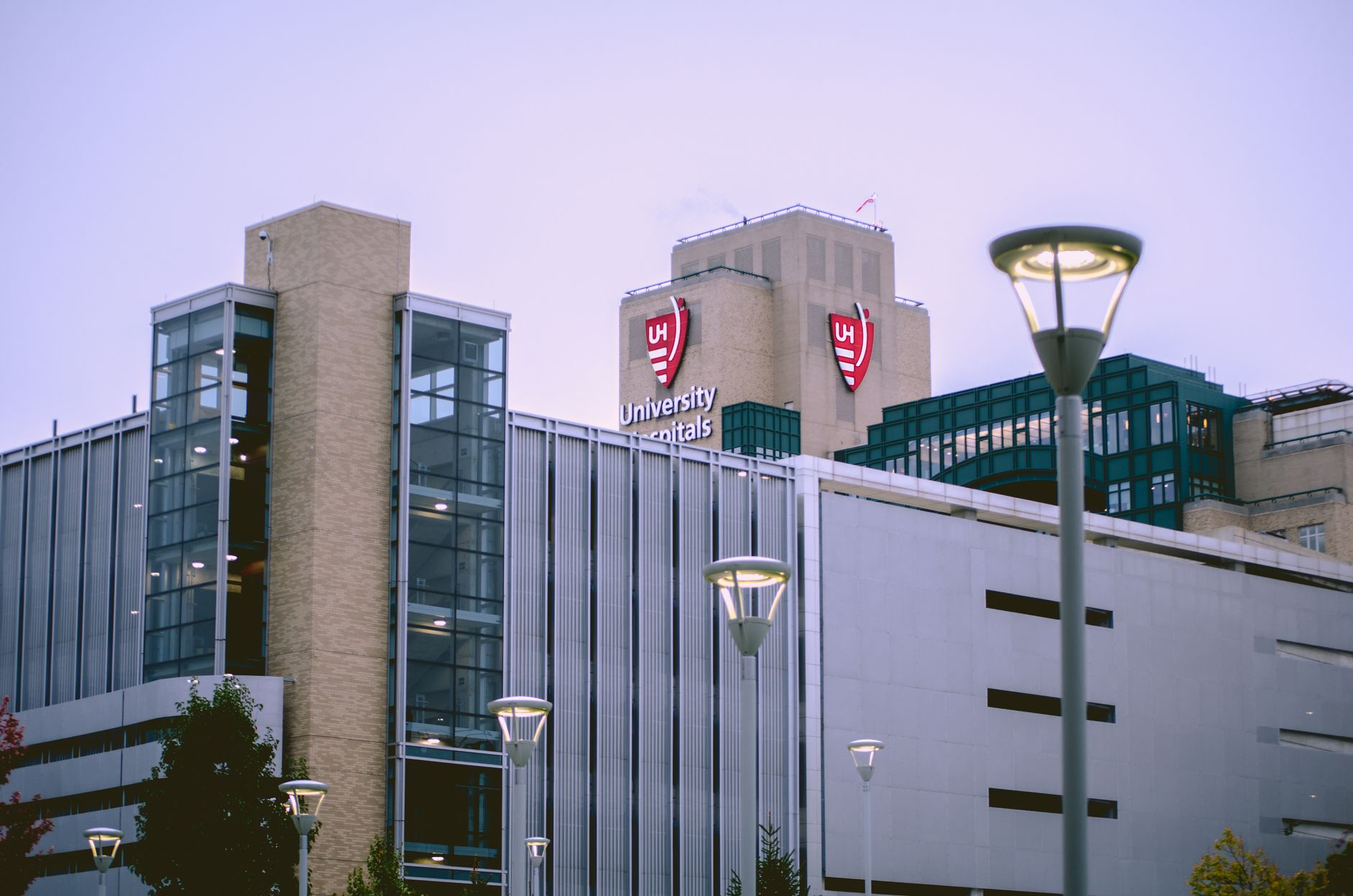
Cleveland Approves University Hospitals’ Demolition Plan for Residential Properties
In a significant move, the Cleveland Planning Commission has granted approval for University Hospitals to proceed with its plan to demolish a dozen residential homes located on a single street. This decision is part of a broader strategy by the healthcare institution to expand its operations, potentially paving the way for a new parking facility or medical building in the future.
The homes earmarked for demolition are situated in close proximity to University Hospitals’ existing facilities. The Commission’s approval comes after a thorough review of the proposal, which highlighted the need for additional space to accommodate the growing demands of the healthcare provider. University Hospitals has emphasized that the redevelopment is crucial for enhancing its service capabilities and improving patient access.
City officials and community members have expressed a mix of reactions to the decision. Supporters of the plan argue that the renovation and expansion of healthcare facilities are essential for meeting the needs of Cleveland’s residents. They maintain that the proposed changes will ultimately benefit the community by providing improved healthcare services and greater accessibility.
However, not everyone is in favor of the demolition. Some residents have voiced concerns about the loss of homes that have been part of the neighborhood for many years. They highlight the emotional and historical value of these properties and worry about the impact of such developments on the community’s character. In response to these concerns, University Hospitals has stated that it plans to engage with local stakeholders to ensure that the redevelopment aligns with the interests of the community.
As part of the approval process, the Planning Commission has stipulated that University Hospitals must adhere to certain guidelines to mitigate the impact of the project. This includes provisions for traffic management and noise control during the demolition and construction phases. The Commission is advocating for a balanced approach that takes into consideration both the needs of the healthcare provider and the concerns of the surrounding community.
The timeline for the demolition and subsequent development has not yet been finalized. University Hospitals is expected to release more detailed plans in the coming months, including designs for the proposed parking or medical facilities. As the project moves forward, residents and local officials will be keeping a close eye on how the changes unfold.
In summary, the Cleveland Planning Commission’s approval marks a pivotal moment for University Hospitals as it seeks to enhance its infrastructure. While the decision opens the door for new developments, it also underscores the ongoing dialogue between healthcare expansion and community preservation in Cleveland.