Smithsonian Under Scrutiny: The Cultural Clash of the Trump Era
In a striking reflection of the ongoing cultural battles in the United States, the Smithsonian Institution has found itself at the center of controversy during the Trump administration. This iconic network of museums and research facilities, revered for its dedication to preserving and showcasing American history and culture, is now navigating an increasingly hostile environment influenced by political pressures.
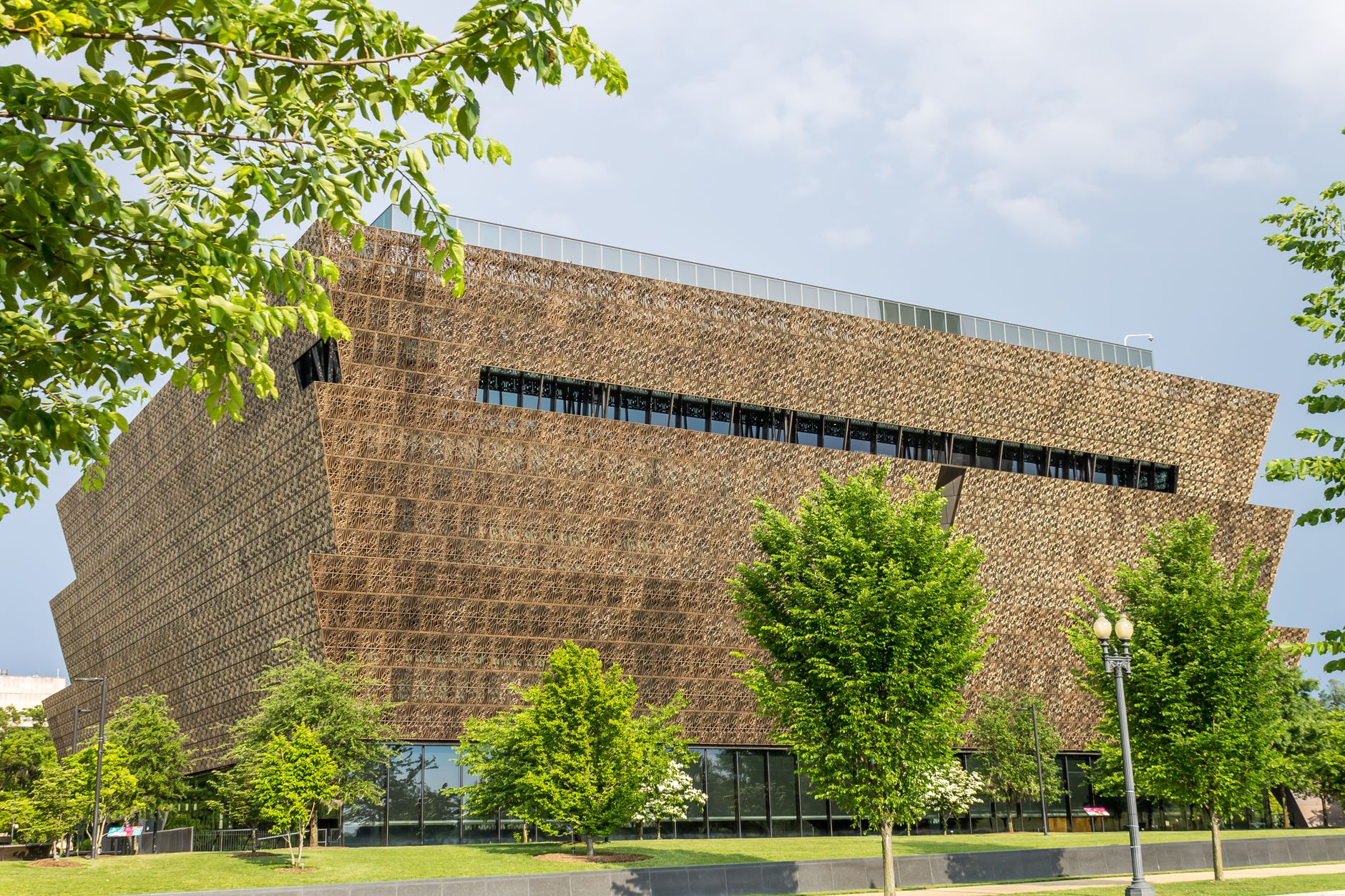
The Smithsonian, which includes renowned museums such as the National Museum of American History and the National Museum of African American History and Culture, has faced scrutiny over its exhibitions and educational programs. Critics argue that some of the content presented at these institutions challenges the narrative of American exceptionalism that has been championed by the Trump administration. This clash has led to heightened tensions between the institution and federal officials, specifically over how history and culture are interpreted and displayed.
A significant point of contention has been the portrayal of historical figures and events, particularly those related to race, inequality, and social justice. The Smithsonian’s efforts to present a more nuanced view of American history, which includes acknowledging the complex and often painful realities of racism and colonialism, have drawn the ire of some political leaders. In response, officials have pressured museum curators to adjust their displays and educational materials to align more closely with a conservative viewpoint.
Supporters of the Smithsonian argue that its mission is to foster understanding and dialogue about the diverse tapestry of American experiences. They contend that the institution’s work is essential for educating the public about the past in a way that is honest and reflective of all voices. This perspective is especially important in a time when misinformation and divisive narratives can easily take root in public discourse.
The Smithsonian has defended its approach, emphasizing its commitment to academic integrity and the importance of presenting all facets of history. Museum leaders argue that their exhibitions are grounded in research and scholarship, aiming to provoke thought and discussion rather than to promote a single narrative. This stance has led to clashes with political figures who seek to influence how history is taught and remembered.
As the Smithsonian continues to navigate these turbulent waters, it remains a critical platform for cultural exchange and understanding. The institution’s ongoing efforts to balance its educational mission with external pressures highlight the broader challenges facing cultural institutions in an era marked by intense political polarization. The outcome of this struggle could have lasting implications not only for the Smithsonian but also for how history is preserved and interpreted in America.
In this evolving landscape, the Smithsonian stands as a testament to the enduring power of culture and education in shaping a more inclusive society. As debates about identity, heritage, and historical memory intensify, the role of institutions like the Smithsonian has never been more crucial.