New Resistance Training Guidelines Emphasize Consistency for Better Strength Gains
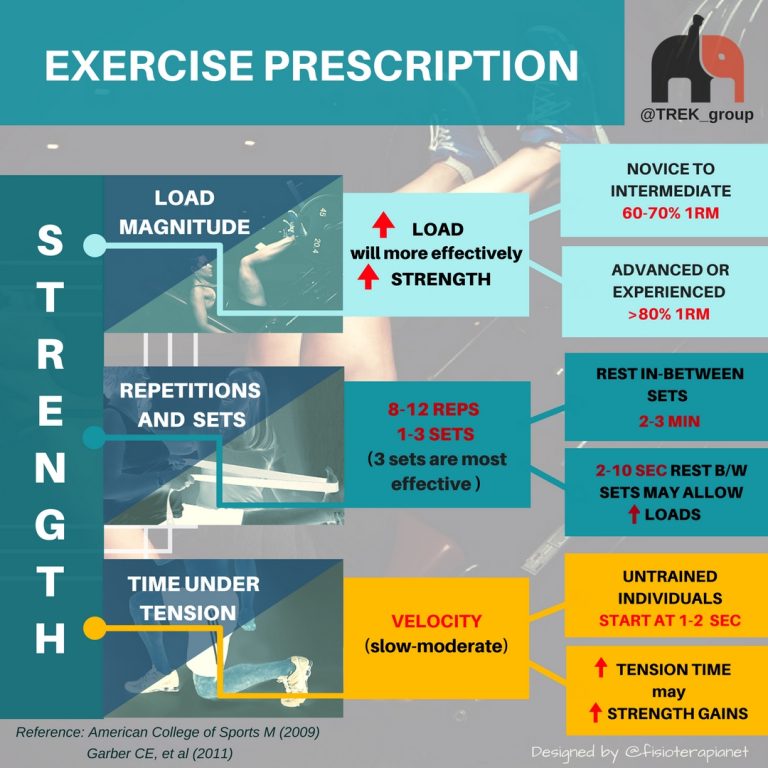
Recent recommendations from the American College of Sports Medicine (ACSM) highlight that consistency, rather than complexity, is the most important factor for achieving results in resistance training. These updated guidelines suggest that individuals do not need an elaborate or perfect workout plan to improve muscle strength and overall health. Instead, sticking to a regular routine, even with simple exercises, can lead to meaningful benefits.
A comprehensive review of various strength training methods found that at-home workouts using body weight or minimal equipment are just as effective as traditional, gym-based resistance programs. This means that people can build muscle, enhance functional fitness, and support long-term wellness without investing in expensive machines or following complicated regimens. The key is making strength training a regular part of one’s lifestyle rather than focusing on the specific details of each session.
Resistance training has long been recognized for its ability to boost muscle mass, improve bone density, and support metabolic health. The new guidelines reinforce these advantages and stress that incorporating strength exercises into a weekly routine can improve everyday functions such as lifting, carrying, and maintaining balance. This is especially important for older adults and those managing chronic conditions, as consistent resistance training helps preserve independence and quality of life.
Experts advise aiming for at least two sessions of resistance training per week, with exercises targeting major muscle groups. These workouts can be as simple as push-ups, squats, or using resistance bands. The emphasis should be on maintaining a steady schedule and gradually increasing the intensity or volume over time to continue making progress. By focusing on consistency, individuals are more likely to stick with their workouts and see stronger, lasting results.
In summary, the latest resistance training guidelines shift the focus from complicated routines to the importance of regular practice. This approach makes strength training more accessible and manageable for people of all ages and fitness levels. By prioritizing consistency, individuals can improve their physical health, support daily function, and enjoy the long-term benefits of a stronger body.