Israel Expands Ground Operations in Lebanon Following Airstrikes on Key Infrastructure
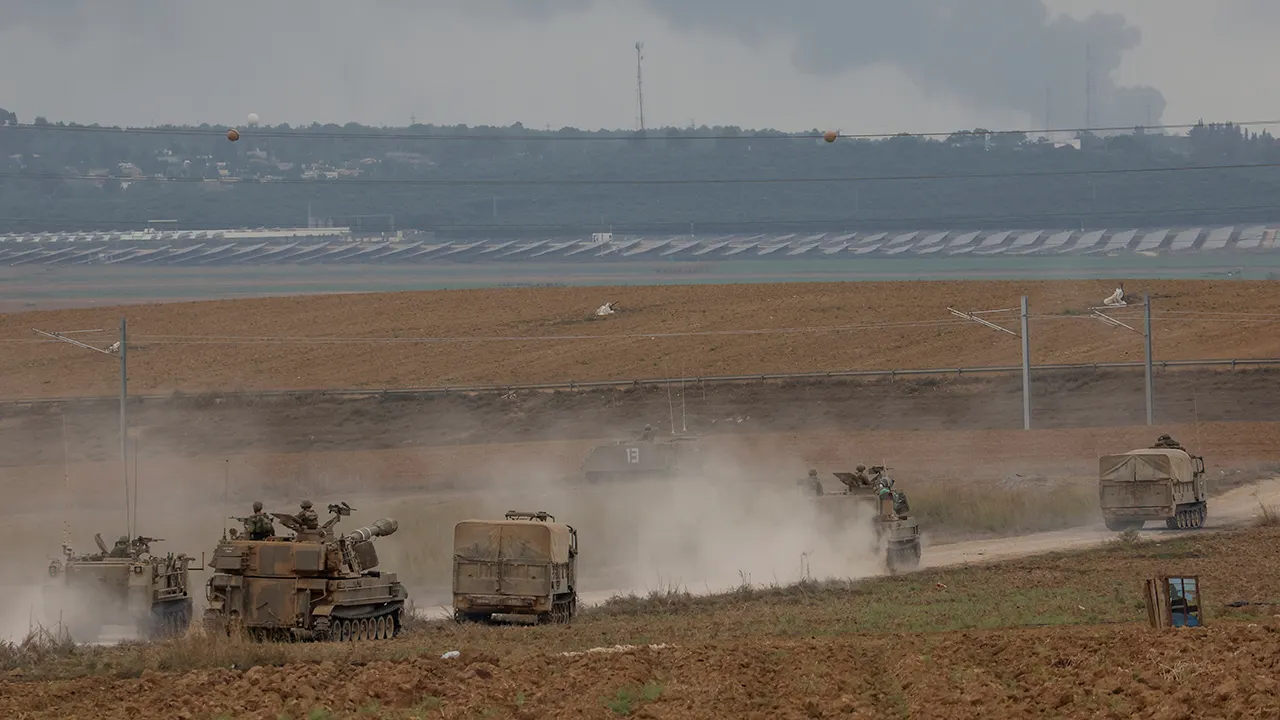
The Israeli military has announced an escalation of its ground operations against Hezbollah in southern Lebanon, signaling the potential for a protracted conflict. This development comes in the wake of recent airstrikes targeting significant infrastructure, including bridges that Israeli officials allege are utilized by Hezbollah militants to facilitate movement across the Litani River.
Israeli forces conducted airstrikes on Sunday, destroying bridges deemed vital for Hezbollah’s logistics and operations. The military’s actions are framed as a response to ongoing threats from the Iran-backed group, which Israel accuses of conducting cross-border attacks. The Israeli Defense Forces (IDF) stated that the operations aim to degrade Hezbollah’s operational capabilities in the region.
In response to these military actions, Lebanese officials have condemned Israel’s activities as blatant violations of Lebanese sovereignty. The Lebanese government has expressed deep concerns regarding the escalation of hostilities, calling for international intervention to prevent further aggression. Lebanese media have reported extensive Israeli airstrikes in the southern regions, with local witnesses describing scenes of destruction and chaos.
An AFP journalist in the area reported witnessing thick smoke rising from a bridge just outside the city of Tyre, underscoring the intensity of the strikes. The bridge, along with others targeted, is believed to be crucial for the movement of Hezbollah forces, which has heightened tensions in an already volatile region.
Israeli Prime Minister Benjamin Netanyahu has characterized the operation as necessary for national security, asserting that the military will continue its efforts until Hezbollah’s capabilities are sufficiently diminished. He emphasized that the operations may take longer than initially anticipated, suggesting that the conflict could extend into a prolonged engagement.
The situation has drawn international attention, with various parties urging restraint and a return to dialogue. The United Nations has called for both sides to exercise caution and avoid actions that could lead to a wider conflict. Diplomatic channels are being explored to address the rising tensions between Israel and Lebanon, with the hope of preventing further escalation.
As the situation develops, community leaders and organizations representing Arab-Americans are closely monitoring events, advocating for peaceful solutions and the protection of civilians affected by the ongoing conflict. Many are expressing concern over the humanitarian implications of the military actions, emphasizing the need for a comprehensive approach to address the underlying issues fueling the violence in the region.
The unfolding crisis highlights the fragile security landscape in Lebanon, where political instability and the presence of armed groups like Hezbollah complicate the dynamics of the Israeli-Lebanese relationship. The international community continues to seek avenues for de-escalation, but the path forward remains uncertain as both sides prepare for a potentially extended confrontation.