Vance Highlights Progress in U.S.-Iran Talks
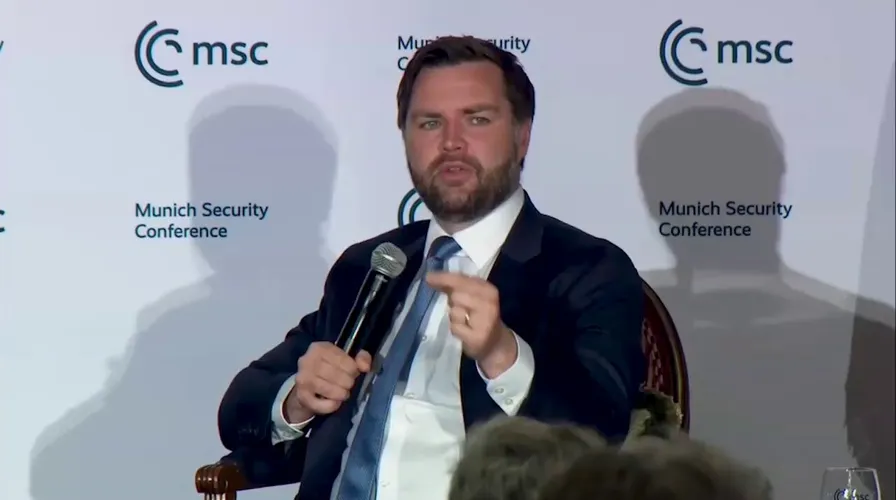
In a recent interview, U.S. Vice President JD Vance indicated that significant advancements have been made in negotiations between the United States and Iran. During his appearance on Fox News’ “Special Report” with Bret Baier, Vance addressed the ongoing diplomatic efforts aimed at fostering stability in the region.
When asked about the potential for further discussions, Vance suggested that the next steps depend on Iran’s willingness to engage. “The ball is in Iran’s court,” he stated, emphasizing that the U.S. is prepared to move forward based on Iran’s actions. This comment underscores the delicate balance of diplomacy, where each side’s willingness to compromise can significantly influence the trajectory of negotiations.
Vance specifically mentioned the importance of Iran’s role in opening the Strait of Hormuz, a vital maritime corridor through which a substantial portion of the world’s oil supply is transported. He warned that the nature of the negotiations could shift if Iran does not demonstrate progress in this area. The Strait of Hormuz has long been a focal point of geopolitical tension, and any developments regarding its accessibility are likely to have far-reaching implications not just for regional stability, but for global energy markets as well.
The Vice President’s remarks come as part of a broader strategy by the Biden administration to engage in diplomatic dialogues with Iran, particularly following a period of heightened tensions. The discussions are aimed at addressing various issues, including Iran’s nuclear program and its regional influence, which have been sources of concern for both the U.S. and its allies.
The evolving situation is being closely monitored by international observers, as the outcome of these negotiations could redefine U.S.-Iran relations and impact the broader Middle East. The U.S. administration has made clear its intention to pursue diplomatic avenues rather than resorting to military action, which has historically been a point of contention in U.S. foreign policy.
As talks continue, the international community remains hopeful that constructive dialogue will lead to a de-escalation of tensions. Vance’s comments reflect a cautious optimism, suggesting that both sides might be willing to explore avenues for cooperation. However, the response from Iran will be critical in determining the future of these discussions.
In conclusion, while progress has been made in U.S.-Iran talks, the path ahead remains uncertain. The outcome will depend heavily on Iran’s responses and actions in the coming weeks, particularly regarding key issues such as the Strait of Hormuz. As these negotiations unfold, the global community will be watching closely, hoping for a resolution that promotes peace and stability in the region.