Global Fertilizer Crisis Linked to Iran Conflict Raises Concerns for Future Grain Harvests
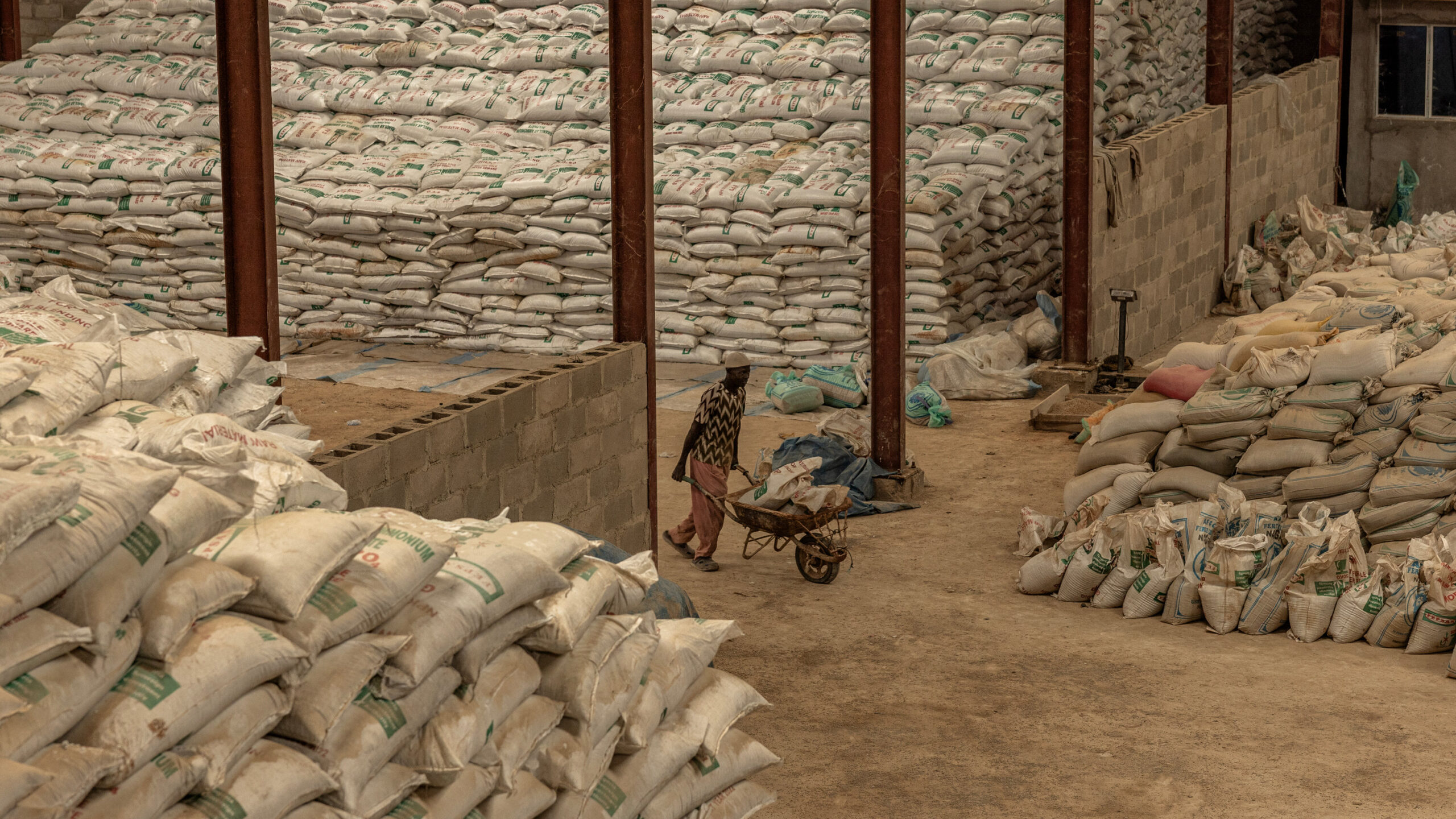
Farmers worldwide are grappling with a significant increase in fertilizer prices, marking the second surge in just four years, largely attributed to ongoing tensions in Iran. This spike poses a serious threat not only to agricultural planning but also to global food production, as many farmers reconsider their planting strategies amidst rising costs.
The Middle East is a crucial hub for fertilizer production, with a substantial portion of the global supply passing through the Strait of Hormuz. Currently, the conflict in Iran has severely disrupted this vital trade route, leading to delays and shortages that are felt far beyond the region. As operations come to a standstill, the repercussions are extending to farmers in regions that rely on imports for their fertilizer needs.
In the face of escalating prices, many farmers are facing a challenging decision. Historically, elevated grain prices could help offset the costs of fertilizers; however, this time the opposite is true. Current grain prices are too low to provide adequate cushion against the soaring fertilizer expenses, compelling farmers to rethink their planting plans. This shift could have dire implications for next year’s grain harvests, potentially leading to reduced yields and increased food insecurity globally.
Experts warn that the timing of this crisis is particularly concerning. As farmers prepare for the upcoming planting season, uncertainties regarding fertilizer availability and pricing are creating a climate of hesitation. This could lead to reduced acreage being planted, especially in regions where farmers are already struggling with tight margins. The longer the conflict persists, the more acute the challenges will become.
The implications of a fertilizer squeeze are manifold. Reduced agricultural output can lead to higher food prices, exacerbating the already pressing issue of food inflation in many countries. For communities that are heavily dependent on agriculture, this could mean increased difficulty in accessing essential food supplies, further straining resources for vulnerable populations.
As the situation continues to evolve, many are calling for international dialogue and intervention to stabilize the fertilizer supply chain. Solutions may include diversifying fertilizer sources and exploring alternative methods to enhance soil productivity. However, the immediate focus remains on the impact of the ongoing conflict in Iran, which continues to reverberate throughout global agricultural markets.
In summary, the fertilizer crisis linked to the Iran conflict is a pressing issue that could have far-reaching effects on next year’s grain harvests. As farmers navigate this turbulent landscape, the agricultural sector and policymakers must work collaboratively to mitigate the risks and ensure food security for communities worldwide.