Iran’s Revolutionary Guards Reveal New Map of Strait of Hormuz Control
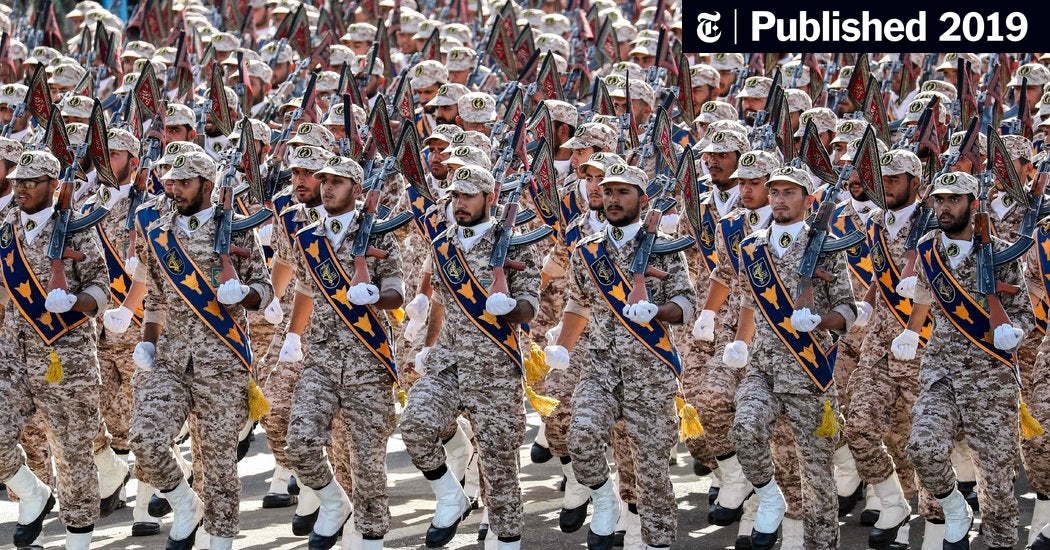
In a recent announcement, Iran’s Revolutionary Guards Navy has presented a new map outlining the region of the Strait of Hormuz that they assert is under their control. This development was reported by state media, highlighting the ongoing strategic significance of this critical waterway.
The newly released map delineates a specific area that stretches from the westernmost tip of Qeshm Island in Iran to the emirate of Umm al-Quwain in the United Arab Emirates. On the eastern side, the claimed area extends to a line connecting Mount Mobarak in Iran with the emirate of Fujairah in the UAE. This strategic region is crucial for global oil transportation, as the Strait of Hormuz is one of the world’s most vital maritime chokepoints, with a significant percentage of the world’s oil supply passing through it.
While the announcement underscores the Iranian military’s focus on asserting its influence in the region, the specifics regarding any changes to their previously defined boundaries remain unclear. Analysts are watching closely to understand the implications of this new declaration, particularly in the context of heightened tensions in the Gulf and the ongoing geopolitical struggles in the area.
The Revolutionary Guards have a history of asserting their presence in the Strait of Hormuz, often engaging in naval exercises and showcasing their military capabilities. The announcement of the new map may be interpreted as a signal of Iran’s persistent commitment to maintaining control over this strategic waterway, especially amid concerns regarding maritime security and regional stability.
Tensions in the Gulf have been exacerbated in recent years by various incidents involving military confrontations, drone attacks, and threats to shipping lanes. The United States and its allies have often criticized Iran’s actions in the region, leading to a series of sanctions and military deployments aimed at countering Iranian influence.
As regional dynamics evolve, the implications of Iran’s latest claims in the Strait of Hormuz will likely be closely monitored by international observers. The situation remains delicate, with potential repercussions for both regional neighbors and global energy markets.
In the face of these developments, diplomatic efforts to de-escalate tensions in the Gulf are ongoing. Various nations are advocating for dialogue to address security concerns and avoid further conflict in a region already fraught with complexities. The revelation of the new map by the Revolutionary Guards adds another layer to an already intricate geopolitical landscape, underscoring the importance of continued vigilance and international cooperation in ensuring maritime security.