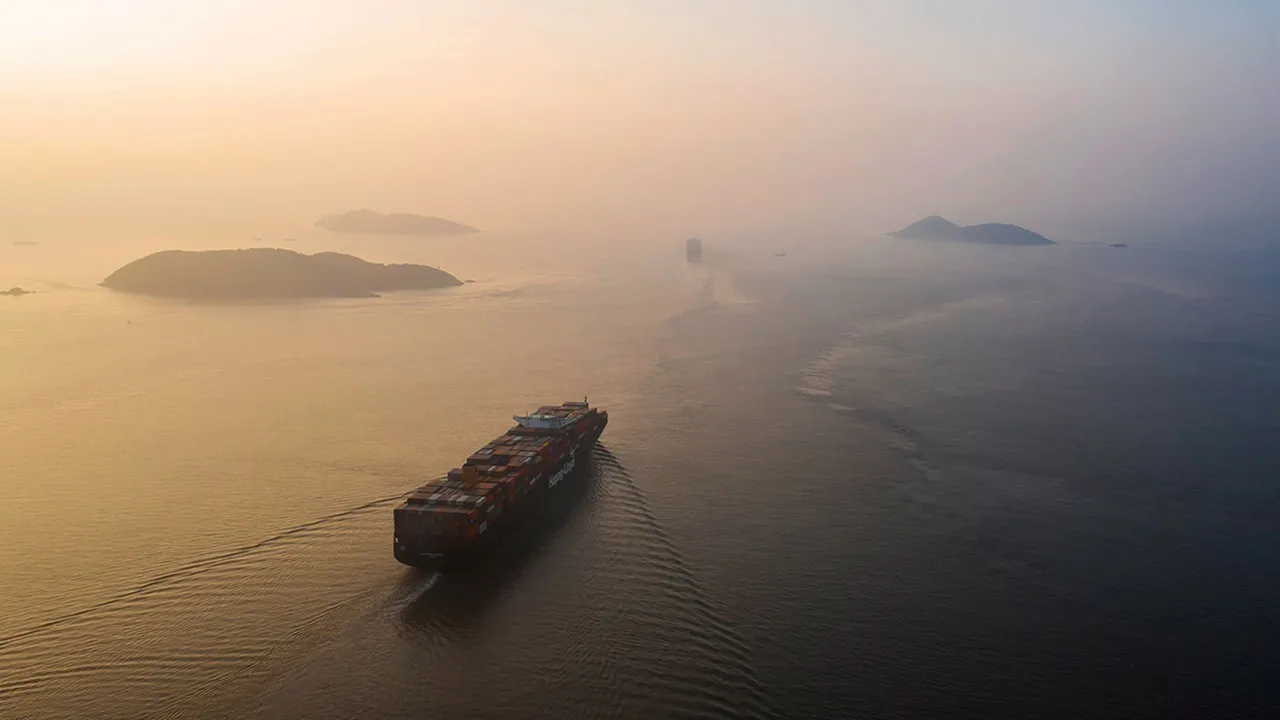
Most Shipping Traffic in the Strait of Hormuz Remains Stagnant Despite US Commitment
Shipping activity in the Strait of Hormuz, a vital waterway for global oil transportation, continues to show little sign of improvement, even following a recent pledge from the United States government to enhance maritime security in the region. Observations from Monday indicated that only a handful of vessels, including a sanctioned liquefied petroleum gas (LPG) carrier and a few cargo ships, navigated through this crucial passage.
The Strait of Hormuz is a strategic chokepoint through which approximately 20% of the world’s oil supply transits. Despite U.S. President Donald Trump’s announcement on Sunday regarding measures to bolster shipping security, vessel traffic remained at a standstill. According to data from MarineTraffic, the only noteworthy movement was that of a single LPG carrier and a limited number of cargo ships and cable-laying vessels.
The stagnation of maritime traffic in this significant waterway raises concerns among global shipping companies and oil markets alike. The situation reflects the ongoing tensions in the region, which have raised apprehensions about the safety of vessels and the potential for confrontation. The U.S. has historically played a role in securing maritime routes, and Trump’s recent comments aimed to reassure traders and shipping companies about the safety of their operations.
Industry analysts suggest that the hesitation among shipping firms to increase their presence in the Strait of Hormuz could be attributed to various factors, including geopolitical tensions and the implications of new sanctions. The international shipping community is closely monitoring developments, as the Strait is not only crucial for oil transport but also for the overall stability of energy markets.
As the U.S. commits to addressing the security challenges in the region, the effectiveness of these measures will be critical in restoring confidence among shipping lines. The reluctance to navigate through the Strait of Hormuz may persist until there is a clear and tangible reduction in the perceived threats to maritime traffic.
In light of the current conditions, stakeholders in the shipping industry are advocating for enhanced diplomatic efforts to de-escalate tensions and ensure safe passage through this vital corridor. For now, the situation remains fluid, and the outlook for increased shipping traffic in the Strait of Hormuz remains uncertain as both regional and global factors continue to play a significant role in the dynamics of maritime trade.