Deadly Disasters in the Himalayas: A Decade of Tragedy
Recent catastrophic events in the Himalayan region have once again highlighted the vulnerabilities faced by communities living in this breathtaking yet perilous landscape. A significant flash flood occurred on August 26, resulting in the loss of at least nine lives in the border areas of Nepal and Tibet. This disaster led to extensive destruction, as entire villages were washed away and vital infrastructure, including roads, bridges, and power projects, suffered severe damage. Authorities are concerned that the death toll may rise as rescue operations continue.
The Himalayan region has experienced a series of deadly disasters over the past twelve years, prompting discussions about the underlying causes, including climate change and unregulated development. These events have raised alarms among environmentalists and local communities alike, as they seek to understand the implications of human activities on natural disaster frequency and severity.
In August 2025, four individuals lost their lives due to sudden flooding and landslides in Uttarakhand, India. The region, known for its steep terrain and heavy rainfall, has consistently been susceptible to such disasters. Just a year earlier, in September 2024, another tragic incident claimed numerous lives when heavy rains triggered landslides in the same state, emphasizing the ongoing risk faced by residents.
In 2021, the Himalayan region was struck by a devastating flash flood in Uttarakhand that resulted in the deaths of over 50 people. The flood was attributed to the rapid melting of glaciers, a phenomenon increasingly linked to climate change. This event served as a stark reminder of the precarious balance between nature and human activity, as developmental projects in fragile ecosystems often exacerbate the impact of extreme weather events.
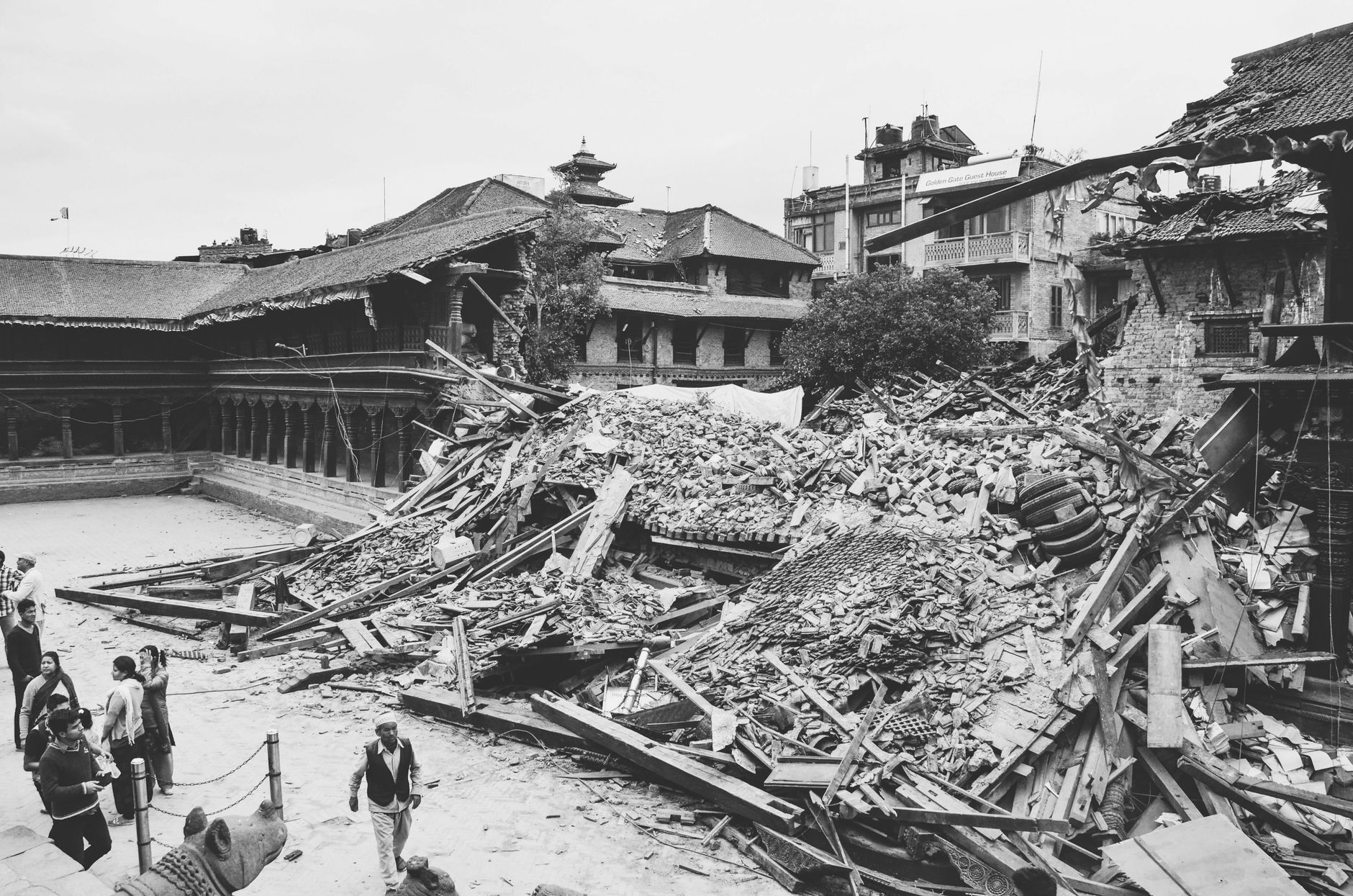
Earlier disasters, such as the earthquake that struck Nepal in 2015, have also contributed to a growing awareness of the region’s vulnerability. The earthquake, which resulted in nearly 9,000 fatalities and extensive destruction, highlighted the need for improved infrastructure and disaster preparedness in a region that is prone to both seismic and climatic challenges.
As the recent flash flood in Nepal and Tibet underscores, the Himalayas remain a focal point for natural disasters, often with tragic consequences. Communities are calling for more comprehensive strategies to mitigate risks, including better land management practices, enhanced early warning systems, and sustainable development initiatives that prioritize environmental protection.
The frequency and intensity of disasters in the Himalayas serve as a critical reminder of the interconnectedness of climate change, development, and community resilience. As discussions continue around these pressing issues, the hope is that lessons learned will lead to more effective measures to protect the lives and livelihoods of those living in this magnificent yet vulnerable region.